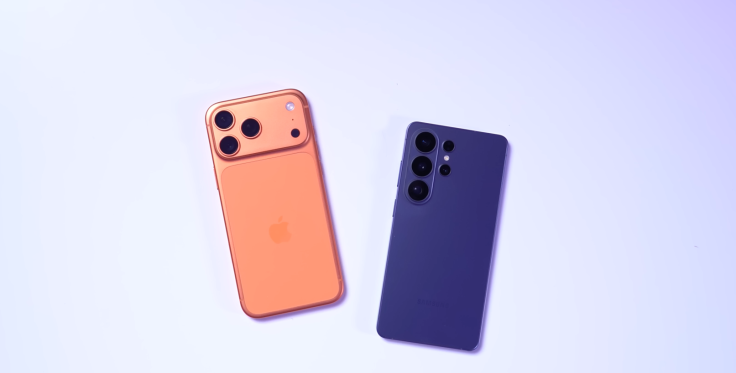
Selecting the right smartphone in 2026 requires weighing features, performance, and ecosystem fit. Samsung Galaxy S26 Plus vs iPhone 17 Pro Max represents a key choice for anyone deciding between Android flexibility and iOS integration. Samsung appeals to users who want customizable hardware, AI-driven features, and immersive displays, while Apple emphasizes long-term support, tight ecosystem integration, and consistent performance.
Beyond raw specifications, the choice also affects daily usability, software updates, and multimedia workflows. Both phones handle AI-assisted tasks, high-resolution video, and next-gen apps, but they approach these differently. Comparing Samsung Galaxy S26 Plus vs iPhone 17 Pro Max helps users understand the strengths, trade-offs, and real-world performance of each flagship, guiding buyers to the model that fits their lifestyle, professional needs, and tech preferences.
Samsung Galaxy S26 Plus vs iPhone 17 Pro Max: Display, Design, and Build
The display and design remain central in the Samsung Galaxy S26 Plus vs iPhone 17 Pro Max comparison.
- Samsung Galaxy S26 Plus Display: 6.7-inch QHD+ AMOLED, 120 Hz, HDR, Gorilla Glass Victus 2. Offers curved edges, slim bezels, and vibrant colors, perfect for gaming and media.
- iPhone 17 Pro Max Display: ProMotion OLED, adaptive 120 Hz, HDR, peak brightness ~3,000 nits. Known for color consistency, deep blacks, and superior outdoor visibility.
- Design: S26 Plus favors flexibility and immersive visuals; iPhone 17 Pro Max prioritizes precision, durability, and seamless integration with Apple accessories.
In practical use, the S26 Plus excels for streaming and gaming, while the iPhone screen suits photography, video editing, and users who value true-to-life color accuracy. Build quality is robust on both, with Apple emphasizing longevity and Samsung pushing innovation with edge curves and slim profiles.
Performance, Chipset, and AI Features in 2026
Performance and AI capabilities are a highlight in the Samsung Galaxy S26 vs iPhone 17 comparison.
- Samsung Galaxy S26 Plus: Exynos 2600 or Snapdragon 8 Elite Gen 5, 12 GB RAM, 256–512 GB storage. AI features include on-device translation, contextual photo editing, and enhanced multitasking.
- iPhone 17 Pro Max: A19 Pro chip, 6-core CPU, 6-core GPU, 16-core Neural Engine. Hardware-accelerated AI boosts camera processing, Siri, and system efficiency.
- Real-World Use: Samsung excels in raw benchmark scores and AI-driven tools; iPhone wins in sustained workloads, energy efficiency, and software optimization.
Both phones offer smooth gaming, multitasking, and app performance, but the Galaxy S26 Plus allows more customization and features, while the iPhone 17 Pro Max guarantees reliable long-term efficiency. AI-driven functionalities in each ecosystem improve photography, system predictions, and overall user convenience.
Camera, Battery, and Everyday Use in Samsung Galaxy S26 Plus vs iPhone 17 Pro Max
For many buyers, camera quality and battery life are decisive.
- Samsung Galaxy S26 Plus Camera: 50 MP main sensor, ultra-wide, telephoto, AI enhancements for night photography, video stabilization, and manual controls.
- iPhone 17 Pro Max Camera: 48 MP Pro Fusion system, sensor-shift stabilization, Cinematic mode, ProRes video, consistent natural colors.
- Battery & Charging: S26 Plus ~4,900 mAh, 45 W wired, fast wireless charging; iPhone 17 Pro Max 5,000+ mAh, MagSafe, Qi2 support.
In daily use, the S26 Plus may charge faster and offer more manual photography options, while the iPhone maintains more consistent video performance and long-term reliability. Both devices can handle heavy app use, streaming, and photography workloads without significant slowdowns, making the Samsung Galaxy S26 vs iPhone 17 debate largely a matter of ecosystem and personal preference.
Software and Ecosystem Differences
Choosing between Samsung and Apple goes beyond specs: software and ecosystem matter.
- Samsung Galaxy S26 Plus: Android 16 with One UI 6, extensive customization, wide app availability, integration with Windows and Google services.
- iPhone 17 Pro Max: iOS 20, seamless ecosystem with Mac, iPad, Apple Watch, and continuity features like AirDrop and Handoff.
- Updates & Support: iPhone offers 7+ years of updates; Samsung provides 5–6 years with major Android upgrades.
Users who value deep ecosystem integration, privacy, and long-term updates often prefer the iPhone 17 Pro Max. Samsung appeals to those seeking flexibility, hardware variety, and advanced AI tools for creative or productivity tasks.
Samsung Galaxy S26 Plus vs iPhone 17 Pro Max: Gaming and Multimedia
Gaming performance and media consumption are key in the 2026 flagship race.
- Samsung: 120 Hz AMOLED display, high refresh rate GPU, advanced cooling, game boosters, AI enhancements.
- iPhone: Optimized Metal API, smooth frame rates, ProMotion display, immersive audio, and long-term consistent performance.
Both devices handle high-end games and streaming in 4K or HDR. The choice comes down to whether you prioritize display customization and raw frame rates (Samsung) or efficiency and smooth, long-term consistency (Apple).
Final Verdict: Samsung Galaxy S26 Plus vs iPhone 17 Pro Max
In the Samsung Galaxy S26 Plus vs iPhone 17 Pro Max showdown, both devices offer top-tier hardware and software. Samsung leans toward flexibility, AI features, and customization, while Apple emphasizes polished software, long-term updates, and ecosystem cohesion.
For gamers, media enthusiasts, and Android fans, S26 Plus may feel more versatile; for creatives, professionals, and users invested in Apple devices, iPhone 17 Pro Max provides seamless integration and consistent performance. Understanding each device's strengths and limitations is key to making an informed choice in the 2026 flagship smartphone market.
Frequently Asked Questions
1. Which phone has the better display, Samsung Galaxy S26 Plus or iPhone 17 Pro Max?
The Samsung Galaxy S26 Plus offers a bright QHD+ AMOLED display with curved edges and 120 Hz refresh rate, ideal for media and gaming. The iPhone 17 Pro Max has an adaptive 120 Hz ProMotion OLED with high color accuracy and excellent outdoor visibility. In practical use, Samsung excels in punchy visuals and fluid motion, while Apple provides consistent color and long-term screen quality. Both displays are excellent, but your preference depends on whether you value flexibility or accuracy.
2. How do the cameras compare between the two phones?
The S26 Plus features a 50 MP main sensor with ultra-wide and telephoto lenses, plus AI enhancements for night shots and manual controls. The iPhone 17 Pro Max has a 48 MP Pro Fusion system with advanced computational photography, sensor-shift stabilization, and professional-grade video features. Samsung allows more customization and experimentation, while Apple emphasizes natural colors and consistent results. Both are excellent, but the choice depends on your workflow and shooting style.
3. Which phone offers longer battery life and faster charging?
The Galaxy S26 Plus has around 4,900 mAh with 45 W wired charging and fast wireless charging support. The iPhone 17 Pro Max has a slightly larger 5,000+ mAh battery with MagSafe and Qi2 wireless charging. Samsung charges faster, while Apple tends to maintain more consistent long-term battery performance. Daily usage depends on habits, but both provide enough power for intensive tasks and full-day use.
4. Is one phone better for gaming and performance?
The Samsung Galaxy S26 Plus delivers high refresh rate gaming, customizable GPU settings, and AI performance boosts. The iPhone 17 Pro Max is optimized for Metal API, maintaining smooth frame rates and thermal efficiency in long sessions. Raw benchmark scores may favor Samsung initially, but Apple maintains consistent performance over time. Gamers seeking flexibility may prefer Samsung, while those valuing smooth, reliable long-term play might favor the iPhone.
Originally published on Tech Times