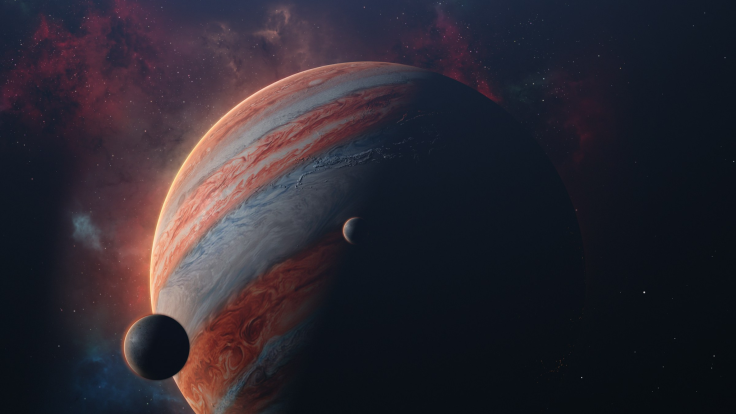
For decades, the frozen plains of Jupiter's moon, Europa, have served as the crown jewel of astrobiology. Beneath a fractured crust of ice, scientists have long believed a global ocean of salty liquid water — holding twice the volume of Earth's oceans — could be the most likely sanctuary for extraterrestrial life in our solar system. However, a new wave of scientific pessimism is threatening to pull the rug out from under those long-held dreams.
A startling study, led by planetary scientist Paul Byrne of Washington University in St. Louis and unveiled during a Jan. 6 press briefing, suggests that Europa might be 'dead' after all. By modelling the moon's size, rocky core and the immense gravitational tug of Jupiter, Byrne's team concluded that Europa's rocky seafloor may be mechanically too strong to allow for the tectonic fracturing and volcanic activity seen on Earth.