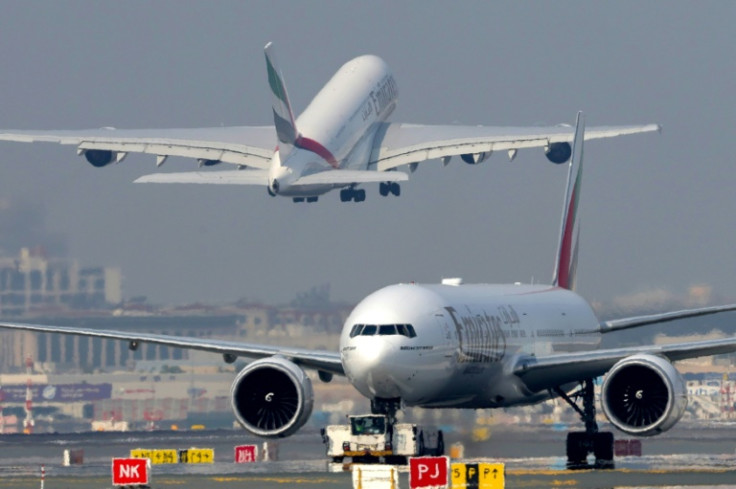
Dubai International Airport (DXB), the world's busiest hub for international passengers, remains partially operational as of March 4, 2026, with only a restricted number of flights permitted amid ongoing airspace closures and security concerns stemming from the escalating Middle East conflict involving U.S., Israeli and Iranian military actions.
Dubai Airports, the operator of DXB and the secondary Al Maktoum International Airport (DWC), confirmed that limited operations resumed on the evening of March 2 following a near-total suspension that began February 28. However, major carriers including flagship Emirates have extended the halt on all regular scheduled commercial flights to and from Dubai until 23:59 UAE time on March 4, prioritizing only select repatriation, cargo and repositioning services.

In its latest advisory on the official dubaiairports.ae website, Dubai Airports stated: "Limited airport operations have resumed with a small number of flights operating from DXB and DWC." The authority urged passengers not to proceed to either airport unless directly contacted by their airline with a confirmed departure time, emphasizing that schedules remain highly fluid and subject to change based on regional airspace availability.
Emirates, which accounts for the majority of DXB traffic, reinforced the message in travel updates: "All scheduled Emirates flights to and from Dubai remain suspended until 2359hrs UAE time on 4 March, due to airspace closures across the region." The airline noted it is operating a limited number of passenger repatriation and freighter flights on March 3 and 4, with priority given to earlier bookings. Flydubai and other carriers have aligned with similar restrictions.
The disruptions trace back to precautionary airspace measures implemented by the UAE General Civil Aviation Authority following retaliatory strikes and heightened tensions. Neighboring countries including Qatar, Bahrain, Kuwait and others imposed comparable closures, creating a broad no-fly corridor that severed typical flight paths. Flight-tracking platforms like Flightradar24 and FlightAware report over 12,300 cancellations across seven major Gulf airports from February 28 through March 3, with DXB among the most impacted. More than 80% of scheduled flights to and from Dubai have been axed in recent days, contributing to a regional total exceeding thousands of affected services and stranding tens of thousands of passengers globally.
Despite the constraints, some activity has returned. Limited departures and arrivals — often focused on repatriation efforts for stranded nationals — have operated since March 2 evening. Examples include select long-haul repatriation flights coordinated under strict safety protocols. However, routine commercial traffic remains heavily curtailed, with most international carriers rerouting or canceling connections through the Gulf.
The situation has ripple effects worldwide. Airlines such as Air France, KLM, Air Canada and United have suspended or adjusted services to Dubai and other regional points through early March or beyond. Governments and travel advisories urge caution, with many recommending against non-essential travel to the UAE until stability returns.
Dubai Airports continues close coordination with authorities to prioritize safety while facilitating essential movements. A prior update noted minor damage to a concourse at DXB from an earlier incident, quickly contained without broader operational impact. No major new incidents have been reported since the limited resumption.
Travelers planning to use Dubai International Airport should:
- Verify flight status directly via airline channels, the Emirates website or dubaiairports.ae flight information pages.
- Avoid traveling to the airport without explicit airline confirmation to prevent overcrowding and security bottlenecks.
- Monitor real-time tools like FlightAware or Flightradar24 for live updates on arrivals, departures and delays.
- Prepare for rebookings, refunds or alternative routing, as flexible waiver policies remain in effect from many carriers.
- Check government travel warnings, as evolving airspace rules could further restrict even limited operations.
Industry analysts describe the current phase as a "phased recovery" rather than full normalization, with potential for incremental increases in permitted flights if de-escalation progresses. Dubai's position as a global transit powerhouse — handling over 90 million passengers annually pre-crisis — makes its constrained status particularly disruptive to worldwide connectivity.
As the region navigates these challenges, DXB's partial functionality underscores efforts to maintain a lifeline for essential travel amid widespread closures elsewhere. Full resumption hinges on broader security developments, with authorities pledging ongoing updates.
For now, Dubai International Airport stands technically open but far from business as usual, processing only approved movements in a tightly controlled environment.
Originally published on ibtimes.com.au