
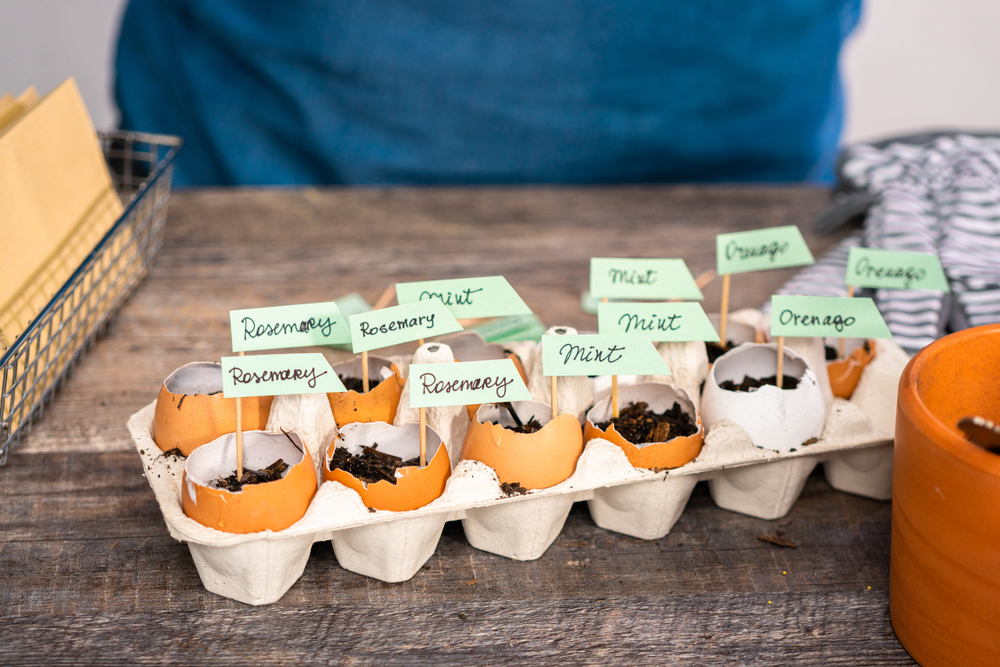
The thrill of holding a tiny seed between your fingers and imagining the towering tomatoes, fragrant basil, or vibrant marigolds it could become is unmatched. Gardening isn’t just planting; it’s a small adventure that begins in a pot or tray on your windowsill. But when spring rolls around and garden centers brim with lush starter plants, a question sprouts up: is starting your own seeds actually cheaper than buying ready-to-go plants?
At first glance, buying seems simple—grab a plant, pop it in the soil, and watch it grow. But under the surface, DIY seed starting offers both a potential cost-saving strategy and a joy-filled journey that can turn any green thumb into a full-blown seed evangelist.

Understanding The Costs Of Starter Plants
Starter plants at your local nursery or big-box store come with convenience baked in. You pay not only for the plant itself but also for the labor, packaging, and sometimes brand-name prestige. Depending on the plant, prices can range from $3 to $8 for common vegetables and up to $15 for specialty herbs or flowers. For someone planting a dozen tomatoes, peppers, and herbs, that cost multiplies quickly, sometimes reaching $100 or more before any seeds are even purchased. When stacked against seed packets costing just a few dollars each, the math starts to look intriguing.
Calculating The Expenses Of Seed Starting
Starting seeds at home does involve upfront costs, but they’re often one-time investments. Essential supplies include seed trays or pots, soil mix, labels, and ideally a grow light or sunny window. A packet of seeds, often containing 50 to 100 seeds, can cost as little as $2 to $5. When spread across multiple plantings, this makes each seed’s cost fractionally tiny—sometimes just pennies per plant. Even if you need to invest in a heat mat or small grow light, the long-term savings can outweigh buying mature plants every season.
Factoring In Success Rates And Losses
Of course, not every seed will sprout into a healthy plant. Germination rates vary by species, and environmental factors like temperature, light, and moisture play a huge role. Some gardeners experience near-perfect success, while others might see half their seeds fail. This unpredictability can affect the “cost per successful plant” calculation, sometimes making seed-starting more expensive if losses are high. However, experience, careful seed selection, and proper techniques often tip the scales back in favor of DIY seed starting over time.

Exploring Long-Term Value And Skills
The value of starting seeds extends far beyond immediate dollar savings. Gardening from seed teaches patience, observation, and problem-solving—skills that translate into better harvests year after year. Each season you invest in learning which seeds thrive in your space and how to handle seedlings, your success rate climbs. Over several seasons, this cumulative knowledge can significantly lower costs compared to continually buying starter plants. Plus, the joy of nurturing a plant from seed adds a priceless layer to your gardening experience.
Considering Rare Or Specialty Varieties
One of the hidden perks of starting seeds is access to rare or specialty plant varieties. Garden centers may offer only a handful of common options, limiting your choices to tomatoes, peppers, and lettuce types they can reliably sell. Seed catalogs, on the other hand, boast hundreds of heirloom vegetables, exotic herbs, and unusual flowers. Seeds for these varieties are often affordable, and growing them yourself avoids premium nursery pricing. For gardeners seeking uniqueness and flavor, DIY seed starting can be both cost-effective and creatively satisfying.
Comparing Convenience Versus Control
Starter plants are undeniably convenient—you can transplant immediately and skip the delicate early stages. DIY seed starting, however, offers unmatched control over soil, nutrients, and growing conditions. Control can mean healthier, hardier plants that are better adapted to your garden environment. For gardeners who enjoy experimenting with techniques, soil mixes, or even organic options, starting from seed allows for custom approaches that commercial plants can’t match. The trade-off is time and effort, but for many, that’s part of the gardening thrill.
Evaluating Environmental And Sustainability Factors
Starting seeds at home also carries eco-friendly benefits. Commercial starter plants often come in single-use plastic pots, peat pellets, and packaging that add up in landfills. Seed packets, on the other hand, create minimal waste, and reusable trays or pots further reduce environmental impact. Moreover, growing your own seedlings can lower the carbon footprint associated with shipping plants from nurseries. For gardeners concerned about sustainability, these factors add intangible “value” to seed-starting beyond simple economics.
Tips To Maximize Seed Starting Savings
To get the most bang for your seed-starting buck, choose seeds with high germination rates and consider sowing multiple seeds per cell to compensate for potential losses. Reuse trays and pots from season to season, and start with easy-to-grow varieties like lettuce, radishes, or herbs to build confidence. DIY soil mixes can be cheaper than pre-packaged options and customized to your plants’ needs. Keeping a log of what works each season also improves efficiency and success rates. Small adjustments like these quickly turn seed-starting into a highly cost-effective venture.
Weighing Time Investment Against Cost
Time is an often-overlooked factor in this cost equation. Buying starter plants is fast and convenient, while starting seeds requires daily care, monitoring, and patience. However, many gardeners find this time spent rewarding, turning seed-starting into a ritual rather than a chore. Each hour invested is a learning opportunity, and the payoff can be hundreds of dollars saved over multiple seasons. Ultimately, the decision comes down to whether you value immediate convenience or long-term savings and satisfaction.
Making The Decision That Fits Your Garden
So, is DIY seed starting cheaper than buying starter plants? The answer depends on scale, ambition, and gardening goals. For small gardens with just a few plants, buying starters may be simplest. For larger plots, or gardeners seeking rare varieties, long-term skill development, and eco-conscious practices, seed starting almost always wins in cost-effectiveness. The beauty of gardening is that there’s room for both approaches—you can mix and match methods to suit your style and budget.
Seed-Starting Adventure Awaits
Starting seeds at home can be both an exciting journey and a smart financial choice. It requires patience, attention, and a willingness to experiment, but the rewards—a thriving garden, unique plant varieties, and potentially significant savings—can be immense. Whether you’re a beginner or a seasoned gardener, weighing convenience, cost, and personal satisfaction helps guide the best approach.
Give seed starting a try, track your results, and let your garden grow in ways that pre-grown starter plants can’t match. We’d love to hear your experiences, strategies, or tips in the comments section below.
You May Also Like…
Is Starting Seeds Indoors in Winter Really Worth the Cost?
The Smart Way to Store Garden Seeds During the Holidays
12 Holiday Seed Swap Ideas for Garden Communities
How Late-Season Seeds Can Give You a Head Start for Spring
Why Seedlings Fail in Late Plantings
The post Is DIY Seed Starting Cheaper Than Buying Starter Plants? appeared first on Frugal Gardening.







