
Get all your news in one place.
100’s of premium titles.
One app.
Start reading
Grocery Coupon Guide
Catherine Reed

Is Buying Organic Actually Worth It?

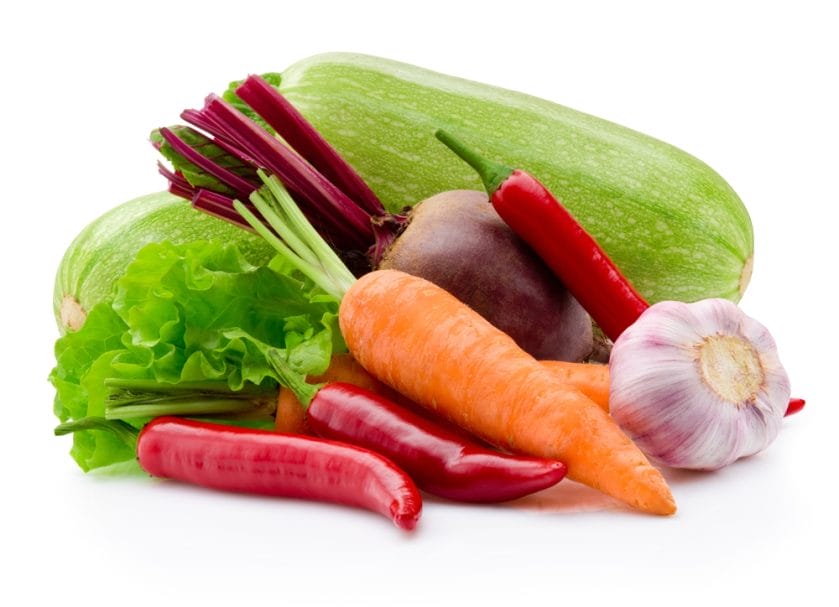
Image source: shutterstock.com

Grocery bills don’t leave much room for guesswork, so it’s normal to wonder whether the organic label is doing anything for a household budget. One cart can jump by $20 just from switching a few staples, and nobody wants to pay extra for vibes. At the same time, plenty of shoppers say they notice differences in taste, texture, or peace of mind. The truth is that buying organic isn’t an all-or-nothing decision, and it shouldn’t be treated like a moral test at the produce wall. With a few simple rules, families can spend on organic where it matters most to them and save hard everywhere else.

What the Organic Label Actually Guarantees

Organic standards focus on how food is grown and handled, not on making it automatically “healthier” in every way. The label generally means farms follow specific rules about synthetic pesticides and fertilizers, and animals have certain living-condition requirements. That can matter if a family is trying to reduce exposure to certain inputs, even though no food is completely “chemical-free.” Organic also doesn’t guarantee better nutrition, perfect taste, or longer freshness, so expectations should stay realistic. Buying organic works best when it supports a clear goal instead of vague pressure.

Why Organic Often Costs More at the Store

Organic farming can require more labor and different pest-control methods, which can raise costs before food ever hits a shelf. Supply chains can be smaller, and smaller runs usually mean higher per-unit prices. Stores also price based on demand, and shoppers often treat organic as a premium category, so retailers keep margins healthy. Packaging, certifications, and separate handling can add extra costs that don’t show up in the item itself. If buying organic is stressing the budget, the problem may be the store’s pricing strategy as much as the product.

When Buying Organic Makes the Most Sense

Some households prioritize organic for foods kids eat daily, because small differences feel more meaningful when the item shows up nonstop. Others focus on items eaten raw, where washing helps but doesn’t fully remove what was used on the crop. Dairy and meat can be another priority for families who care about production standards and animal treatment, even if they buy them less often. People also choose organic for taste, like when berries or greens seem consistently better in their area. The “worth it” moment usually happens when one category gets upgraded on purpose, not when everything gets upgraded by accident.

Where Conventional Can Be a Smart, Low-Stress Choice

Frozen fruits and vegetables often deliver great value because they’re picked at peak ripeness and stored quickly. Thick-peel produce like bananas and oranges can feel like an easy place to save if the household is peeling before eating. Pantry basics such as rice, pasta, beans, and oats are also good candidates for store brands, because the biggest savings often come from buying simple items consistently. If a family wants to keep buying organic in a few categories, choosing conventional elsewhere prevents budget whiplash. The goal is a cart that works week after week, not a cart that only works on payday.

A Simple “Upgrade List” for Your Real-Life Budget

Start by picking two categories that matter most to the household, then treat those as the default organic choices for a month. Keep the list small on purpose, because consistency beats a random splurge that doesn’t repeat. When a favorite organic item is too pricey, switch to it only when it’s on sale, and use conventional the rest of the time without guilt. Track which upgrades actually change the experience at home, like better lunches, less waste, or foods kids eat more willingly. Buying organic becomes easier when it behaves like a planned subscription instead of an impulse.

How to Save Money When Organic Is a Priority

Compare unit prices, because bigger packs can make organic affordable when the household will actually use it before it spoils. Shop seasonally, since out-of-season organic produce can spike hard and still disappoint in flavor. Use store loyalty deals and digital coupons, because many retailers now discount organic lines like any other category. Consider mixing organic and conventional within one meal, such as organic spinach with conventional pasta, so the plate still feels balanced. If buying organic is a top goal, savings often come from better planning, not from buying “perfect” products.

A Practical Rule for Making the Call Every Trip

Decide before the store whether the week needs savings, convenience, or a few high-priority upgrades, because the aisle will tempt every version of “worth it.” Use a two-question filter: “Will we notice the difference?” and “Will we use it all?” If the answer is no to either one, skip the upgrade and protect the rest of the budget. If the answer is yes, buy it confidently and cut costs somewhere that won’t affect the household’s routine. Buying organic becomes less stressful when it’s a choice you can explain in one sentence.

When you shop, which food feels most worth the extra cost—and which organic item never seems to earn its price?

What to Read Next…

The Shocking Markup on Your Favorite “Organic” Items

Why “All Natural” Labels May Be Covering More Than They Admit

The Hidden Cost of “Organic” When You’re Trying to Stretch Your Grocery Budget

7 Foods Being Investigated for Misleading “Natural” Claims

8 “Organic” Foods That Were Found to Contain Pesticides

The post Is Buying Organic Actually Worth It? appeared first on Grocery Coupon Guide.

Sign up to read this article
Read news from 100’s of titles, curated specifically for you.
Already a member? Sign in here
Related Stories
Top stories on inkl right now
One subscription that gives you access to news from hundreds of sites
Already a member? Sign in here
Our Picks
Fourteen days free
Download the app
One app. One membership.
100+ trusted global sources.