
Seventy dollars can sound like a lot for a phone case. After all, cheaper cases can cover an iPhone's back and edges for a fraction of that price.
Premium cases are a different part of the market. Higher prices can reflect the material, construction, thinner design, magnetic hardware, and extras included with the purchase. Spending more does not automatically get you a better case, though. You still need to look at what you’re getting for the money.
That’s especially true when shopping for an iPhone 18 Pro Max case. If you’re considering something around the $70 mark, these six points can help you decide whether the premium is worthwhile.
1. Start with what the case is made from
Material is a good place to start when comparing a $70 case with a much cheaper one. Plastic, TPU, and silicone are common because they can provide practical everyday protection at more affordable prices. Premium cases may use less common materials or more complicated construction to offer a different feel, weight, or appearance.
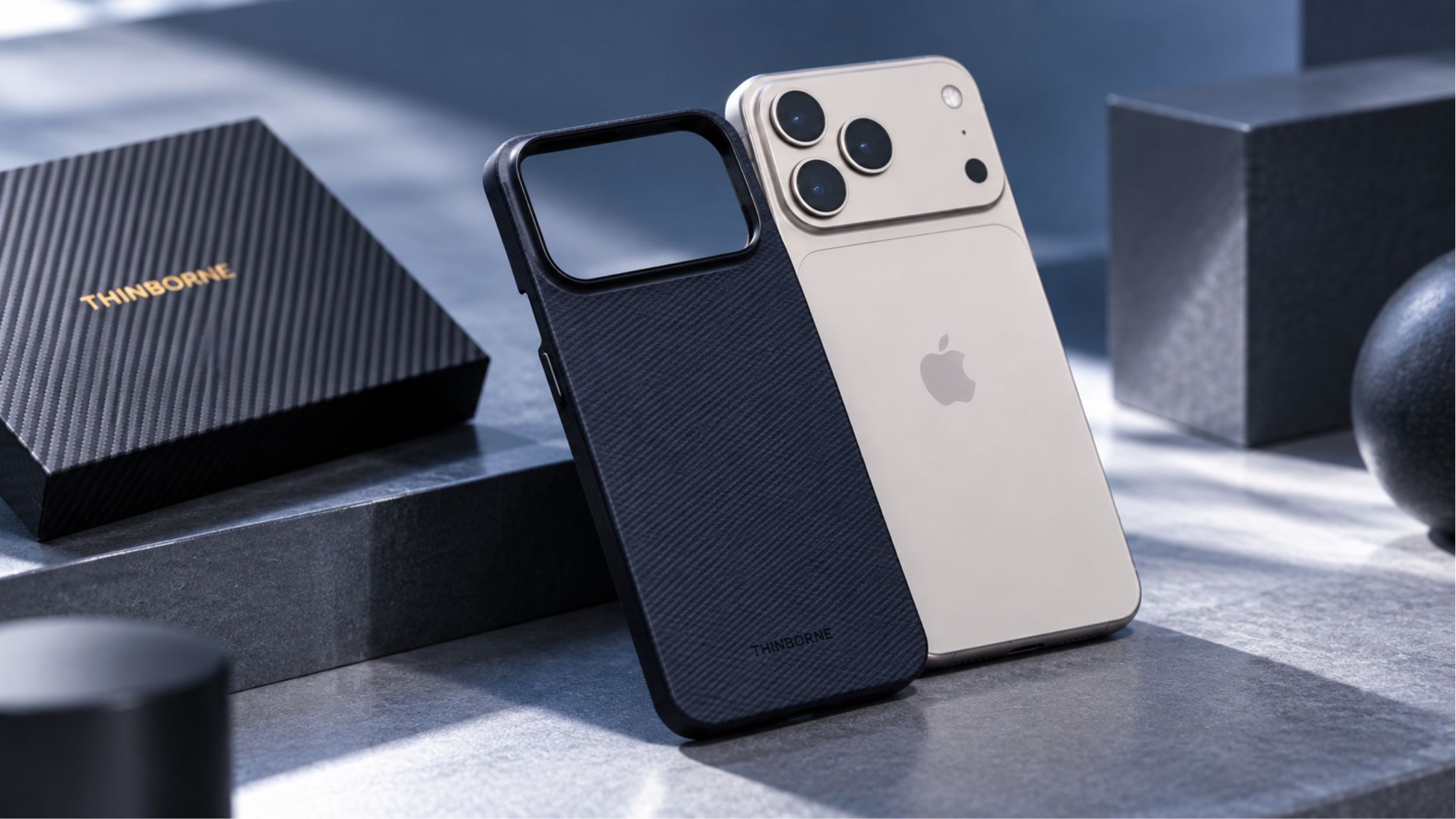
ThinBorne takes the latter approach. Its $69.69 iPhone 18 Pro Max case is made from 600D aramid fiber, a lightweight synthetic fiber also used in applications where strength and low weight are desirable.
The material is central to the design rather than an aesthetic layer added to an ordinary plastic case. Its fine woven texture also gives the case a different look and feel from basic silicone or clear plastic.
That distinction is important when deciding whether to spend $70. If you only want something to cover the phone and protect it from scratches, you do not necessarily need a premium material. If material, texture, weight, and construction are part of what you want from the case, paying more becomes a different proposition.
2. Check how much thickness and weight you are adding
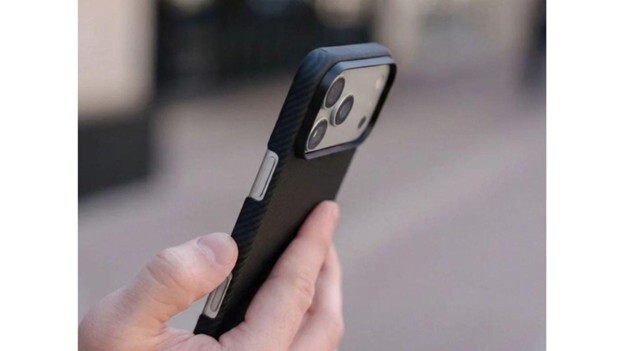
Image credit: ThinBorne
More money does not necessarily mean more material. A premium case can go in the opposite direction by using more specialized materials and construction to reduce bulk. This is worth checking if you bought a large phone and don't want it to feel even bigger in your hand or pocket.
ThinBorne's iPhone 18 Pro Max case is 0.90 mm (about 0.04 in) thick and weighs 22 g (about 0.8 oz). Its minimalist construction is designed to stay close to the shape of the phone rather than turn it into a rugged device.
However, there is a trade-off to all this. An ultra-thin case is not designed to provide the same level of drop protection as a thick case with reinforced corners and substantial cushioning. ThinBorne itself positions the case for everyday protection rather than heavy impacts.
For careful phone users, that may be exactly the balance they want. Frequent droppers or people who use their phones in demanding environments have a stronger reason to accept additional bulk for more protection.
Thickness becomes even more noticeable with foldable devices. Someone shopping for an iPhone Duo case, for example, may put even greater emphasis on minimizing added material because the phone already becomes thicker when folded.
3. Look beyond the MagSafe label
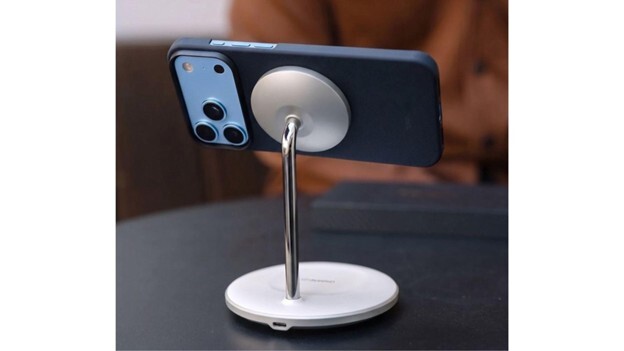
Image credit: Thinborne
MagSafe support has become common among premium iPhone cases, so it’s reasonable to expect it when spending around $70.
A case can weaken the magnetic connection, so built-in case magnets are still useful even though the iPhone already has its own magnets. It helps maintain the connection and alignment when attaching chargers, wallets, stands, grips, and other MagSafe accessories.
ThinBorne includes built-in magnets in its iPhone 18 Pro Max case for this reason.
This is particularly useful if MagSafe accessories are already part of your daily setup. A buyer who regularly switches between a charger, wallet, and magnetic stand will get more practical value from this feature than someone who never uses magnetic accessories.
At this price, however, basic compatibility should not be the end of your research. Check whether the design works with the accessories you intend to use.
4. Decide what kind of protection you actually need
Protection is not as simple as choosing the thickest case available. A rugged case can be the better choice for someone who drops a phone regularly, works outdoors, or needs stronger impact protection. However, that doesn’t mean that every iPhone 18 Pro Max owner needs the same setup.
A thin phone case focuses on a different type of use. ThinBorne's design covers the back and sides while adding grip and a raised area around the camera. The aramid fiber shell is intended to handle everyday scratches and minor impacts without adding the bulk associated with heavy-duty protection.
This is where being realistic about your habits helps. If your phone regularly hits the floor, an ultra-thin case is unlikely to be the best place to prioritize minimalism. But if you’re generally careful and mainly want protection from everyday wear, scratches, and small bumps, a thick rugged case may offer more protection than you need.
5. Check what else comes in the box
The price doesn’t always tell the whole story. For example, ThinBorne includes a tempered glass screen protector with its $69.69 case. A separately purchased screen protector can add another expense to a new-phone setup, with some tempered glass options costing around $20.
It also offers a convenience benefit. Buying a protector and case separately means checking that the two fit together properly around the edges. Having one supplied with the case removes another accessory from the shopping list.
That does not suddenly make a $70 case cheap. It does change what you’re getting for the money.
When comparing cases at similar prices, check whether you’re buying only the shell or getting useful extras with it. A free accessory has little value if you would never use it, but a screen protector is something many buyers would purchase anyway.
6. Read the return and warranty policies
A phone case can look perfect on a product page and feel completely different once it is on your phone. You may not like the texture, the fit may not feel right, or your favorite magnetic accessory may not behave as expected. With a premium case, the ability to change your mind is an added perk.
ThinBorne offers a 30-day return policy along with a 180-day warranty covering manufacturing defects. Those policies are particularly useful when buying online because fit, grip, and overall feel are difficult to judge from photos.
So, before buying any $70 case, check the actual terms rather than assuming a premium price automatically comes with premium support.
So, is a $70 iPhone 18 Pro Max case worth it?
It can be, but spending $70 should get you something you actually value. ThinBorne's $69.69 iPhone 18 Pro Max case puts much of that price into 600D aramid fiber and an ultra-thin 0.90 mm design. It also includes built-in MagSafe support, a tempered glass screen protector, a 30-day return window, and a six-month warranty.
That combination targets a specific buyer. It suits someone who wants to keep an expensive phone slim, prefers premium materials, uses MagSafe accessories, and is comfortable with everyday rather than heavy-duty protection.
It’s less suited to frequent droppers or anyone who would happily carry a thicker case for stronger impact protection. Those buyers may get more from spending their $70 on a rugged design instead.
The goal is not to spend $70 simply because the phone itself is expensive. Look closely enough at the material, design, protection, accessories, and support to see where that $70 actually goes.














