The Irish government has survived a vote of confidence over its handling of recent fuel protests in the country.
The motion was triggered by the main opposition party, Sinn Fein, which criticised the coalition over its handling of the situation.

However, 92 Teachtaí Dála (TDs) voted in support of the motion of confidence in the government, with 78 voting against.
Michael Healy-Rae notably voted against the government, having tendered his resignation as a minister of state shortly before the ballot.
The Irish government had been accused of “arrogance” over the way it handled fuel protests during a debate on confidence in the coalition, with Mr Healy-Rae saying the Irish premier should have listened to protesters.
Sinn Fein leader Mary Lou McDonald called the government’s response to fuel protesters “brazen” and said it was “time for an election”.
Irish premier Micheál Martin said it was “dishonest” for the opposition to suggest “there are no hard choices” on rising fuel costs.

Ministers also criticised politicians who backed the blockading of critical infrastructure last week by protesters and insisted work to help people with rising fuel costs was underway before the protests began.
The government announced a €505m (£439m) package of support on Sunday to respond to rising fuel prices caused by the war in Iran, but the political fallout from the protests continued as the Dail returned from the Easter break on Tuesday.
The focus had been on how Kerry TD Danny Healy-Rae would vote after his brother’s earlier resignation. He also voted against the motion and left the coalition.
Speaking in the Dail on Tuesday, Mr Martin said it was “manifestly untrue” to suggest the government had done nothing to help people amid rising fuel prices, and that the coalition government had taken significant action that went “beyond anything being done elsewhere”.
Mr Martin said it would be “dishonest” for the opposition to suggest “there are no hard choices to be made”.
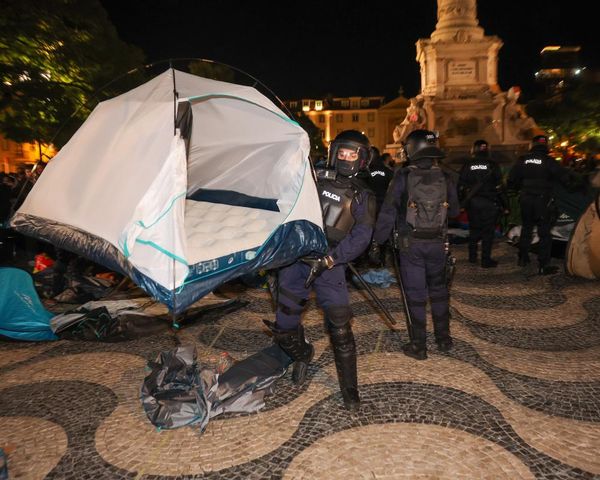
He criticised the “destructive” blockade of critical national infrastructure last week, which he said “went far beyond” past protests.

“Everybody has a right to protest, but nobody has a right to appoint themselves as the voice of the people and to threaten the jobs and livelihoods of many thousands of families,” Mr Martin said.
“Nobody has the right to prevent people from getting to cancer treatment, to be visited by their carer, to distribute vital supplies – the House needs to face up to the fact that these actions were very directly threatening the basic fuel supplies of the country.”
Mr Martin also said he condemned “the sinister targeting” of gardai and oil lorry drivers, and threats against politicians.
“Parliamentary democracy is something we should all affirm and defend. The great majority of people who have protested have done so reasonably and democratically.
“We all saw that this was not the case for some other elements – and everyone here should understand you can’t share platforms with them, express your support for them, call them the voice of the people, and then deny your responsibility for legitimising them.”
Irish deputy premier and finance minister Simon Harris said the Sinn Fein motion of no confidence was a “stunt” and if it succeeded, the financial measures announced by government at the weekend would “fall away” without parliamentary approval.
Mr Harris said Sinn Fein had “decided on the motion before they ever saw the details of the government’s package of supports”, and that it was “far more comprehensive and strategically responsive than anything they have proposed”.
Government wins confidence motion but loses junior minister
Healy-Rae says he has ‘grave reservations’ about Taoiseach after resigning
Opposition rounds on Government ‘arrogance’ over protests as minister resigns
Junior minister resigns over Government handling of fuel protests
Kremlin declares Putin was ‘never friends with Orban’ after historic election defeat