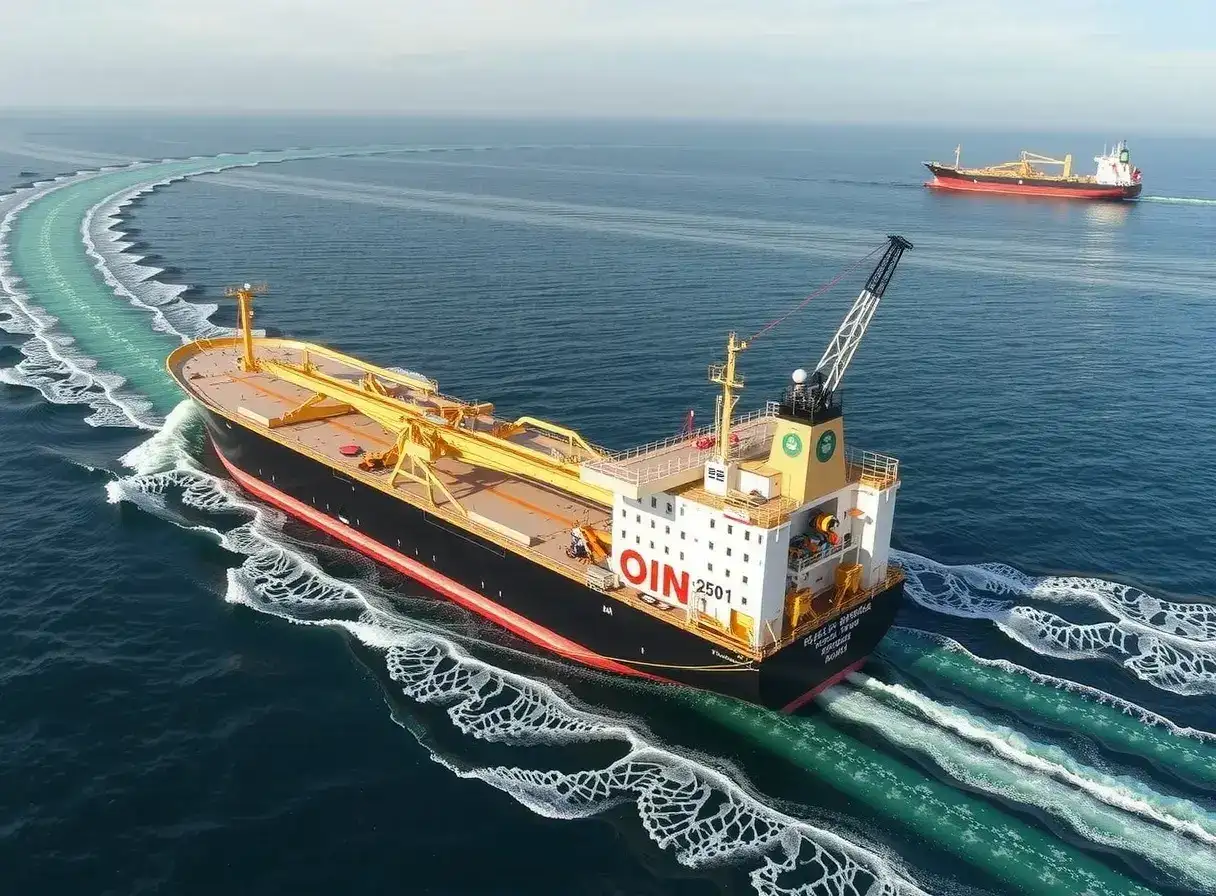
Iran's oil stockpile at sea is growing as the country struggles to find buyers ahead of the expiry of a 60-day window set by Washington, Bloomberg reported.
More than 58 million barrels of Iranian crude and condensate were on the water as of July 1, according to data from Vortexa cited by Bloomberg. Over 90% of this had no clear destination, with vessels signalling "for orders" status or Singapore as their next port of call, indicating possible ship-to-ship transfers in the Malacca Strait.

Also read: Oil falls after US, Iran talks conclude in Doha
A failure to sell the crude quickly would cost Tehran much-needed revenue and could weaken its position in talks with Washington, the report said. Iran has until mid-August to find buyers after the US lifted sanctions on the oil in mid-June and ended a blockade of Iranian ports as part of an interim peace deal.
Demand from Chinese independent refiners, Iran's main customers before the conflict, has stayed weak as the sector's run rates fall to a nine-year low. China's state refiners have also held back, citing concerns over whether banks can finance such deals.
Most of the oil is currently positioned in and around the Persian Gulf, the Indian Ocean and the Malacca Strait near Singapore.
Iran said on Wednesday that it had shipped more than 40 million barrels of oil since the US lifted its naval blockade. However, more than 20 million barrels of Iranian crude have been idling in Asian waters for seven days or longer, up nearly 18% from a week earlier, Kpler Ltd data showed.
Tehran faces several hurdles in selling the oil. EU and UK restrictions remain in place, complicating insurance arrangements, while some ports may be reluctant to accept the "dark fleet" vessels Iran typically uses. There is also a risk that cargoes could get stranded mid-deal if President Donald Trump decides to end the sanctions waiver early.
Buyers remain cautious that Washington could reimpose sanctions if negotiations collapse, US Treasury Secretary Scott Bessent told Fox News on Tuesday. He said China remains the only buyer of Iranian oil so far, since it was already purchasing the crude even when it was under sanctions, and that the oil continues to trade at a discount as a result.
The other major obstacle is a lack of demand in key Asian markets, despite Tehran's efforts to court buyers in the region. Asia remains well supplied, both with non-Iranian Gulf oil that can now transit the Strait of Hormuz and with crude bought during the war from other sources.
China's imports of Iranian crude more than halved in June, falling to about 654,000 barrels a day from the previous month, according to Kpler. Still, at least one tanker discharged a cargo of Iranian oil in China over the past week, Kpler and Vortexa data showed.
Indian Oil Minister Hardeep Puri met his Iranian counterpart in New Delhi last week but did not commit to resuming imports. India's state-run refiners are currently avoiding Iranian oil, as they have already secured crude supplies through at least the end of August, people familiar with the matter told Bloomberg. They are also awaiting clarity from Washington on payments denominated in US dollars, the people said.
Also read: India plans to cut reliance on Middle East oil, tap spot market after war shock
India would consider resuming Iranian oil purchases once payment channels are clarified, while a complete lifting of sanctions could open the door to longer-term imports, according to the people.
Bloomberg noted that Asian interest in Iranian oil could pick up quickly if the price is attractive enough. Refiners that have already locked in supplies could resell some volumes to make room for heavily discounted Iranian cargoes, while cheaper raw material costs could also prompt some processors to raise operating rates.