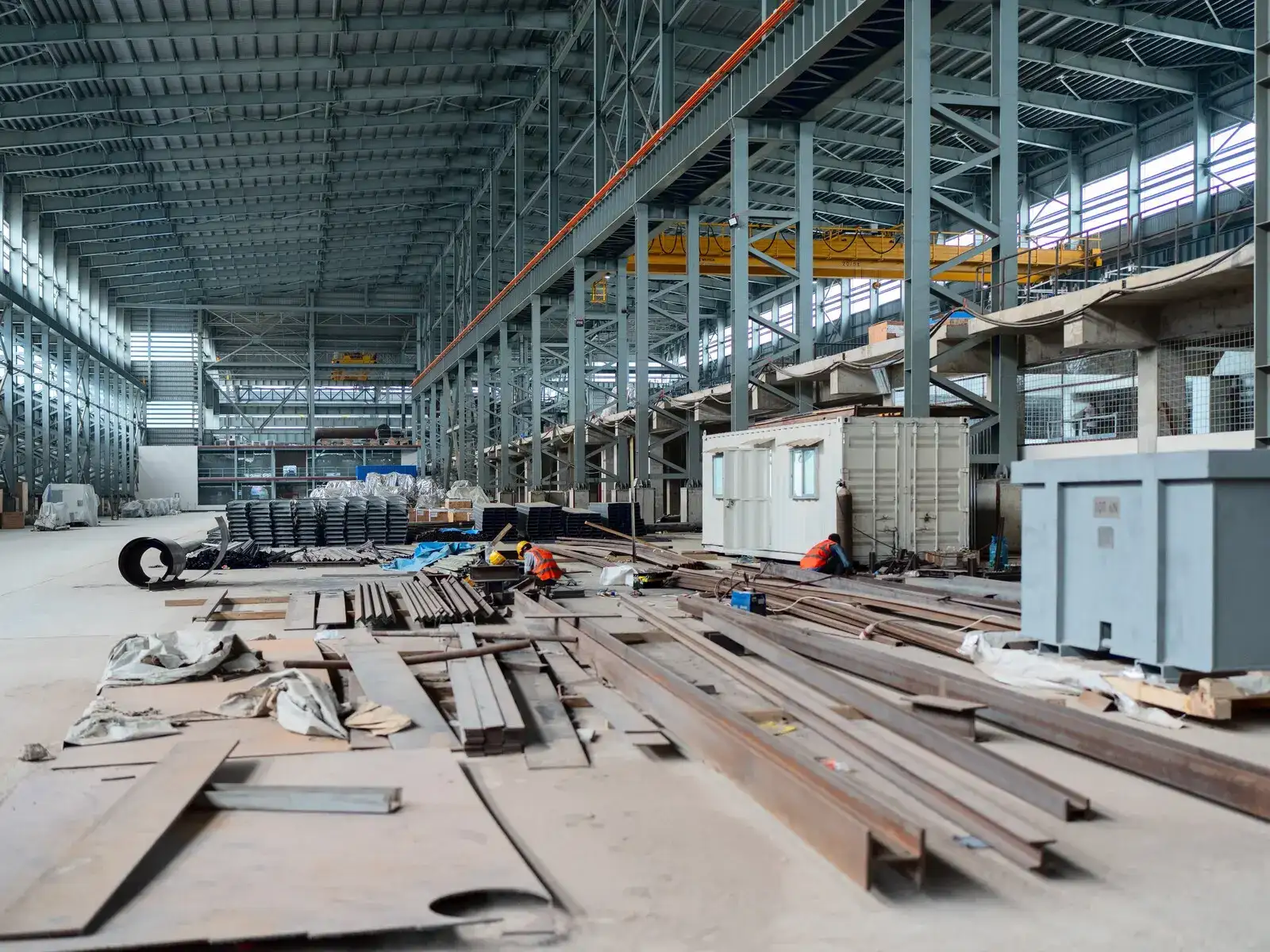
Inside a new Bangladeshi glass factory with a production floor nearly twice the size of a soccer field, machinery sits wrapped in tarpaulins. At a neighboring steel mill, construction has slowed and production has yet to begin.
The facilities, at a sprawling complex near Dhaka, were supposed to symbolize Bangladesh’s economic boom and shift to heavy industry, all built on plentiful liquefied natural gas. Instead, they’ve become a stark illustration of how a shortage of energy is threatening the country’s growth, just as a new democratically elected government led by Prime Minister Tarique Rahman tries to turn the country’s fortunes around.