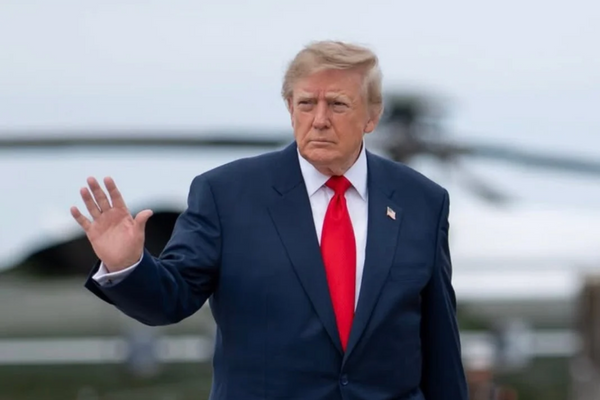
Addressing a press briefing on Wednesday, Hegseth stated that the operation had “decimated Iran’s military” and rendered it “combat-ineffective for years to come.” He described the campaign as a “historic and overwhelming victory,” crediting former President Donald Trump for shaping the outcome.
“President Trump forged this moment. Iran begged for this ceasefire, and we all know it,” Hegseth said, emphasizing that the 38-day military campaign had achieved its strategic objectives.

The Pentagon chief also issued a stern warning regarding Iran’s stockpile of highly enriched uranium, indicating that the United States is prepared to take decisive action to secure it if necessary. “We’re watching it. We know what they have, and they will give it up—we’ll get it, we’ll take it,” he said, adding that Washington is prepared to act “by any means necessary.”
Hegseth further suggested that additional military operations remain an option, referencing past actions and signaling that the US would not hesitate to intervene again if its demands are unmet.
The remarks reflect a continued hardline stance from Washington, even as Trump—who had earlier issued strong threats against Iran—announced a ceasefire, calling it a “total and complete victory.”
However, Iran has presented a sharply different account of events. Officials in Tehran, under the leadership of Mojtaba Khamenei, have also claimed victory, arguing that the United States ultimately accepted a 10-point proposal put forward by the Islamic Republic. According to Iranian authorities, this outcome represents both a military and diplomatic success.
The conflicting narratives underscore ongoing tensions between the two nations, despite the ceasefire, and suggest that the broader geopolitical dispute remains far from resolved.