
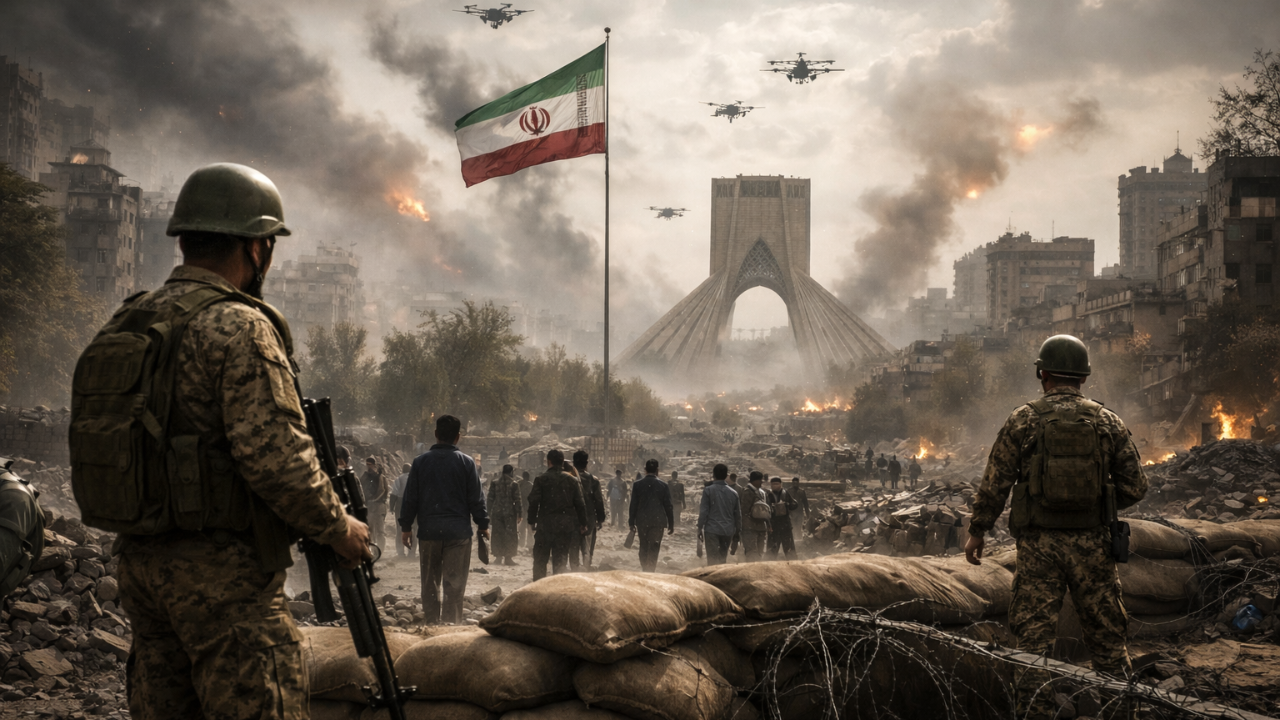
For weeks, the US–Israel war with Iran was measured in strikes, targets, and retaliation across multiple fronts. Now, under a fragile two‑week ceasefire brokered by Pakistan and announced on April 7, the metric has shifted. The immediate focus is no longer just on battlefield damage, but on whether the conflict has brought bigger fundamental changes and whether the ceasefire can hold.
The truce brought a temporary halt to large‑scale US and Israeli strikes on Iran and opened a narrow diplomatic window. However, reports of renewed missile alerts and attacks across the Gulf almost immediately cast doubt on its durability. In broad terms, the emerging picture is mixed and unresolved: Tehran has absorbed significant military pressure, key strategic leverage remains in play, and the political and military apparatus continues to function despite high‑profile casualties. At the same time, the conflict has exacted heavy costs on economies, civilians, and the wider Middle East security environment.














