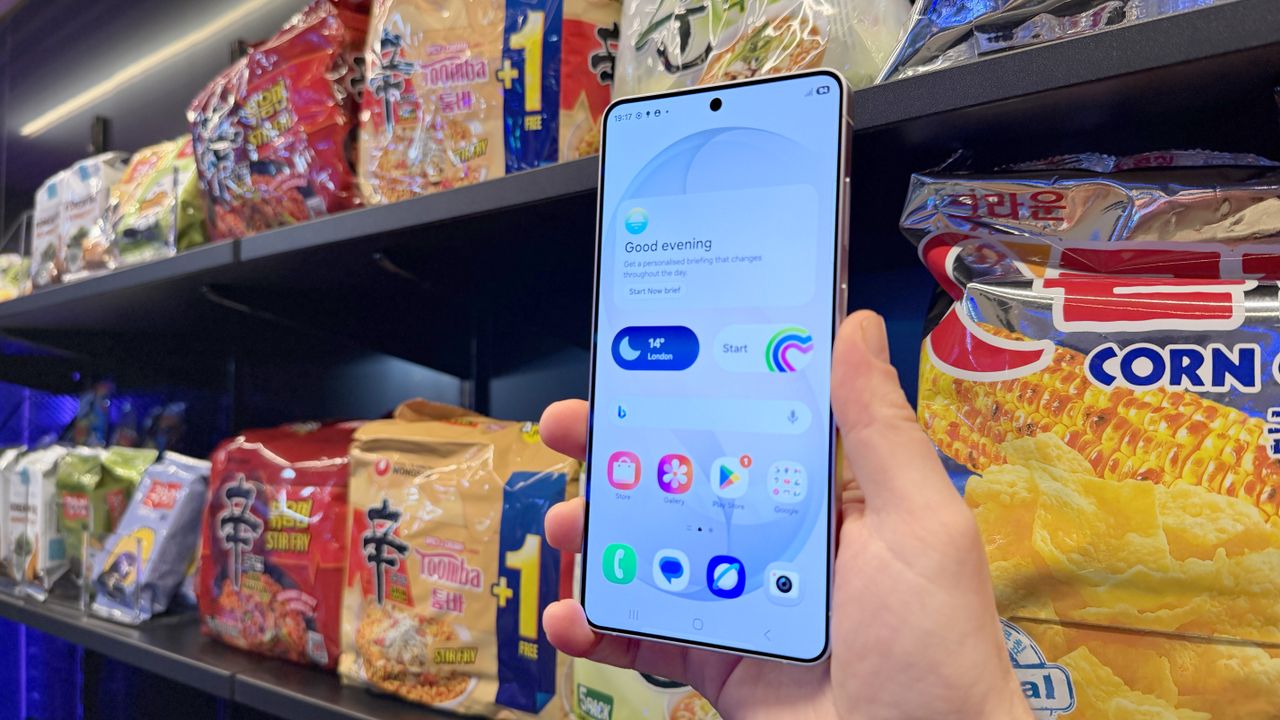
The latest flagship phone from Samsung for 2026 has been announced, and it looks fantastic. Even if you’re not a Samsung user, or indeed an Android phone user, it's impossible not to appreciate how impressive this new handset is.
With its 6.9-inch QHD+ display, Snapdragon 8 Elite Gen 5 GPU and quad-camera rear array, including both a 200MP main camera and a 10x zoom, the Galaxy S26 Ultra is one of the best phones on the market. But there’s one new feature that really stood out for me this year, and it’s one that I’m sure will be copied in time.
Phones have become a tribal purchase these days. Much like you are either a PC or a Mac user, you fall into either an Android or an iOS camp, and rarely do users breach the trenches and swap sides. Unless, of course, there’s a killer feature.
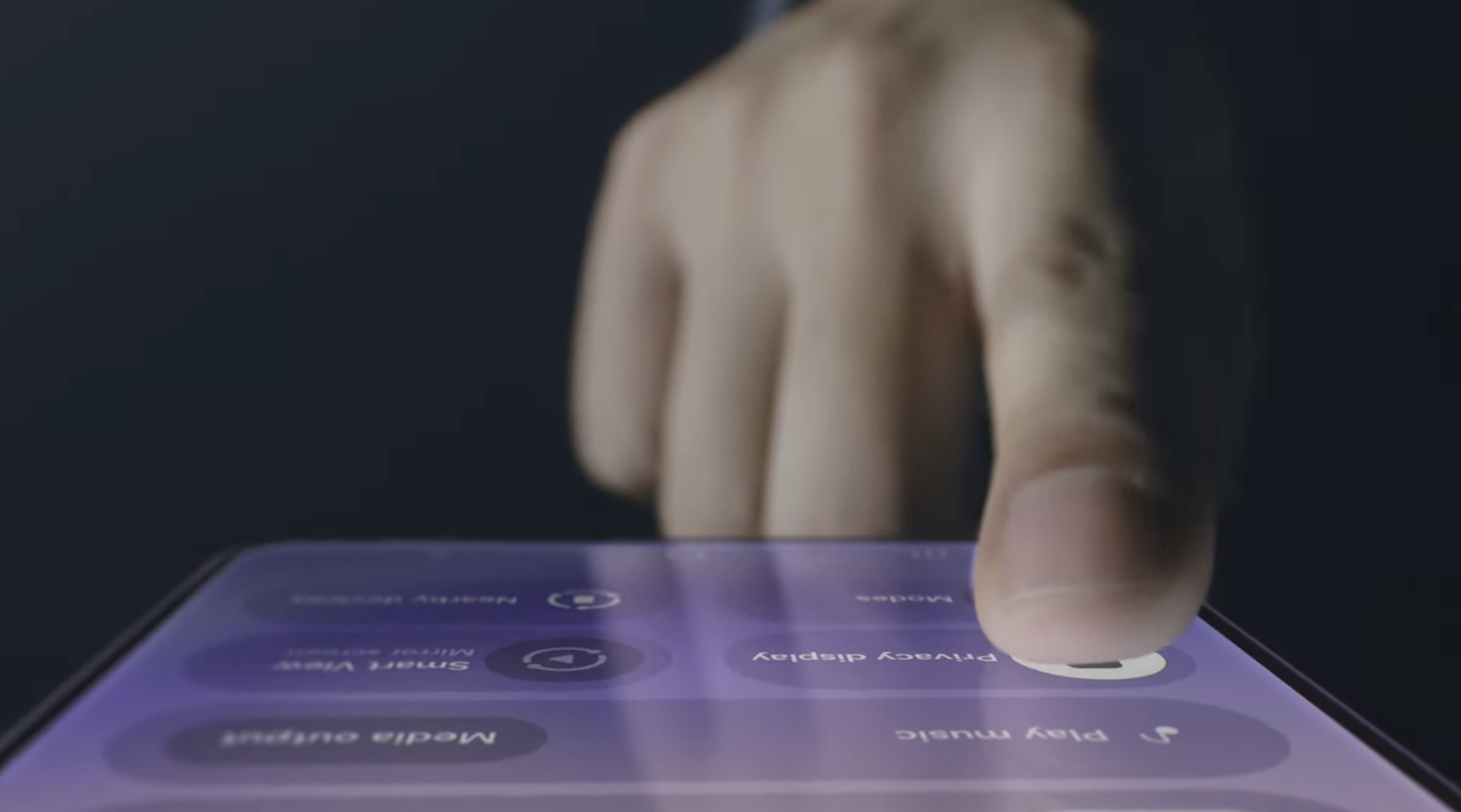
The addition of a built-in privacy screen in the S26 at first sounded fairly simple, until Samsung explained how the function works. Half of the pixels have a more focused beam, directed squarely at the user, while the other half have a more standard wide beam, which gives the display a wide field of view. When the privacy mode is engaged, only the focused pixels are displayed, making the screen only visible straight on to the user and not to anyone looking over your shoulder.
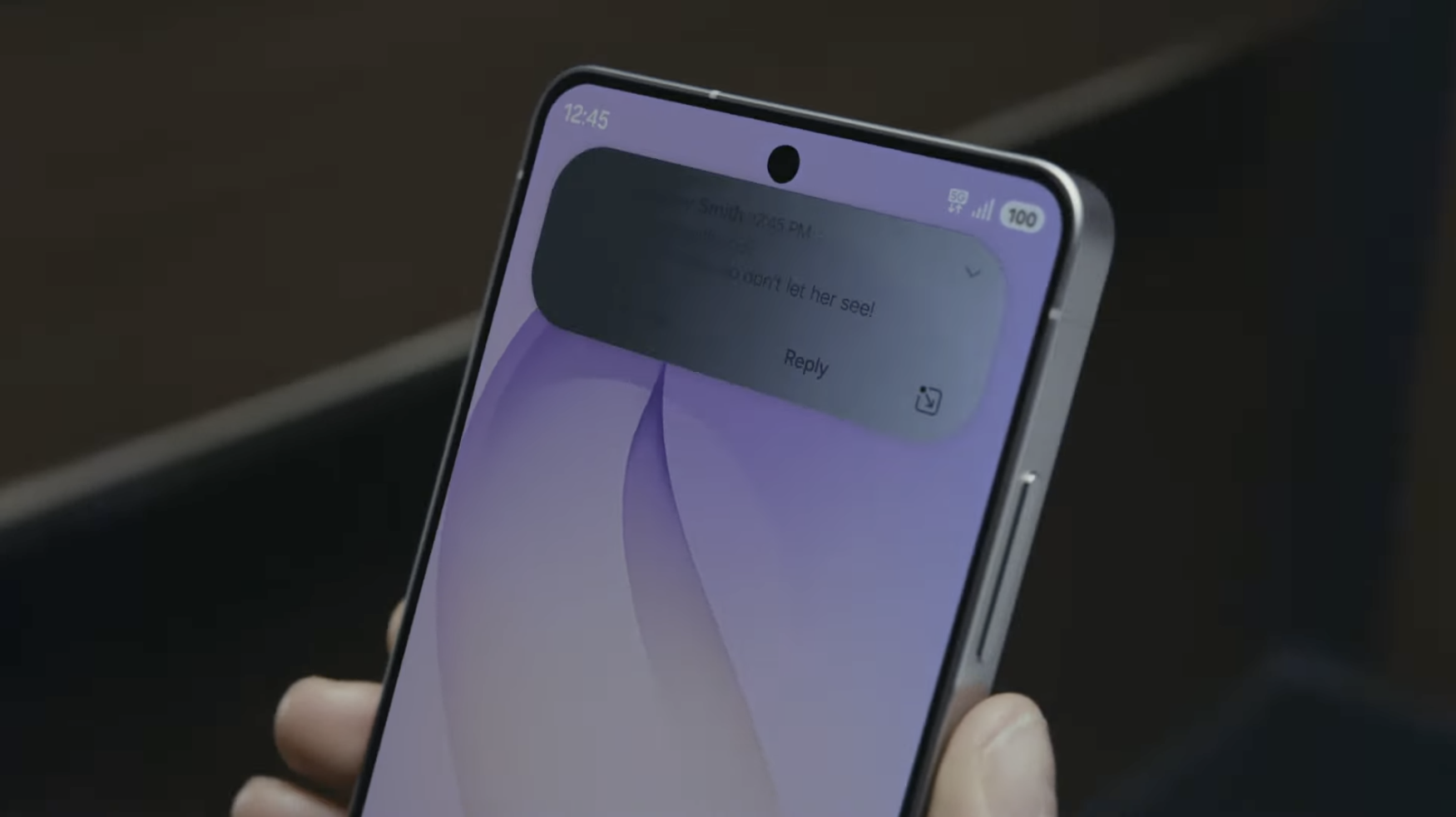
The really clever part, though, is that the S26 can apply this privacy filter to only certain apps or even certain areas of the screen. So while the majority of the screen can be viewed from any angle, the notification boxes can appear dark from the sides, completely shielding their content. Handy when on a train or sitting with company that you’d rather not see your messages.
It’s easy to get into comparisons with processors and camera functionality between Samsung and Apple phones, and both have their merits. However, the built-in privacy screen is something completely new to phones. Yes, you can buy a privacy screen protector, but then there’s no way to turn it off without removing the screen protector.
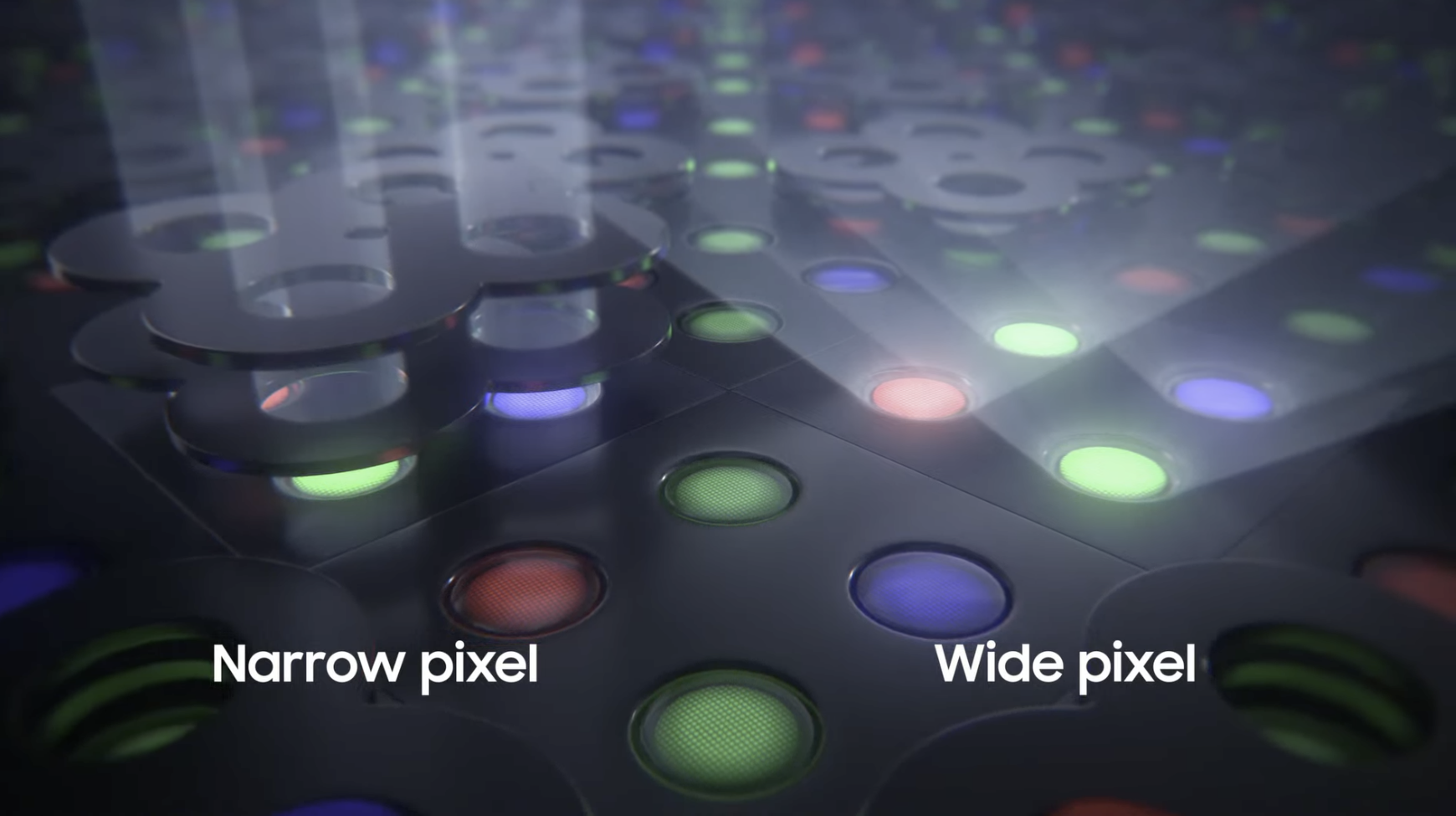
I imagine this technology could be rolled out across Samsung’s laptop and tablet range over time, offering a similar level of privacy protection that is both customisable and area-specific. Of course, the downside is that turning on privacy reduces the number of pixels by 50%, so the display will look duller and less sharp. So you wouldn’t want to keep the protection on at all times. The beauty being, though, you don’t need to.
Replicating this technology in other phones won’t be easy, because it's at the pixel level, but it’s certainly not impossible. Samsung displays are used in other handsets. In fact, Samsung has famously supplied the displays used for iPhone models for some time. This means that in theory, Apple devices could adopt a similar in-built privacy technology in future models. However, I suspect it won’t.
Much like how under display finger print sensors and cameras require a reduction in screen quality, the privacy filter relies on reducing the active pixels. This feels very un-Apple in its application. That’s not to say that Apple couldn’t have a privacy filter in future, but I suspect it will look very different.