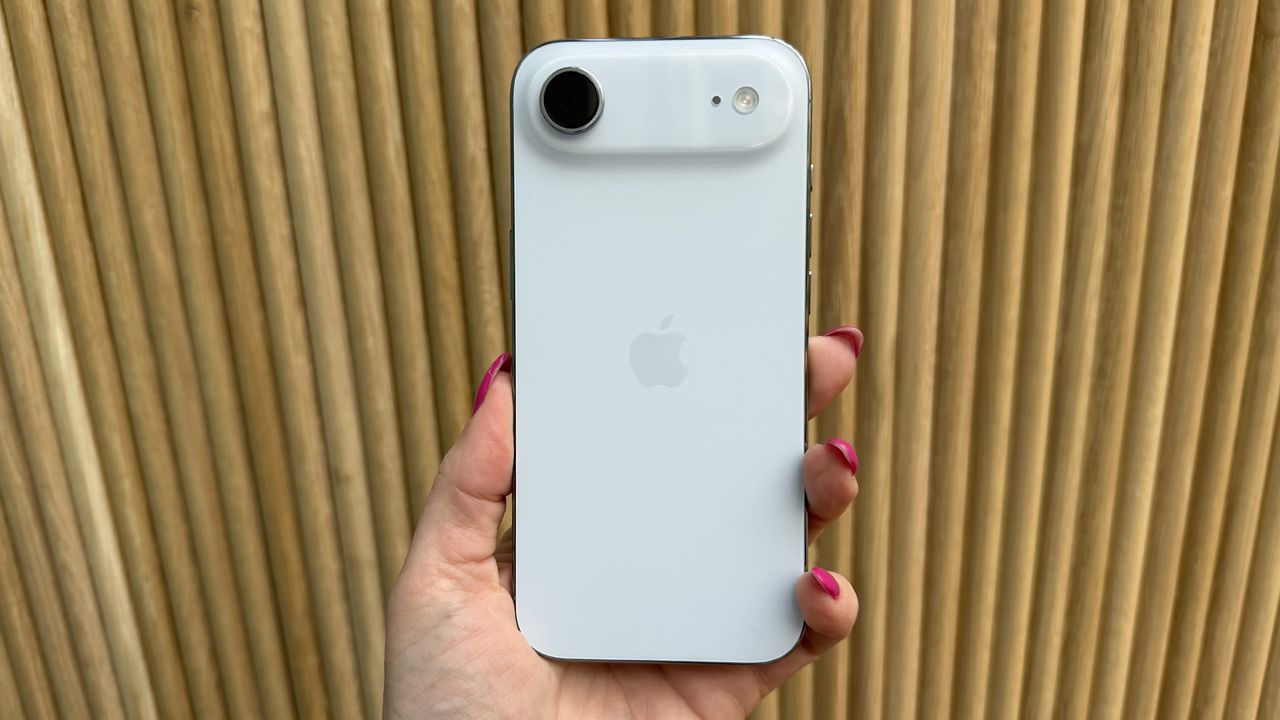
According to cellular network data from Ookla, the iPhone Air has been more popular than many have suggested. It's sold more than twice as well as the iPhone 16 Plus it replaced, in fact.
The data shows that the iPhone Air accounted for 6.8% of network use, while the iPhone 16 Plus only accounted for 3% in 2025.
Apple announced the super-slim iPhone Air alongside its iPhone 17 models in September last year, marking the thinnest iPhone ever made. But while many believe that it is a delightful piece of engineering, there are suggestions that it hasn’t been the biggest seller.
That doesn't seem to be the case, though. Statistics from network data service Ookla suggest that the iPhone Air has been more successful than thought – more than twice as much as the iPhone it replaced.
According to 9to5Mac, Ookla's phone usage data can be used to find out just how popular the new phone has proved.
How does Ookla know the iPhone Air was popular?
This comes from “crowdsourced cellular network data” which includes analytics data garnered from real-world use of Ookla's Speedtest app. Approximate sales numbers have then been approximated by comparing the quantities of Speedtest samples.
The statistics revealed that less than 3% of Apple phone users accessed Speedtest using an iPhone 16 Plus during its 2024 launch window, with the iPhone 16 accounting for 5.9%, the iPhone 16 Pro 34%, and the iPhone 16 Pro Max 56%.
In comparison, Ookla found that the iPhone 17 Pro and iPhone 17 Pro Max accounted for similar percentages to their predecessors this year, though the 17 Pro did seem to drop a little to 30.6%. It was the iPhone Air that represented the most notable stats, however, accounting for 6.8% – over twice its predecessor year-on-year.
Apple doesn’t release official sales figures, so it is important to take some of this with a pinch of salt, but the figures are certainly interesting – especially if you're wondering whether there will be an iPhone Air 2.
Ookla’s data also suggested that the iPhone Air was more popular than Samsung’s Galaxy S25 Edge, which is 0.2mm thicker than the Air, but lighter.
That might be evidence enough to convince Apple to have another stab at the form factor.