
Your paycheck arrives. You feel powerful, responsible, and maybe even a little smug. Then, almost immediately, tiny financial gremlins start gnawing at it. Not official taxes. Not dramatic fines. Just those recurring, irritating costs that feel suspiciously like penalties for existing in modern life.
They don’t announce themselves, they don’t come with government letterhead, and yet they hit with impressive consistency. Welcome to the world of invisible taxes, where nobody explains the rules, but everyone pays anyway.
1. Convenience Fees That Punish Busy People
Convenience fees are the universe’s way of charging you for valuing your time. Buy concert tickets online? Convenience fee. Pay a bill digitally? Convenience fee. Order food without putting on real pants? You guessed it. These charges are usually small enough to feel harmless, yet frequent enough to quietly add up over months and years. What stings is the logic behind them, since the company is often saving money by automating the process you’re paying extra to use.
Instead of rewarding efficiency, convenience fees turn everyday tasks into micro-penalties. They don’t feel optional either, because opting out often means waiting in line, mailing checks, or giving up entirely.
2. Subscription Creep That Never Stops Growing
Subscriptions begin as bargains and slowly transform into financial squatters. A few dollars a month here, ten dollars there, and suddenly your bank statement looks like a roll call of forgotten commitments. Many subscriptions renew automatically, counting on inertia to keep them alive long after you stopped using them. The real invisible tax is mental, because keeping track of them requires attention and effort. Canceling can involve logins, passwords, surveys, and oddly emotional “Are you sure?” messages. Over time, subscription creep becomes a quiet drain that feels like a penalty for optimism and free trials.
3. Late Fees That Hit When Life Gets Messy
Late fees often arrive when you’re already having a rough week. A missed payment, a delayed paycheck, or a simple oversight can trigger charges that feel wildly out of proportion. The bill was forty dollars, the late fee is twenty, and suddenly the math feels personal.
These fees are designed to encourage punctuality, but they often punish chaos rather than carelessness. Life doesn’t always operate on neat schedules, yet late fees assume it should. They stack quickly and can spiral into more penalties, interest, or service disruptions, making a small slip feel like a financial landslide.
4. Price Increases Without Better Anything
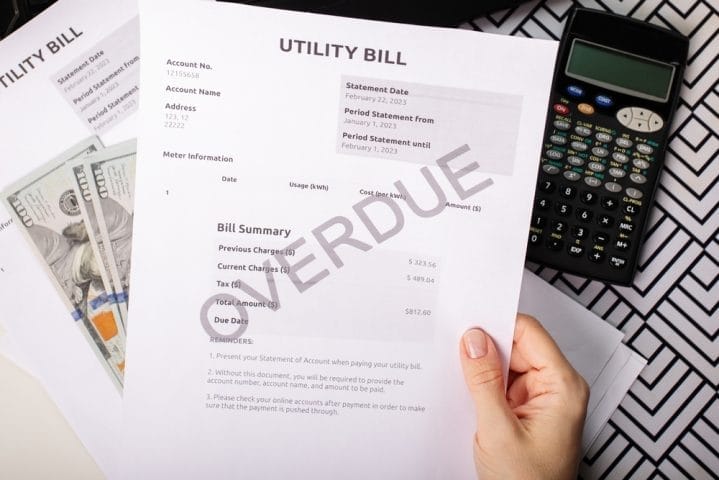
One day your bill is normal, the next day it’s higher, and nothing has improved. Same service, same quality, same everything, just more expensive. Companies often roll out price increases quietly, knowing most people won’t notice right away or won’t bother switching. This invisible tax feeds on complacency and busy schedules. It’s rarely dramatic enough to spark outrage, yet persistent enough to chip away at budgets.
Over time, these increases become normalized, even though they represent a steady loss of purchasing power. You’re not paying for more, you’re paying for the privilege of staying put.
5. Opportunity Costs You Only Notice Later
Opportunity costs are the taxes you don’t see until hindsight sharpens its knife. Choosing one option means giving up another, and sometimes that tradeoff is expensive in ways that aren’t obvious at first. Taking a job with lower pay but higher stress, or buying a cheaper item that breaks quickly, can cost far more over time.
These costs feel like penalties because nobody warns you about them upfront. They hide in lost time, missed growth, and future expenses. Once you notice them, they’re impossible to unsee, and they often feel harsher than a straightforward bill.
6. Emotional Spending Fueled By Stress And Fatigue
After a long day, logic clocks out early. Stress spending, boredom buying, and “I deserve this” purchases can quietly drain finances without feeling reckless in the moment. The invisible tax here is emotional exhaustion, which lowers resistance and raises spending. Retail therapy works briefly, then hands you a credit card statement as the comedown. These costs feel punitive because they prey on human vulnerability rather than bad math. Over time, emotional spending can become a habit, turning temporary relief into long-term regret. It’s not about discipline alone, but about recognizing how emotions quietly shape financial decisions.
Calling Out The Costs We All Feel
Invisible taxes don’t show up on tax forms, yet they shape everyday financial reality. They thrive on convenience, distraction, stress, and silence, making them easy to overlook and hard to fight. Simply noticing them is a powerful first step, because awareness changes behavior faster than guilt ever could. Everyone has their own stories of surprise charges, forgotten subscriptions, or fees that felt unfair.
If any of these costs sound painfully familiar, jump into the comments and let us know what invisible taxes you’ve noticed in your own life. Your experience might help someone else feel a little less alone.
You May Also Like…
Baseline: 6 Costs Required Just to Stay Afloat
Contractual: 6 Agreements That Lock You Into Higher Costs
BehindScenes: 8 Costs Employers No Longer Cover
Hidden Fees: 6 Charges That Appear After You Commit
10 Fees That Appear Only After You Try to Cancel
The post InvisibleTaxes: 6 Costs That Feel Like Penalties appeared first on Everybody Loves Your Money.