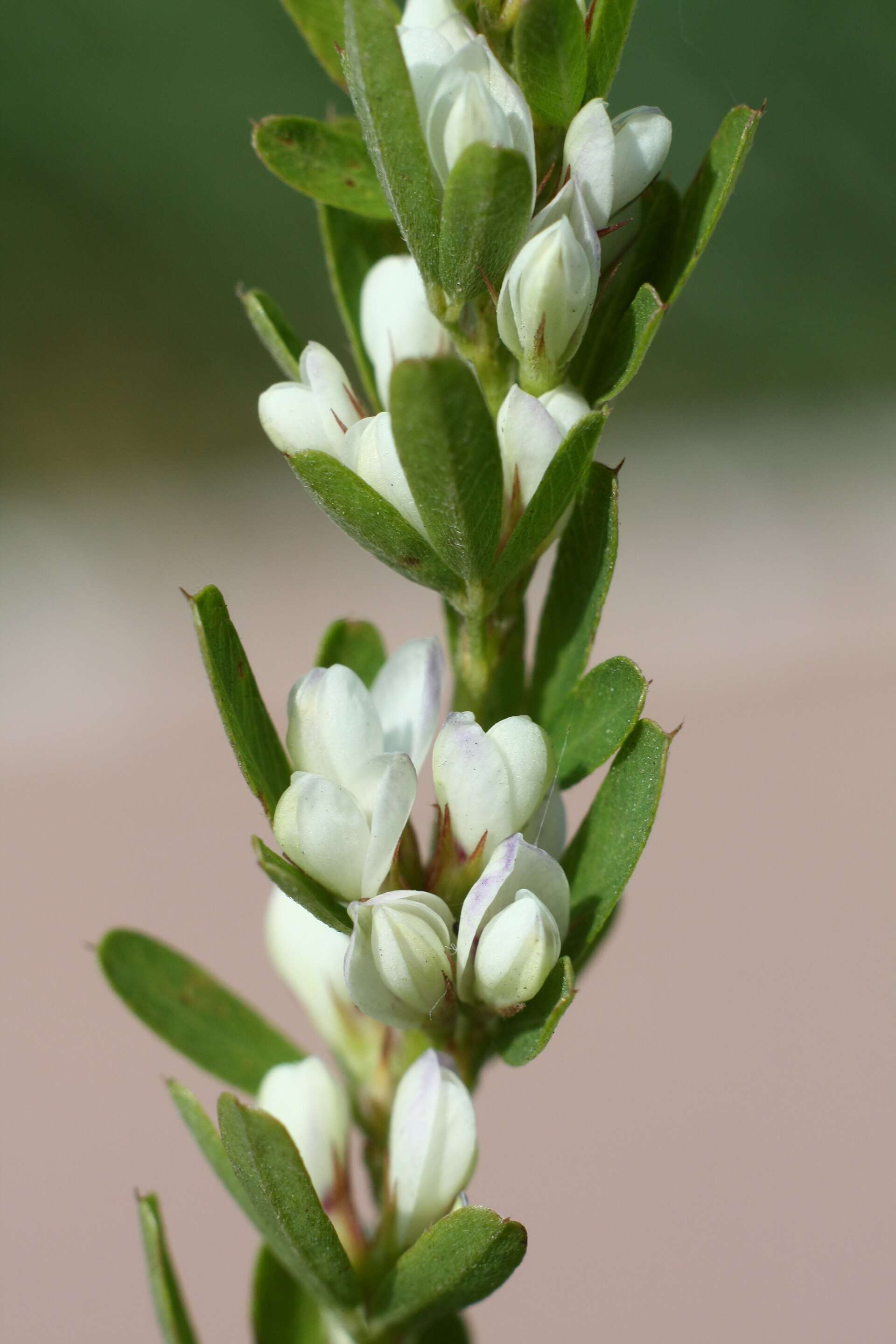
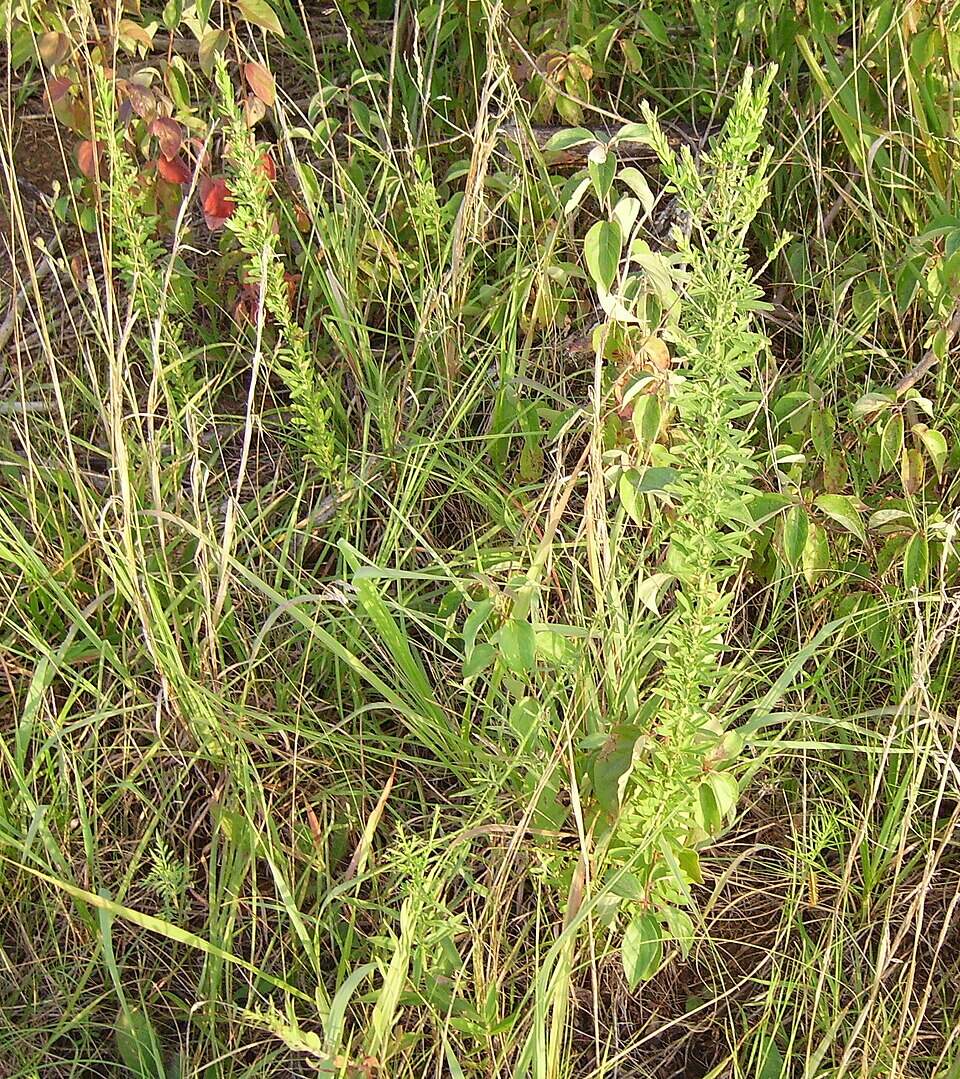
Plants introduced with the best of intentions do not always remain where they are first planted. Across parts of the United States, one such example is sericea lespedeza, a hardy perennial legume that was introduced primarily during the 1930s and 1940s for forage and soil conservation. Over time, however, the same plant spread into tallgrass prairies, where it has become a management concern in many grassland ecosystems.
Get breaking news anytime, anywhere. Download the TOI app now!
A study published titled Effects of sericea lespedeza residues on selected tallgrass prairie grasses investigated how residues from sericea lespedeza affected selected tallgrass prairie grasses. The researchers found that responses varied among species, with some grasses showing reduced growth under certain conditions, highlighting another way the plant may influence prairie vegetation. The study found that residues reduced germination in some species under experimental conditions, although the researchers did not observe reduced growth after the grasses became established.
Sericea lespedeza was originally valued because it could grow in difficult conditions and help stabilise soil while providing forage. These qualities made it attractive for agricultural use in several parts of the United States. As the years passed, however, the plant spread beyond many of the areas where it had been intentionally planted.
Another problem became apparent. Although it had been promoted as a forage plant, mature sericea lespedeza proved to be far less appealing to grazing cattle. According to the study, its stems become woody as the plant matures and its leaves contain high levels of tannins, which make it less digestible and less palatable for livestock. With fewer animals grazing on mature plants, the species persisted and spread into additional grassland areas.
The study explored how the plant affects native prairie grasses
The researchers from Kansas State University focused on a natural process known as allelopathy, in which chemicals released by one plant can inhibit another plant's germination or growth. Previous research had shown that sericea lespedeza displayed these properties in managed pastures, but little was known about whether the same effect occurred in eastern Kansas tallgrass prairie species.
To answer that question, the researchers collected mature stems and leaves of sericea lespedeza and prepared residue extracts. They then exposed seeds of four grass species commonly found in prairie and pasture ecosystems: big bluestem, little bluestem, indiangrass and Kentucky bluegrass.
The experiments showed that responses varied by species rather than affecting every grass in the same way. Compared with untreated seeds, germination declined in big bluestem, indiangrass and Kentucky bluegrass after exposure to sericea lespedeza residues. The researchers also recorded shorter radicle and coleoptile lengths in some seedlings during the early stages of development.
Little bluestem responded differently. Under the conditions tested, the study found no significant effect on its germination or early development. This suggests that different prairie grasses vary in their sensitivity to compounds released from sericea lespedeza residues.
These findings indicate that sericea lespedeza residues can make it harder for some grasses to establish from seed. Because germination is an important first step in plant establishment, differences at this stage may affect how some prairie grasses establish when sericea lespedeza residues are present.
The effects were strongest during germination
The researchers also wanted to know whether these early effects persisted as the grasses matured. To investigate this, they carried out greenhouse experiments in which sericea lespedeza residues were mixed into the soil before the grasses were grown.
After 50 days, they measured plant height as well as root and shoot production. Unlike the germination experiments, these measurements showed no significant reductions in overall growth for any of the four grass species. Big bluestem, little bluestem, indiangrass and Kentucky bluegrass all developed similarly regardless of whether sericea lespedeza residues had been incorporated into the soil.
This was one of the study's key findings. The research suggests that the residues affected the earliest stages of development in some grasses but did not continue to suppress growth once seedlings were established under the greenhouse conditions used in the experiment.
The authors also compared their findings with earlier studies on sericea lespedeza. Some previous studies had reported effects on pasture grasses, while others found that different species responded differently. The Kansas study adds to evidence that the impact of sericea lespedeza residues depends on the grass species being examined.
Competition for sunlight, water and nutrients is only part of the picture. The study indicates that natural compounds in sericea lespedeza residues can influence the germination of some grass species under experimental conditions.
Decades after sericea lespedeza was introduced for forage and soil conservation, researchers are still examining how it interacts with native ecosystems. This study suggests that residues from the plant can reduce germination in some tallgrass prairie species under experimental conditions, while established plants appear to continue growing normally.