
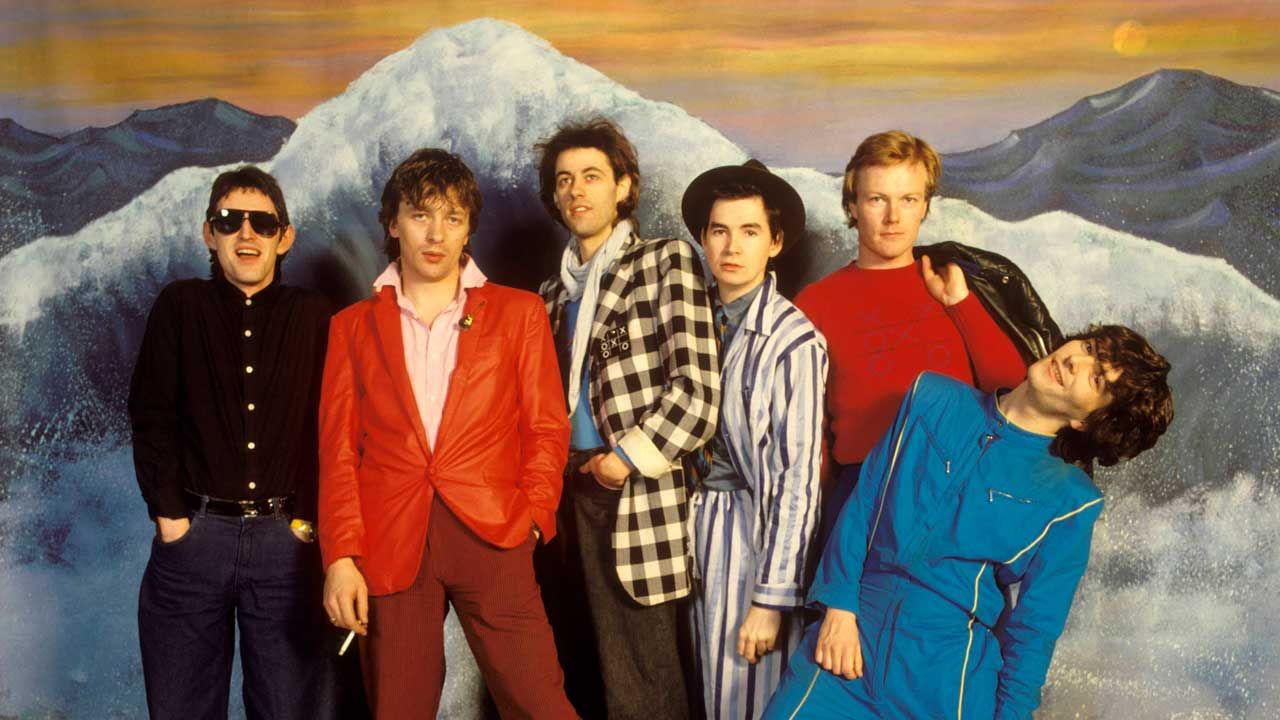
On the afternoon of July 13, 1985, the Boomtown Rats were on stage as part of Live Aid at Wembley Stadium, playing I Don’t Like Mondays. A song about the tragic mass shooting, when 16-year-old Brenda Spencer fired on staff and pupils at San Diego’s Grover Cleveland Elementary School on January 29, 1979, it’s hardly an obvious shoo-in for Live Aid’s famine relief fundraiser. Fortunate, then, that the event’s instigator, Bob Geldof, who’s also the Rats’ frontman, had a plan. When the band reached the line in the song that runs: ‘And the lesson today is how to die’, they stopped suddenly. They paused for 20 seconds of pointed silence, during which 72,000 in the audience at Wembley and a further 1.9 billion watching on TV/via satellite recompute the line’s meaning. For that day, at least, it seems it’s about famine in Ethiopia, about needless death of a different kind. Neatly done. “I’ve just realised today is the best day of my life,” an elated Geldof told the Live Aid crowd. But in January 1979, while doing US promo interviews with The Boomtown Rats, he felt less fulfilled. Thanks to their UK No.1 single Rat Trap, the band’s second album, A Tonic For The Troops, had reached No.8 there, yet the US was still an uphill struggle for them. “The Americans just didn’t get us,” Geldof told this writer in 2005. “We couldn’t explain ourselves to them, and because it was pre-MTV they hadn’t seen any Boomtown Rats videos. The world was a much bigger place back then, and we were sometimes poles apart. In California especially, I was noticing this alienating mindlessness that Brett Easton Ellis wrote about so brilliantly in his [1985] novel Less Than Zero.”












