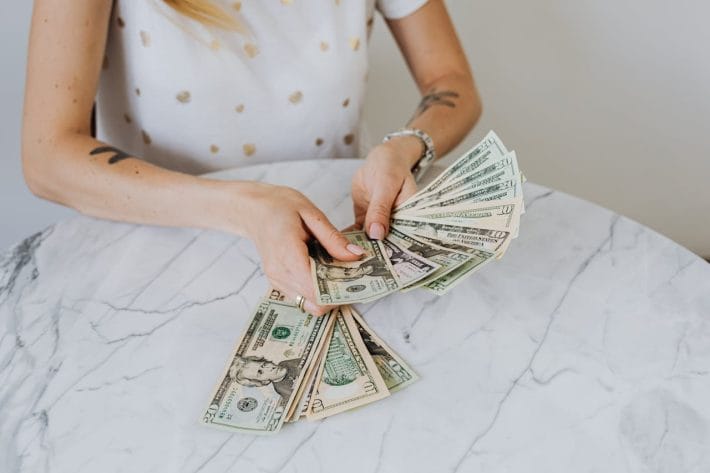
It seems counterintuitive: you paid for expensive health insurance, so using it should always be the cheapest option, right? In 2026, however, the distorted economics of the pharmaceutical industry mean that your insurance copay is often higher than the cash price of the drug. This is due to “clawbacks,” where the pharmacy benefit manager (PBM) sets a high copay (e.g., $20) for a cheap generic drug (costing $2) and pockets the difference. For seniors on fixed incomes, blindly handing over an insurance card can result in overpaying by hundreds of dollars a year. “Cash pay” has moved from a desperate option for the uninsured to a savvy strategy for the insured.