
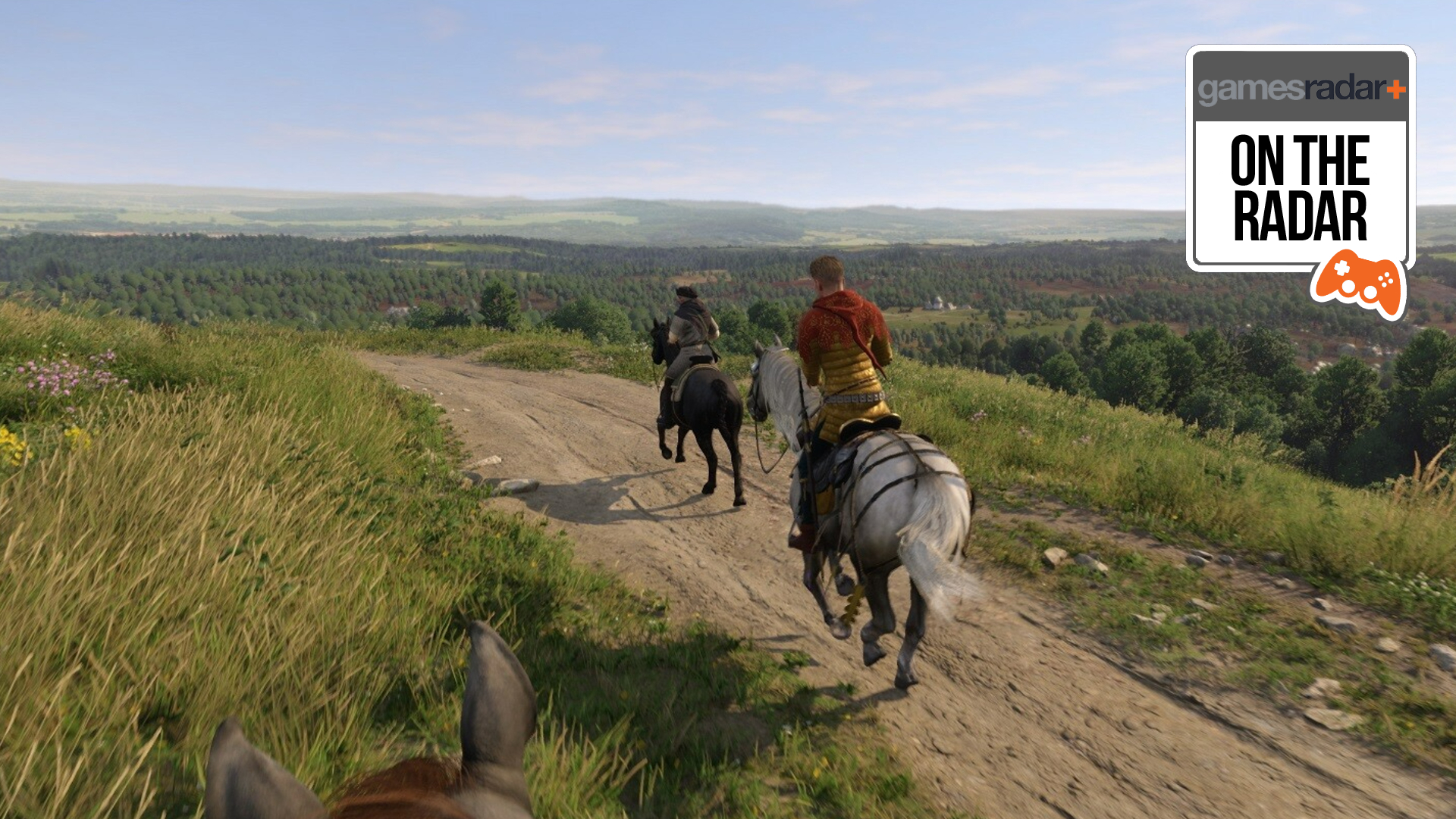
The first hours of a life-changing RPG are intoxicating. You probably know the feeling – just as a game's mechanics start to click and you start to get your bearings, you're struck by the sheer enormity of it all. The world is an open book, yet to be explored, and completely yours. To me, nothing exemplifies this more than stepping out of the Imperial City Sewers to explore Cyrodiil for the first time in The Elder Scrolls 4: Oblivion. Time has never been able to dilute that sense of staggering possibility – so imagine my surprise when, almost 20 years later, I felt the same way in Warhorse Studios' medieval RPG Kingdom Come: Deliverance 2.
In many ways, I think Kingdom Come: Deliverance 2 is as close a spiritual successor to Oblivion as we'll ever get. Some of its resemblances are skin-deep, like the way that 15th-century Bohemia's lush forests and rolling hills seem to sprawl in every direction like Cyrodiil's own. Elsewhere, it's a little more mechanical. NPCs live their own lives that you can't just twist around your own, which makes it all the funnier when a passing noble decides to jump off his horse to help you kill a roadside bandit with his bare hands. Importantly, though, the two games share that feeling of complete liberation in their beginnings: the implication that everything is possible, if you can just pick a direction and walk.
.jpg?w=600)













