In the novels of John le Carré, the term “tradecraft” is a shorthand for the techniques of covert intelligence gathering: the “dead drops” used to pass messages from spy to spy, the surveillance devices that might bug an apparently unassuming hotel room, and complex networks of fake identities and misleading counter-narratives designed to destabilise the enemy. These insights into the shadowy world of espionage, with their push-pull of concealing and revealing are part of the enduring appeal of le Carré’s work, rendered all the more alluring and authentic thanks to his own half-decade stint in the secret service.
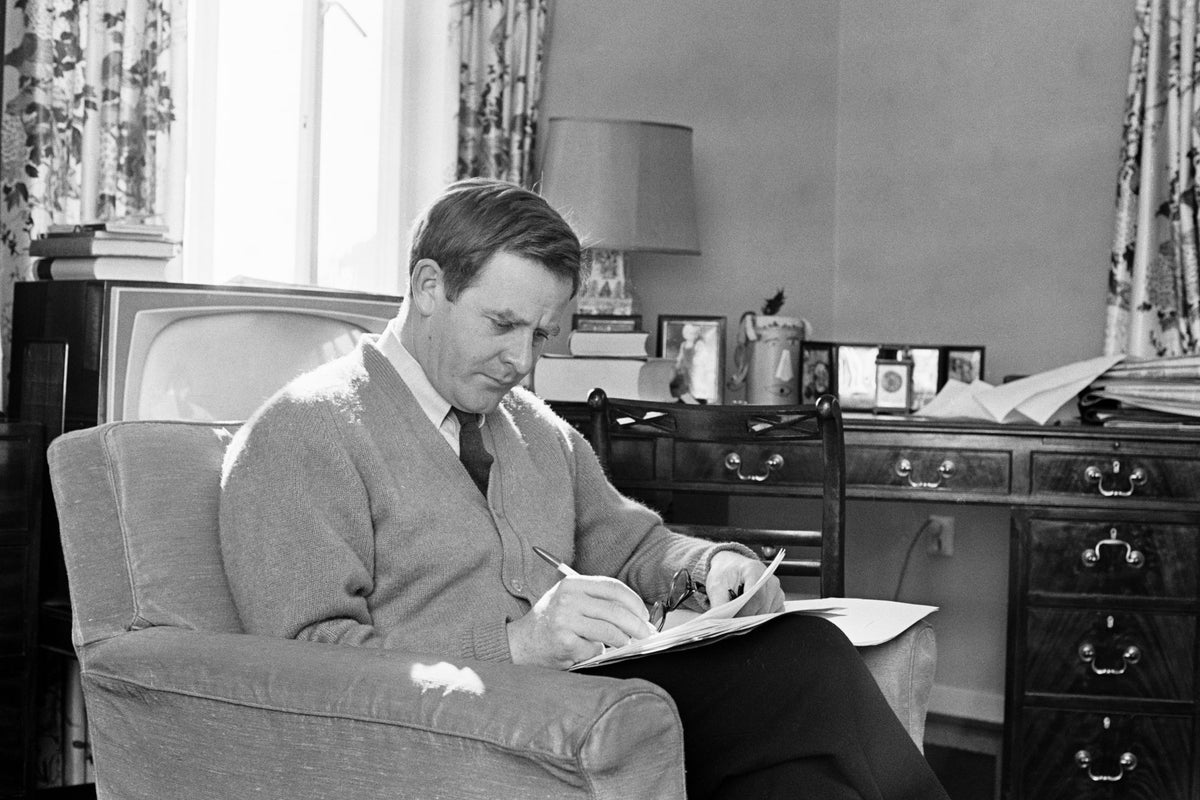
But his own “tradecraft” as a writer was just as intriguing. Five years after the author’s death at the age of 89, and 15 years since he started the process of handing over his vast archive to the University of Oxford’s Bodleian Library, a new exhibition is shedding light on the fascinating, often idiosyncratic creative process behind novels such as Tinker Tailor Soldier Spy, The Night Manager and The Constant Gardener. “John le Carré: Tradecraft” draws from the 1,200 boxes of material in that archive, which have never previously been displayed publicly, to explore the meticulous working methods of the author (real name David Cornwell).