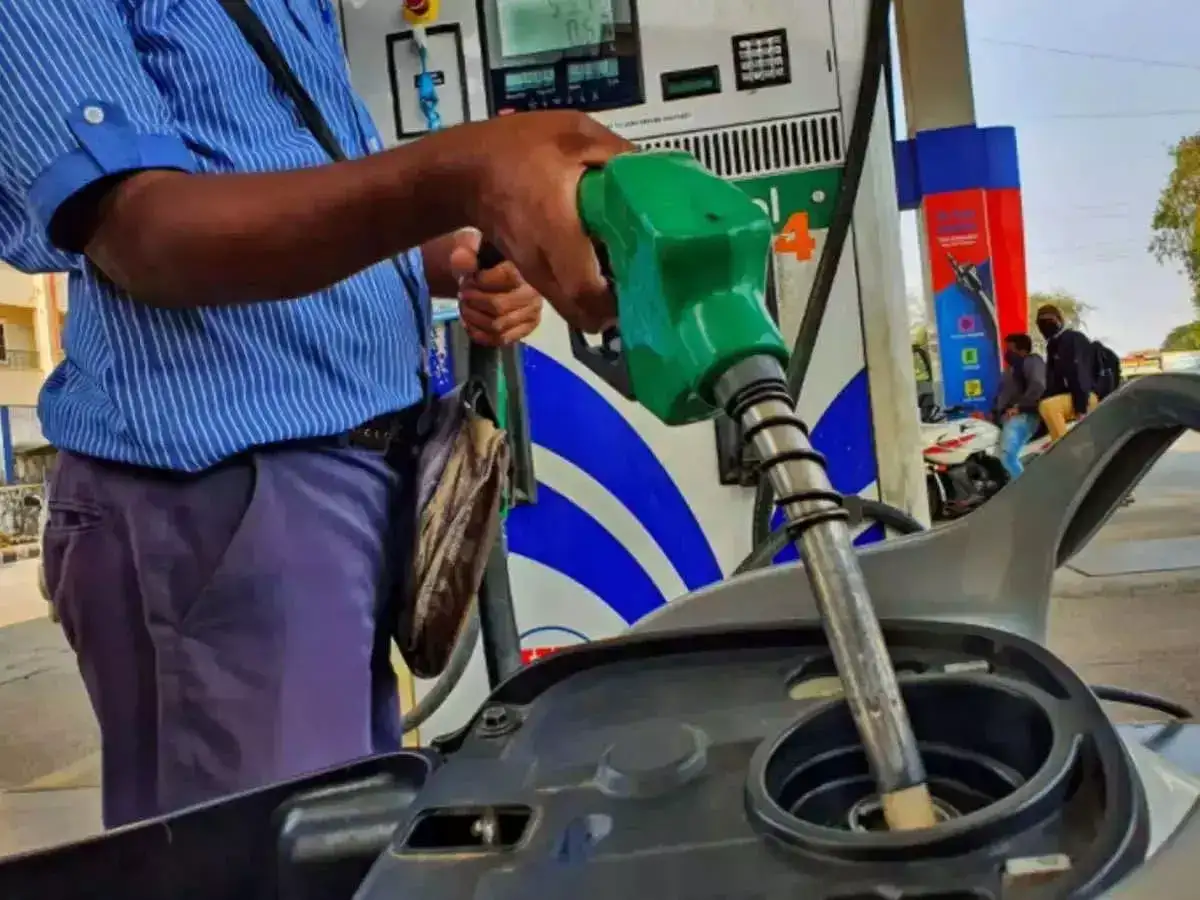
New Delhi: The Indian Sugar and Bio-Energy Manufacturers Association (ISMA) on Wednesday said recent claims about E20 petrol damaging vehicles, attracting insects, invalidating insurance, or involving the direct mixing of sugarcane juice with fuel were 'misleading and factually incorrect'.
The industry body urged that public discourse on ethanol-blended petrol be guided by scientific evidence, verified data and official clarifications.

Also Read: Near-zero E100 demand puts brakes on OMCs' E85 rollout
The Ministry of Petroleum and Natural Gas has said India's Ethanol Blending Programme is scientifically validated, rigorously tested, and continuously monitored, in consultation with oil marketing companies, automakers, fuel testing agencies, and other stakeholders. The government said no incidents of engine failure or vehicle breakdown had been linked to E20 petrol since its rollout.
The ministry said fuel-grade ethanol is produced through industrial processes such as fermentation and distillation and does not resemble its original agricultural feedstock. It is made from multiple sources, including sugarcane juice, molasses, broken rice, and maize, and must meet fuel-quality standards before being blended with petrol, the ministry said.
Also Read: Nitin Gadkari throws down E20 challenge
ISMA said automakers, oil companies and industry bodies including the Society of Indian Automobile Manufacturers (SIAM), the Federation of Indian Petroleum Industry (FIPI) and the Automotive Research Association of India (ARAI) have publicly defended E20, saying concerns about vehicle breakdowns stem from 'hearsay, misinformation and misunderstanding'.
Industry representatives said mileage variation, where observed, was marginal, while E20 helps cut emissions, reduce oil imports, save foreign exchange and support farmer incomes.
"India's ethanol programme is one of the country's most successful examples of aligning energy security, farmer welfare and cleaner mobility," ISMA Director General Deepak Ballani said in the statement.
"It is therefore important that public debate is anchored in facts and not fear."
Ballani said E20 had been introduced through a "calibrated, science-backed process" involving the government, oil marketing companies, automakers and testing agencies and that claims the fuel was unsafe or unregulated were not supported by evidence.
"Misinformation of this nature risks undermining a programme that has helped India reduce crude import dependence, save foreign exchange and create value for the rural economy," he said.
The Ethanol Blending Programme was launched to cut India's dependence on imported crude oil, strengthen energy security and promote cleaner fuels. Ethanol blending has helped India save more than Rs 1.4 lakh crore in foreign exchange by reducing crude oil imports, according to government estimates, while generating demand for agricultural feedstocks and additional income for farmers.
ISMA noted that ethanol blending is not unique to India and is used widely in major economies, including the United States, Brazil and Japan. Brazil has adopted E27 as its standard fuel blend, the government has said.
The industry body urged stakeholders, media platforms and citizens to rely on verified sources and official information in discussions of ethanol-blended fuel.