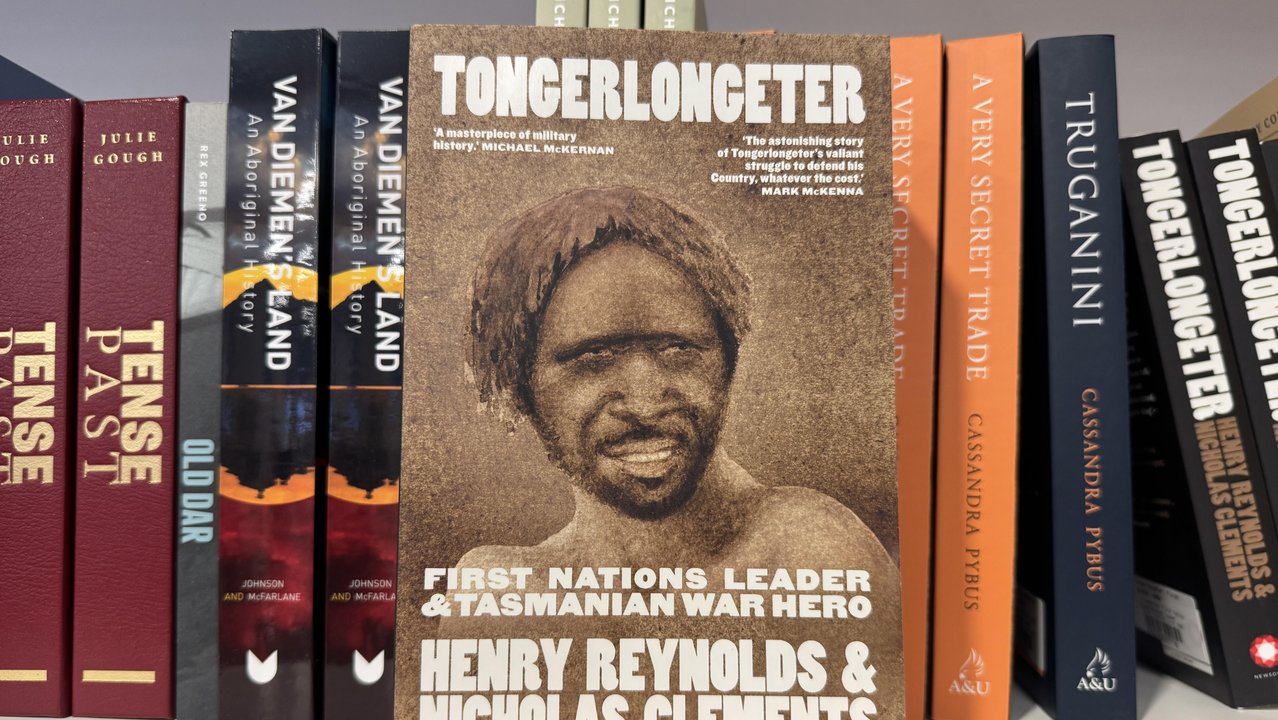
Tongerlongeter may be little known, but historians have hailed the Indigenous warrior as worthy of having a federal electorate named in his honour.
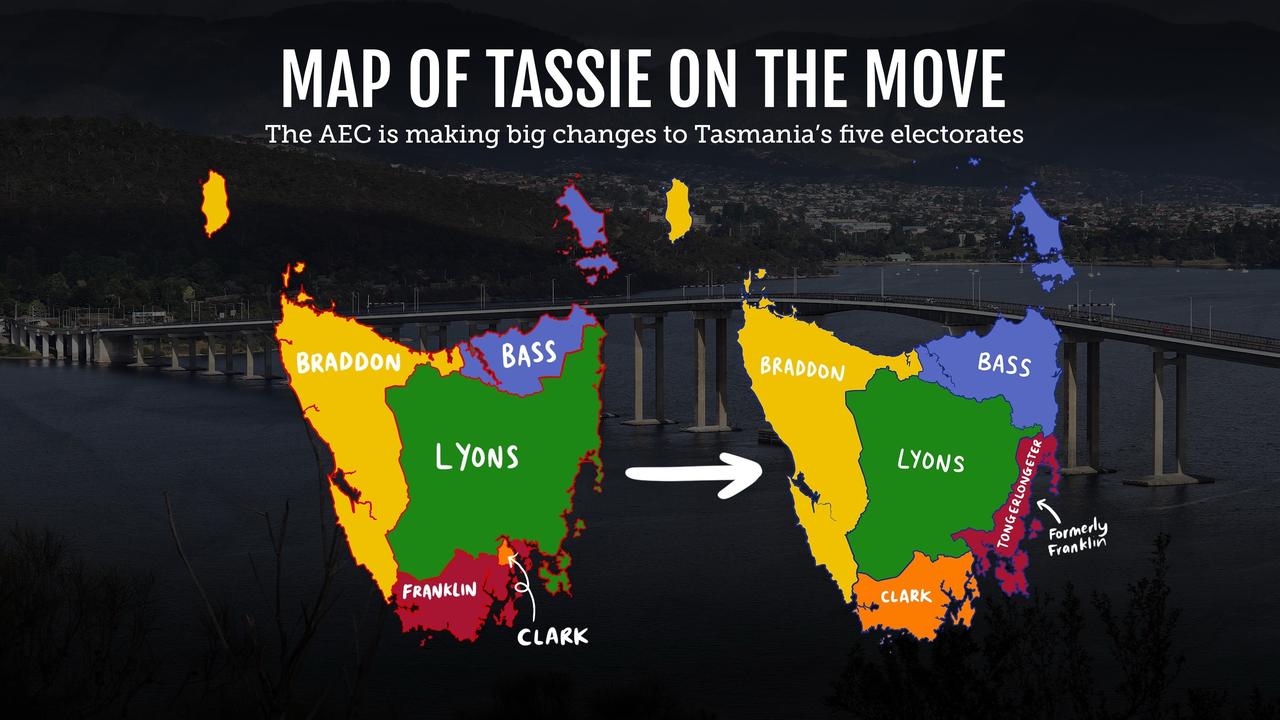
The Australian Electoral Commission (AEC) has proposed renaming the southern Tasmanian seat of Franklin after Tongerlongeter in its redistribution of the island state.
Not everyone is happy: sitting Labor member Julie Collins doesn't support the move, and the Tasmanian Aboriginal Council (TAC) says it wasn't consulted.
Biographer Nicholas Clements, who co-wrote a history of the of the Indigenous leader, says his story is under-appreciated.
View this post on Instagram
"Before we wrote our book, I remember doing a Google search of Tongerlongeter and there were three entries ... all like random footnotes to obscure texts," he told AAP.
"But he's a fitting figure to honour."
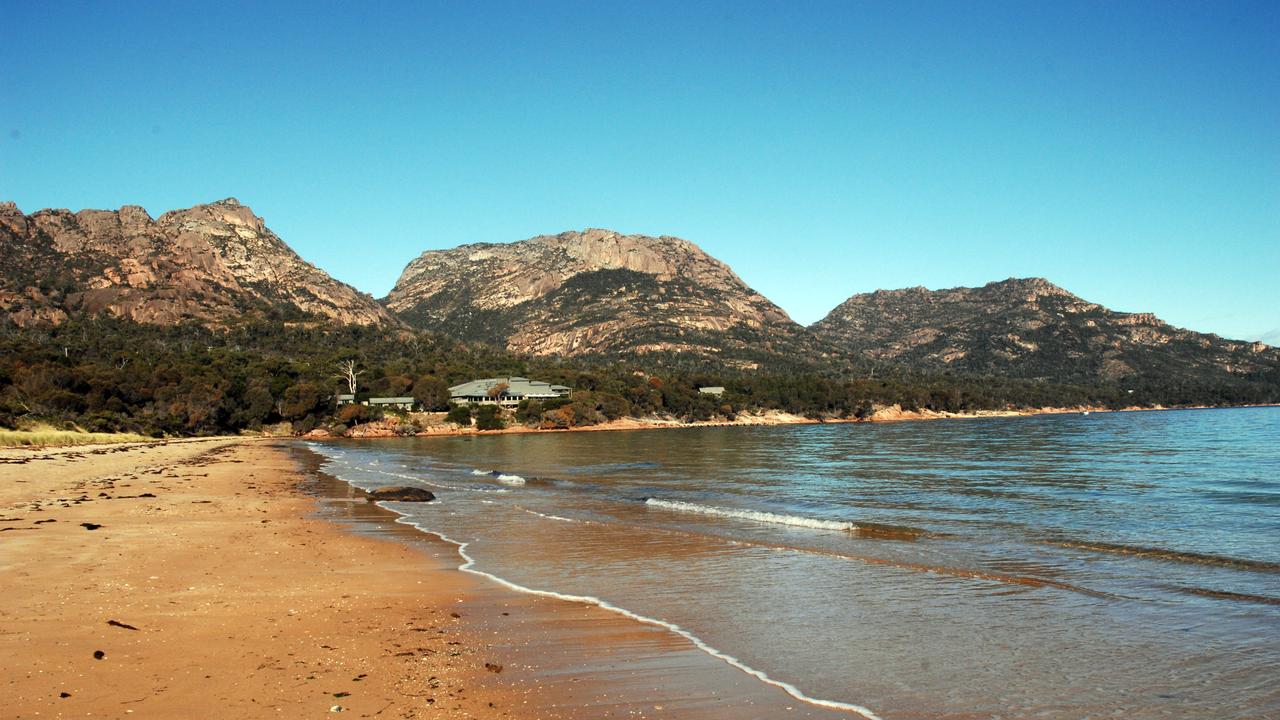
The AEC released its redistribution plans on Wednesday, shifting Ms Collins' electorate from the far south to take in much of Tasmania's picturesque east coast.
The new territory overlaps the Oyster Bay nations where Tongerlongeter lived and fought against British colonialisation in the early 19th century.
Faced with the violent dispossession of lands and people - with hundreds of Indigenous men murdered, and women and girls abducted - Dr Clements said Tongerlongeter led the most "effective frontier resistance campaign in Australian history".
Eventually, in 1831, his decimated tribe reached an armistice and was exiled to Flinders Island, along with many other Tasmanian Aboriginals, where Tongerlongeter again assumed a leadership role.
"This is a phenomenal individual, someone everybody can look up to - not just Aboriginals - but everyone as this is our shared history," Dr Clements said.
In its deliberations, the AEC essentially agreed.
"Tongerlongeter's leadership during the Black War, his role in defending Country, and his enduring significance in Tasmanian history provide strong grounds for recognising his contribution through the naming of an electorate," the AEC panel wrote.
However, the Liberal and Labor parties don't believe the seat should be renamed.

Both parties submitted to the AEC that Franklin, named after Sir John Franklin, a British polar explorer and early administrator of Van Dieman's Land, should be retained.
The Liberals argued keeping Franklin would "minimise voter confusion" while the Labor party submitted a change "lacks compelling justification" given its heritage of over a century of use.
Ms Collins confirmed to AAP Franklin remained her preferred title.
"I support the submission that the Labor Party made to the redistribution consultation process, including about a possible name change," she said.
Dr Clements said he was sympathetic to those viewpoints but the "chequered" history of the current namesake, who kept skeletal remains of Indigenous people, ought to be considered.
"To rename the electorate after this extraordinary resistance fighter, who has this unblemished and storied history, compared to someone like Sir John Franklin, it's wholly appropriate," he said.
TAC campaign manager Nala Mansell said Tongerlongeter was deserving of greater recognition.
"As we see often, when it comes to any decisions about Aborigines in this state, Aboriginal people are excluded from any type of decision making," she told AAP.
An AEC spokesman said that it had "engaged, or sought to engage, different local Indigenous groups" prior to the announcement and their views would be welcome in a fresh consultation period.