What the surveys are actually recording
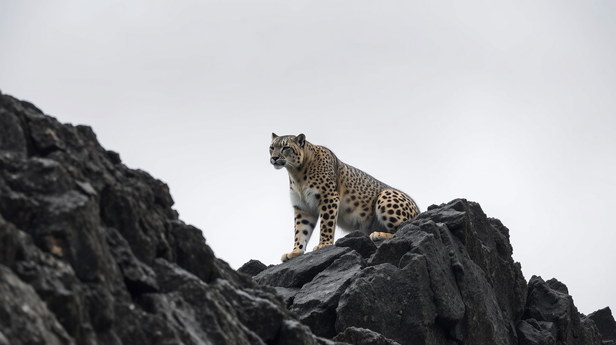
A 2020 study published in the journal Global Change Biology, drawing on decades of bird census data from the western Himalayas, found that high-altitude species had shifted their ranges upward by an average of 75 to 150 metres over a 20-year period. That number sounds modest until you consider what it means on a ridge: 150 metres of elevation in the Himalayas can mean a completely different plant community, a different temperature regime, and a different set of predators. The Wildlife Institute of India, based in Dehradun, has been running long-term monitoring programmes across Uttarakhand and Himachal Pradesh that corroborate this pattern. Camera traps placed at fixed elevations are increasingly catching species that were not expected there a decade ago.