The Supreme Court of India has upheld the army’s decision to dismiss a Christian officer who repeatedly refused to take part in mandatory ceremonies at his regiment’s Sikh gurudwara.
Judges ruled that Lieutenant Samuel Kamalesan’s refusal amounted to a breach of discipline and an affront to the soldiers he commanded.
The judges said the officer relied on a “personal understanding” of his faith to avoid participating in practices that formed part of regimental life in India’s armed forces where collective devotional routines were used to build cohesion.
The decision confirmed a May ruling of the Delhi High Court which found that Lt Kamalesan “kept his religion above a lawful command”. The officer was commissioned into the 3rd Cavalry regiment in 2017 and served as a troop leader in a Sikh-majority squadron.
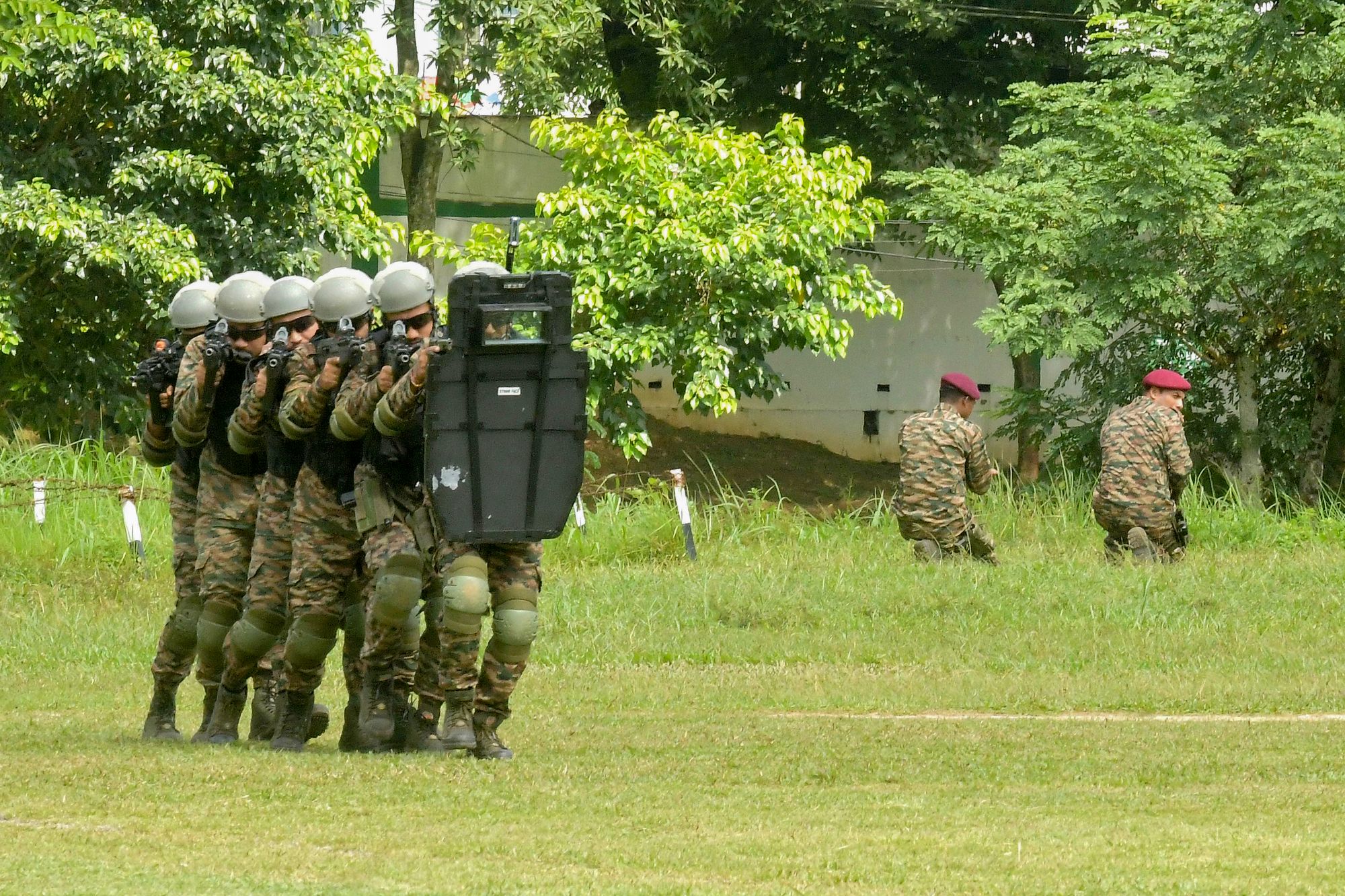
Regiments of the Indian Army often maintain places of worship known as Sarv Dharm Sthal – meaning “place of all faiths” – intended to symbolise religious harmony within the ranks. In Lt Kamalesan’s unit, the structure functioned as a combined Hindu temple and gurudwara, a Sikh place of worship.
Lt Kamalesan argued that entering the sanctum sanctorum to perform rituals conflicted with his Protestant Christian beliefs and would violate his monotheistic faith.
He insisted that he was willing to attend parades and ceremonies outside the inner shrine and said that no one in his troop objected to his stance.
According to Lt Kamalesan’s counsel, senior advocate Gopal Sankaranarayanan, the issue stemmed from the insistence of a single superior officer who required him to conduct rituals he believed were incompatible with his religion.
A bench led by Chief Justice of India Surya Kant, alongside Justice Joymalya Bagchi, rejected that characterisation. Chief Justice Kant said the officer had disregarded advice from both his commanders and a pastor – a leader of his own faith – who had counselled him that entering a Hindu or Sikh shrine would not breach Christian doctrine.
“Leaders have to lead by example. You insulted your troops,” the chief justice told the lawyer. He added that while the officer “may be outstanding” in hundreds of things, he was “absolutely a misfit” for the Indian army if he could not adopt the secular ethos expected in uniform.
Justice Bagchi stressed that provisions of India’s constitution protecting freedom of religion safeguarded only the essential features of religious practice, not “every sentiment”.
The judge questioned where Christian scripture prohibited stepping into the sanctum of a temple or gurudwara and said an officer could not rely on a “private interpretation” of doctrine to override a lawful command.
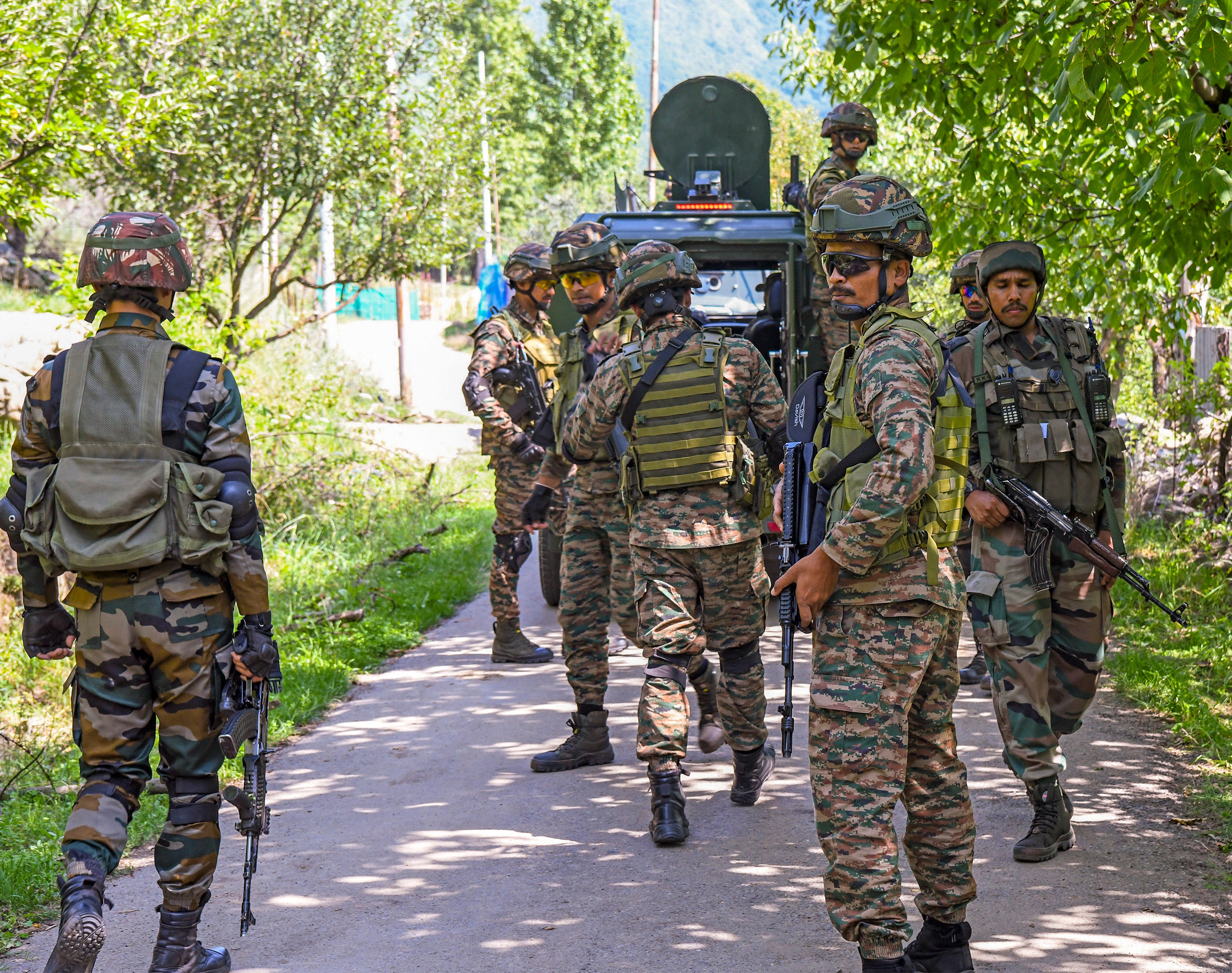
The army said Lt Kamalesan had repeatedly been counselled about the purpose of regimental devotional parades, intended to foster unity, pride and motivation among troops. It maintained that his refusal, despite months of guidance, undermined cohesion and risked lowering morale.
The defence ministry told the court that Lt Kamalesan’s dismissal under the Army Act followed a showcause notice issued in 2019 after he continued to abstain from mandatory ceremonies.
The Supreme Court also declined his request to reduce the penalty on the basis of his previously clean record.
The bench said sending a firm message was necessary to ensure officers respected the sentiments of the soldiers they commanded and to preserve secular discipline within the forces.
When his counsel in the High Court had argued that the officer could have been court-martialled instead, the army responded that they considered such proceedings impracticable because the matter involved questions of religious belief.
In the Supreme Court, the counsel said his client accepted regimental diversity and participated in festivals such as Holi and Diwali, but should not be compelled to perform rituals in a shrine that wasn't associated with his faith
The bench remained unmoved. “Is this sort of cantankerous conduct permissible in a disciplined force?” Chief Justice Kant asked, rejecting the suggestion that one officer’s insistence could justify defying orders tied to regimental practice.
Air India plane crash investigation report does not blame anyone, government says
Police shut down Christmas-themed ‘tantric sex’ retreat after Catholic protests
Inside the unsolved ‘House of Horrors’ mass murder case that rocked India
Inside the lavish billionaire wedding where Jennifer Lopez led a star-packed line-up
Indian woman living in UK detained for 18 hours at China airport over border dispute