Indian authorities are rushing to contain a Nipah virus outbreak after five cases were reported and nearly 100 people quarantined in the eastern state of West Bengal.
Three new infections were reported earlier this week, authorities said, adding to two existing cases of nurses, one male and one female, who had earlier tested positive. The nurses were working at a private hospital in Barasat near the state capital of Kolkata.
The new confirmed cases included a doctor, a nurse, and a health staff member, news wire agency Press Trust of India reported.
Nipah virus, which spreads between animals and people, is classified as a priority pathogen by the World Health Organization (WHO) because of its potential to trigger an epidemic. There is no vaccine to prevent infection and no treatment to cure it.
Nearly 100 people have been asked to quarantine in their homes after the first case came to light on Monday, the government officials said.
People with the latest infections have been admitted to the infectious diseases hospital in eastern Kolkata’s Beleghata, while the earlier ones are still admitted in the Intensive Care Unit at a private hospital.
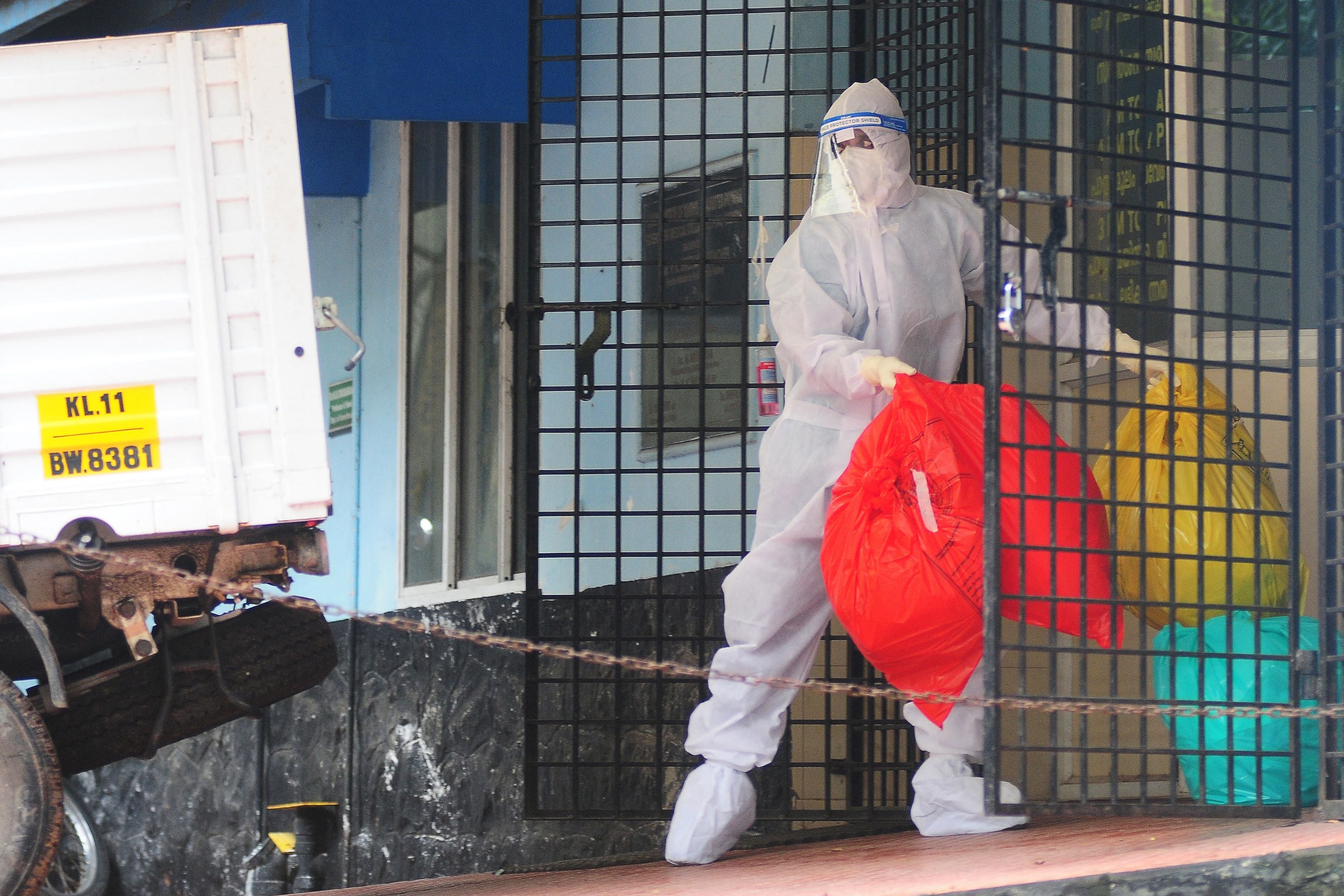
A senior official in the West Bengal health department said, “the condition of the male nurse is improving but the woman patient remains very critical. Both of them are being treated in the ICCU (Intensive Coronary Care Unit)”.
Experts in the country, which has been battling the Nipah virus contagion every year now, have cautioned against the zoonotic nature of the viral infection.
With the virus seen in certain species of bats, Rajeev Jayadevan, the ex-president of Indian Medical Association, Cochin, said the infection among humans are rare and caused by the accidental spillover due to human-bat interface, which means consumption of fruits that could have been infected by bats.
“This is more likely in rural and forest-adjacent areas where agricultural practices increase contact between humans and fruit bats searching for food,” he said.
Nipah has been linked to the deaths of dozens of people in Kerala since its first appearance in the southern state in 2018.
It was first identified in 1998 during an outbreak of an illness among pig farmers in Malaysia and Singapore. The virus is transmitted across species through contact with the bodily fluids of infected bats and pigs, with some documented cases of transmission among humans.
Scientists suspect Nipah has existed among flying foxes for millennia and fear a mutated, highly transmissible strain will emerge from bats.
The highly contagious diseases can also spread through bodily fluids like saliva, urine and blood.
Inside world’s largest renewable energy park – proof the green transition isn’t dead
Von Der Leyen says EU set to sign ‘mother of all deals’ with India on trade
Polish deputy PM abruptly ends interview to cap tense visit to India
China’s birth-rate struggle underscores the ripples of a one-child policy
Air India plane involved in deadly Ahmedabad crash had ‘issues from day one’
Man drowns after emergency responders ‘refused to enter cold water’ to save him