
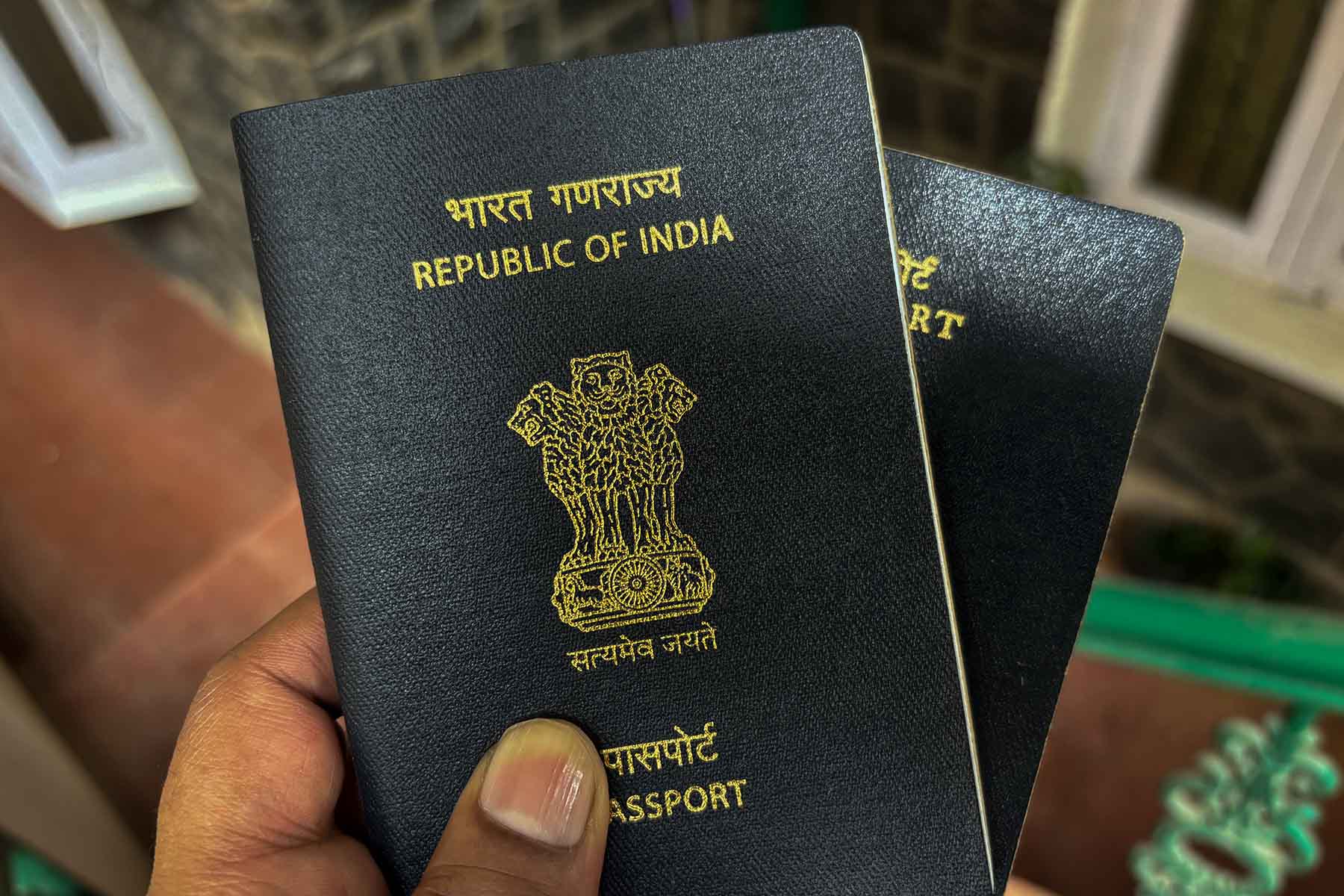
On a cold November morning in 2022, writer and activist Amrit Wilson picked up a letter that arrived at the doorstep of her home in London, UK. The letter, from the high commission of India in London, accused the eighty-two-year-old of “multiple anti-India activities” that were “inimical to the interests of the sovereignty and integrity of India.” The notice did not provide instances or supply proof of such involvement but threatened her overseas citizen of India status. The OCI was created in 2005—under the Citizenship Act, 1955—to allow foreign citizens of Indian origin or foreigners married to Indian citizens to enter India without a visa, reside, work, and hold property, among other benefits. The letter gave Wilson fifteen days to explain why her OCI status, granted to her in 2017, should not be cancelled.
Born in Kolkata, Wilson had come to London in 1961 as a twenty-one-year-old student and stayed on, becoming an active voice on issues of racism and labour rights pertaining to South Asian women. She acquired British citizenship in 2009 and made yearly visits to her home in Delhi and to the state of West Bengal.











