After only a month of teething troubles and loud howls of protest, one of the biggest reforms in India’s capital markets in recent years risks being watered down — if not entirely jettisoned.
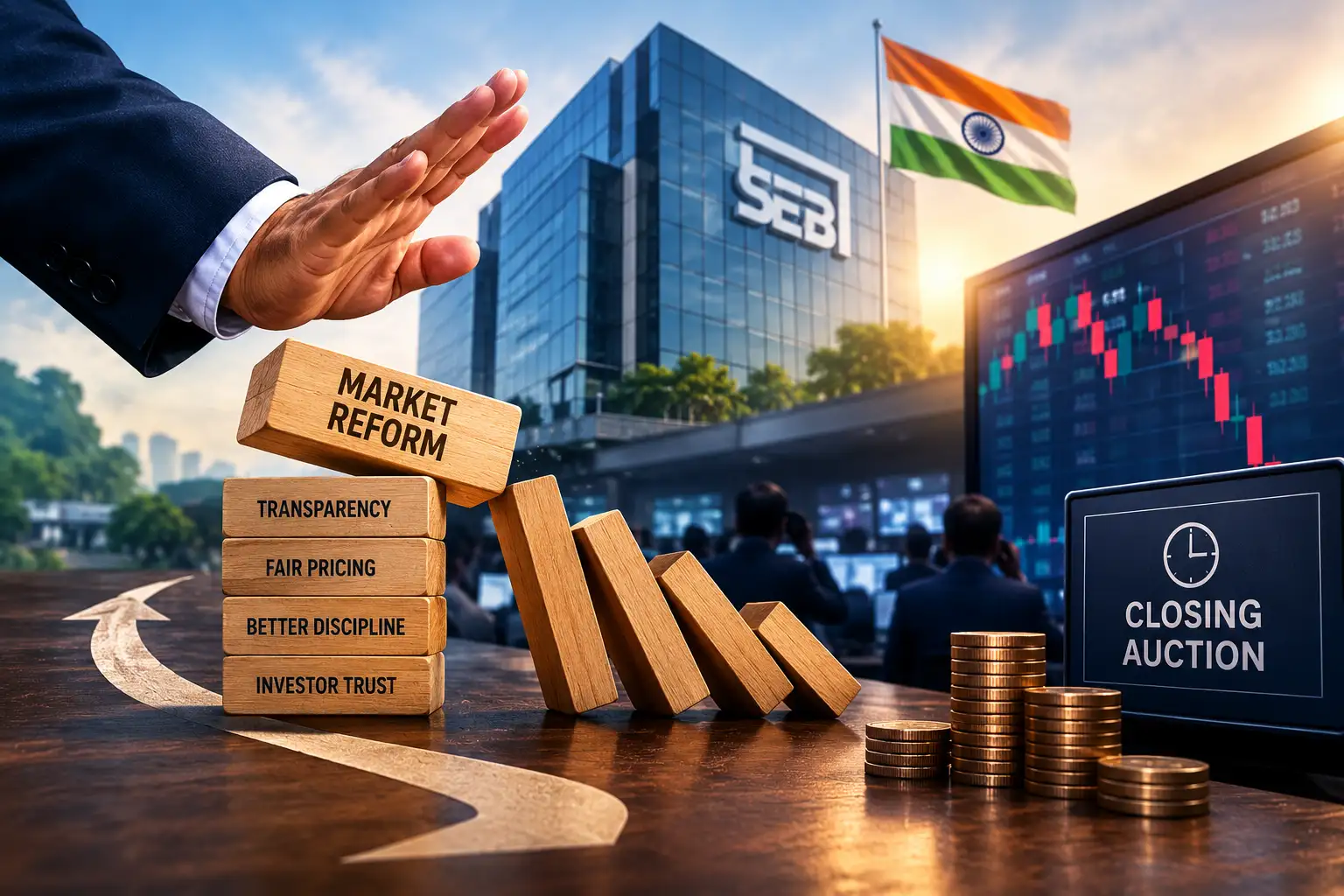
In early August, the Securities and Exchange Board of India directed local bourses to discover end-of-day prices via a final 20-minute auction. This was meant to stop large traders from manipulating closing prices under cover of all-day continuous trading, a strategy known as “marking the close.”

It’s also one of SEBI’s as-yet-unproven allegations against Jane Street Group. The Indian regulator sent ripples across global trading rooms by freezing some of Jane’s index-option profits in June last year, alleging that they came from distorting prices of the underlying stocks. The New York market maker has denied the allegations as a fundamental misreading of its strategy and is pursuing an appeal before a tribunal.
But apart from adopting a more aggressive stance against Wall Street heavyweights, what could SEBI do to make the cash market more honest? The regulator rightly judged that policing alone wouldn’t suffice. Manipulation had to be nipped at the source.
The stakes are high. For some years now, authorities have been alarmed by India’s rise as the world’s largest options trading venue. The boredom of pandemic lockdowns had unleashed a wave of thrill-seeking behavior among individual investors globally, aided by zero-brokerage apps and short-expiry derivatives. In India, reckless speculation continued long after Covid-19, with the notional volume of equity derivatives trading peaking at a staggering $6 trillion in February 2024.
With nine out of 10 retail investors losing money trading derivatives, the whole craze was threatening to become a social menace, especially among younger men. As the wait for white-collar jobs kept getting longer, they had all the time in the world — and access to social-media “finfluencers” — to splurge on leveraged bets they couldn’t afford. While curbing retail speculation, the regulator began to probe if Big Whales were guaranteeing the success of their options trades by rigging the much smaller and less liquid cash-equity market.