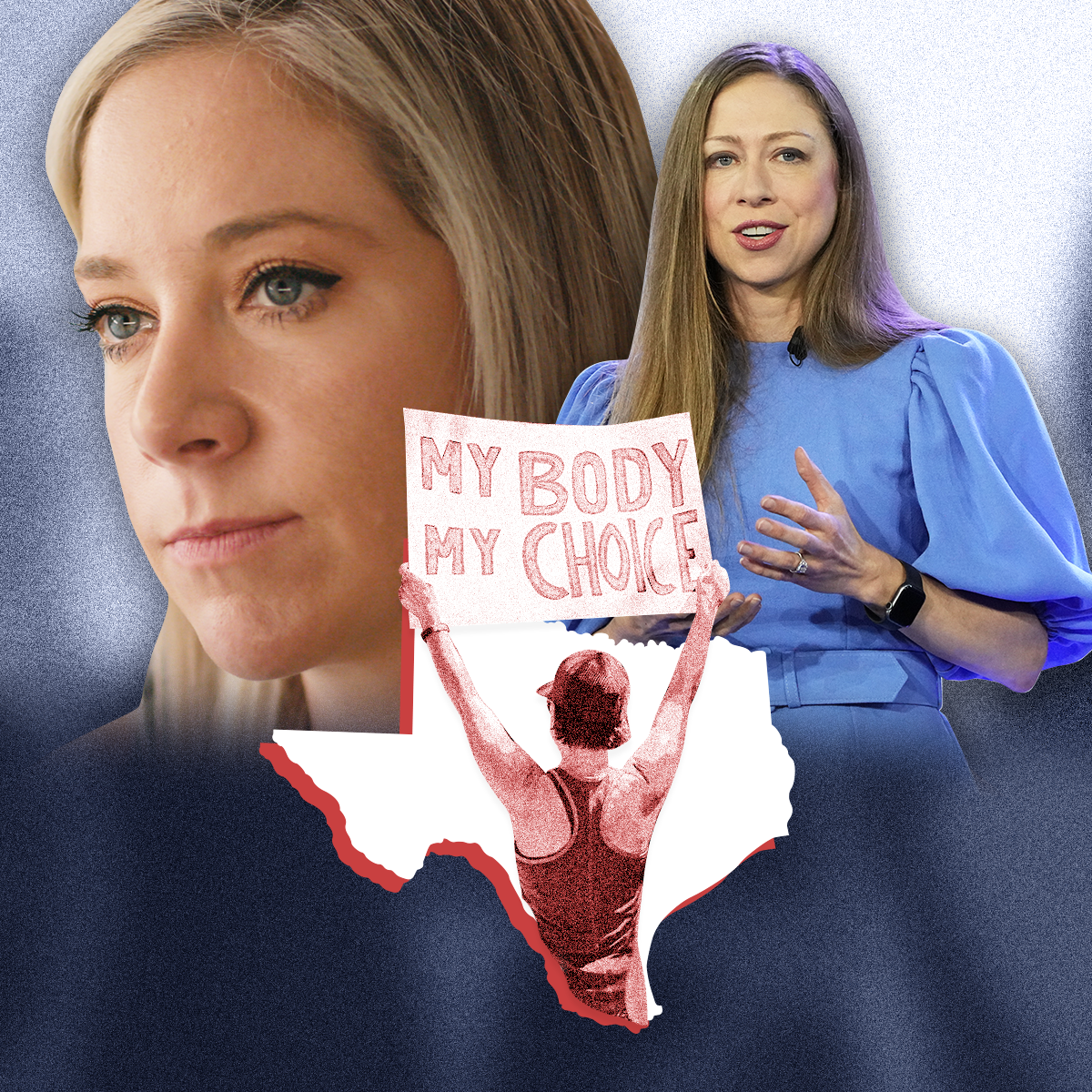
In August 2022, Amanda Zurawski, who was pregnant with a baby girl after months of fertility treatments, learned her water had broken prematurely at 18 weeks. Her pregnancy was no longer viable. Abortion was the standard treatment of care, but because the Supreme Court had overturned Roe v. Wade less than two months prior in June 2022, Texas, where Zurawski lives, had banned abortion except in cases where the procedure is necessary to save the patient’s life. (The law contains language that critics argue is incredibly vague.) So Zurawski, then 35, wasn’t able to receive an abortion until she went into septic shock and was therefore in danger of losing her life; that was three days after she learned her baby would not survive.
After the harrowing experience of losing her baby, a girl she named Willow, and nearly losing her own life, Zurawski also learned that she may never be able to get pregnant again. If she had been able to receive an abortion earlier, her fertility might not have been compromised.