Get all your news in one place.
100's of premium titles.
One app.
Start reading
The Times of India
The Times of India
World
TOI World Desk

In the early 1900s, the USDA distributed torpedograss as cattle feed; its torpedo-shaped roots later invaded southern wetlands and waterways

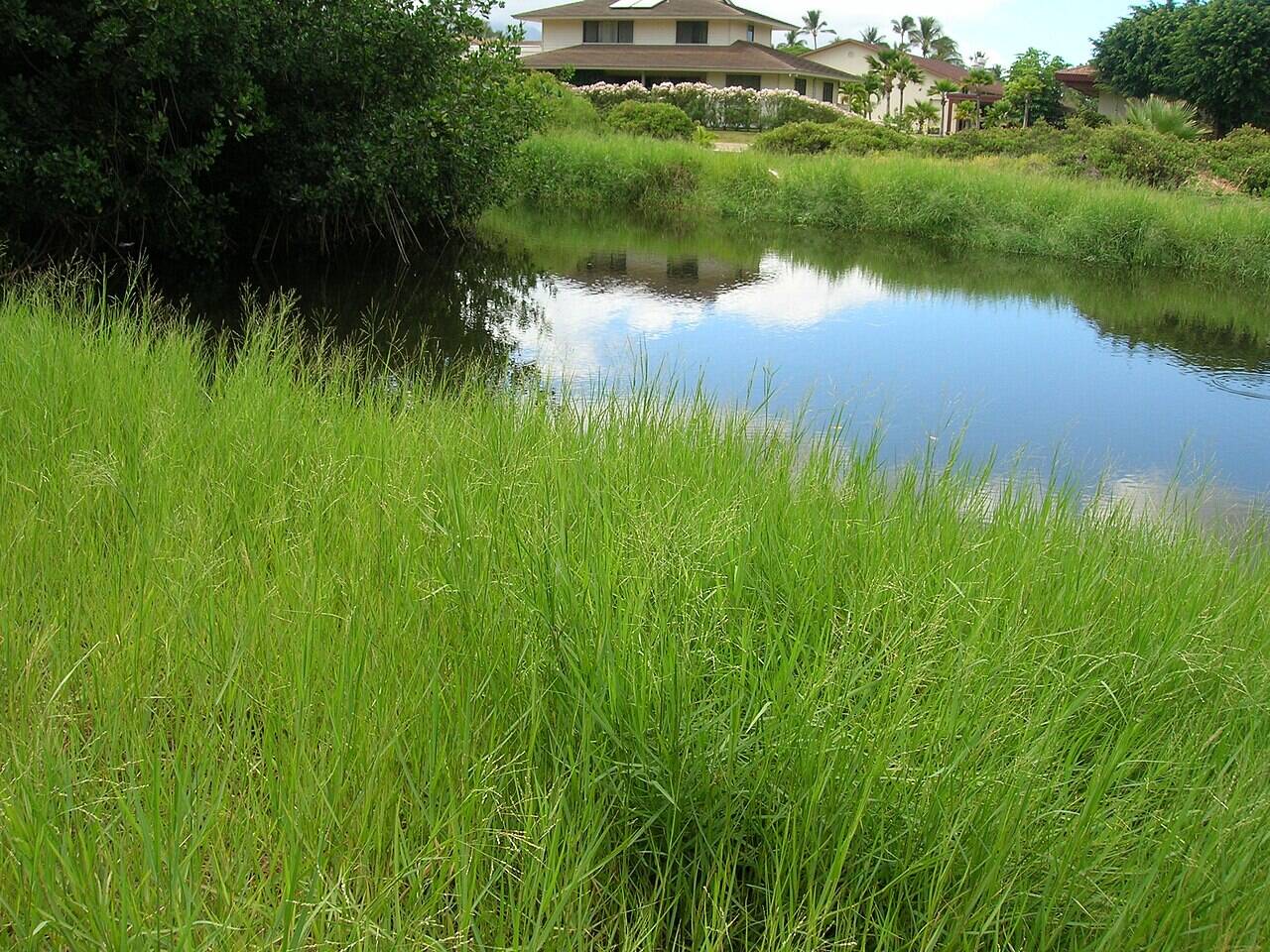
A grass that was once promoted for agricultural use has since become a persistent invasive plant across parts of the southern United States. Today, torpedograss is found in wetlands, marshes, canals, lakes and riverbanks, where it spreads rapidly, competes with native vegetation and becomes difficult to manage once established.

Get breaking news anytime, anywhere. Download the TOI app now!

The US Fish and Wildlife Service's Ecological Risk Screening Summary for Torpedograss explains how the species expanded within the United States after the US Department of Agriculture distributed it more widely during the early 1900s for use as livestock forage. According to the assessment, the species has biological traits that allow it to spread efficiently, survive under different environmental conditions and form dense stands once established. These characteristics have contributed to its continued spread across suitable habitats in the southern United States.

Although torpedograss was introduced because of its value as forage, the same qualities that made it attractive for agriculture later allowed it to spread into waterways and wetlands. The assessment describes the species as a high ecological risk because it can establish, persist and spread in suitable environments.

How torpedograss spread beyond pastureland

Torpedograss, or Panicum repens, is native to parts of Africa, Europe and Asia. As per the US Fish and Wildlife Service's Ecological Risk Screening Summary, the species had already been introduced into the United States before 1876. The assessment notes that the US Department of Agriculture later distributed the grass more widely during the early twentieth century for forage, allowing it to become established across additional parts of the southern United States.

One defining feature is its torpedo-shaped underground rhizomes, which give torpedograss its common name. Instead of depending mainly on seeds, the grass spreads through these underground stems. Even small rhizome fragments left in the soil can produce new plants, making the species difficult to remove once it has become established.

The report explains that these underground stems also help the grass spread when soil, water or machinery moves rhizome fragments from one location to another. Floodwaters and routine land management activities can unintentionally transport these pieces into new areas, where they are capable of growing into fresh colonies.

Another reason for its continued expansion is its ability to grow under a variety of environmental conditions. The assessment notes that torpedograss can establish in both wet and relatively dry habitats. As a result, it can grow along the edges of lakes, ponds, marshes, canals and drainage systems, as well as in some agricultural landscapes.

Because of these characteristics, the species has become established across much of the southeastern United States, particularly in warm regions where climatic conditions support its growth.

Why it has become difficult to manage

According to the U.S. Fish and Wildlife Service assessment, torpedograss often forms thick stands that can replace existing vegetation. As these dense patches expand, they can crowd out native plant species. Dense growth may also interfere with the normal use of waterways, including navigation and water management in some locations.

Torpedograss also grows outside natural habitats, including agricultural areas, where its ability to spread through underground rhizomes can make control more challenging. Simply removing the visible shoots is often not enough because rhizomes remaining beneath the soil surface can produce new growth.

The US Fish and Wildlife Service assessment indicates that established infestations can be difficult to control because rhizomes remaining beneath the soil surface are capable of producing new shoots, meaning repeated management efforts may be needed. The assessment discusses a combination of approaches, including herbicide application and mechanical control, while noting that complete removal can be difficult once large infestations have developed.

According to the US Fish and Wildlife Service assessment, limiting the movement of rhizome fragments into unaffected areas is important because they can be carried in contaminated soil, water or equipment and establish new infestations. Cleaning equipment, limiting the transport of contaminated soil and identifying new infestations early can help reduce further spread before the grass becomes firmly established.

Torpedograss illustrates how an introduced forage plant can become a long-term environmental problem after escaping cultivation.

Sign up to read this article
Read news from 100's of titles, curated specifically for you.
Already a member? Sign in here
Related Stories
Top stories on inkl right now
Our Picks
Fourteen days free
Download the app
One app. One membership.
100+ trusted global sources.