Get all your news in one place.
100's of premium titles.
One app.
Start reading
The Economic Times
The Economic Times

In the 1990s, Disney bought 8,500 acres of Florida ranchland slated for commercial projects; decades later, it forms the core of an 11,500-acre wildlife preserve

In the early 1990s, an 8,500-acre cattle ranch in Central Florida was facing a very different future. Known as Walker Ranch, the property was slated for extensive residential and commercial development that could have destroyed its wetlands and wildlife habitat.

Instead, The Walt Disney Company bought the entire property and donated it to The Nature Conservancy (TNC), helping create what would become the Disney Wilderness Preserve.
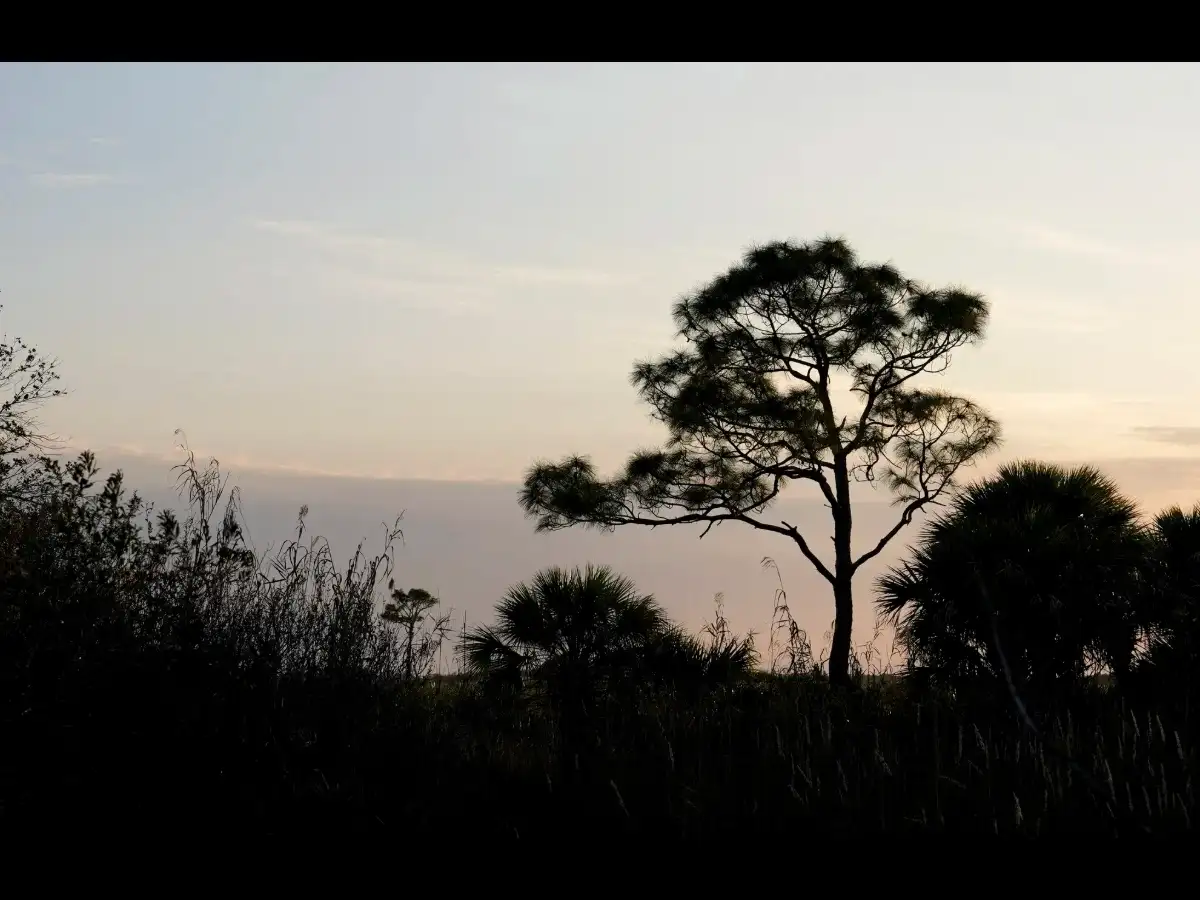
The ranch sat at the head of the greater Everglades watershed and contained rare upland habitat, wetlands and areas bordering Lake Russell. Conservationists considered the property important because development could have eliminated habitats for endangered plants and wildlife.

Disney's decision was also tied to the expansion of Walt Disney World and the planned community of Celebration. Rather than offsetting development through smaller parcels scattered across other properties, the company pursued a larger conservation project away from the areas being developed.

Disney worked with TNC, the State of Florida and other groups to purchase Walker Ranch and transfer it to TNC for wetland restoration and conservation.

The project became one of the earliest and largest wetland mitigation efforts in the US. Disney also provided restoration funding through annual payments, an endowment for operations and support for a visitors center and learning facility.

The preserve grew further over the years. In 1995, the Greater Orlando Aviation Authority added another 3,000 acres as part of mitigation for airport expansion.

Then, in 2014, Disney bought another 3,000 acres bordering the preserve, preventing the property from being developed into housing and beginning restoration work there.

The conservation effort ultimately helped create an 11,500-acre protected landscape in Central Florida.

What began as an effort to offset development became a long-term conservation project, with wetlands and wildlife habitat protected instead of being replaced by homes and commercial development.

The Disney Wilderness Preserve is now regarded as a model for using large-scale conservation to offset the environmental impact of development.

Sign up to read this article
Read news from 100's of titles, curated specifically for you.
Already a member? Sign in here
Related Stories
Top stories on inkl right now
One subscription that gives you access to news from hundreds of sites
Already a member? Sign in here
Our Picks
Fourteen days free
Download the app
One app. One membership.
100+ trusted global sources.