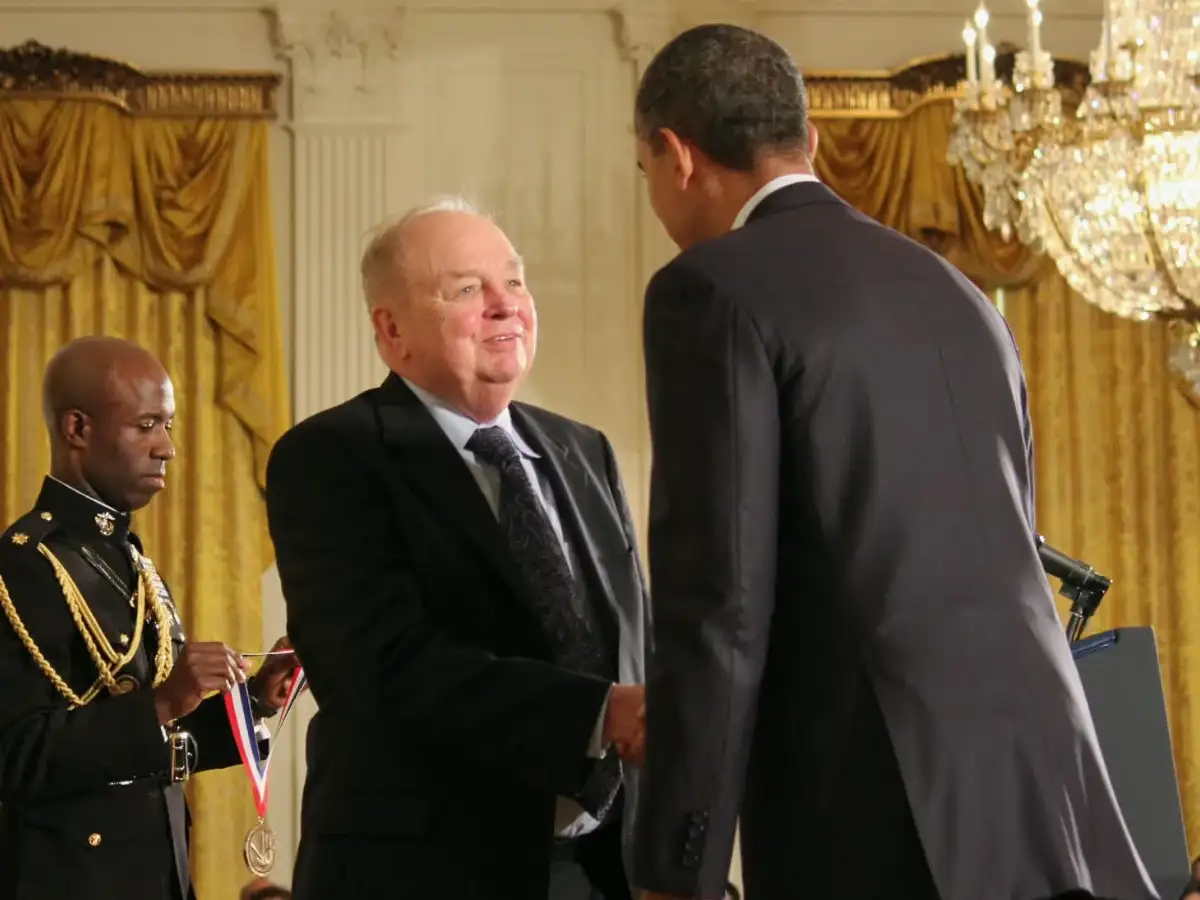
Modern life is full of notifications: delivery alerts, streaming recommendations, battery warnings and more, most of which do not have a significant impact. The opposite has long been true in aviation, namely, that an alert should hint at a critical moment, and then it should be as brief, specific, and clear as possible. According to the National Inventors Hall of Fame, engineer C. Donald Bateman came up with the idea for the Ground Proximity Warning System (GPWS) in the 1960s after several fatal crashes, when airline owners decided to find a way for pilots to know when they were flying too low or near a mountain.
In turn, the same National Inventors Hall of Fame website reports that Bateman’s creation issued warnings whenever the aircraft was in danger of flying too low or over water. Meanwhile, Smithsonian’s Air & Space magazine adds that the system’s announcement changes depending on the height: from “Sink rate” to “Pull up” if the pilot does not correct the situation in time. For a person used to receiving dozens of notifications a day, Bateman’s invention is an example of how notifications can be formulated so that they contain as much information as possible while remaining concise and unobtrusive, even though, the earliest hardware took years to live up to that design goal.