
Get all your news in one place.
100's of premium titles.
One app.
Start reading
The Times of India
The Times of India
World
TOI World Desk

In the 1920s, Washington introduced mountain goats for hunting; the herd grew and damaged rare alpine plants and soils

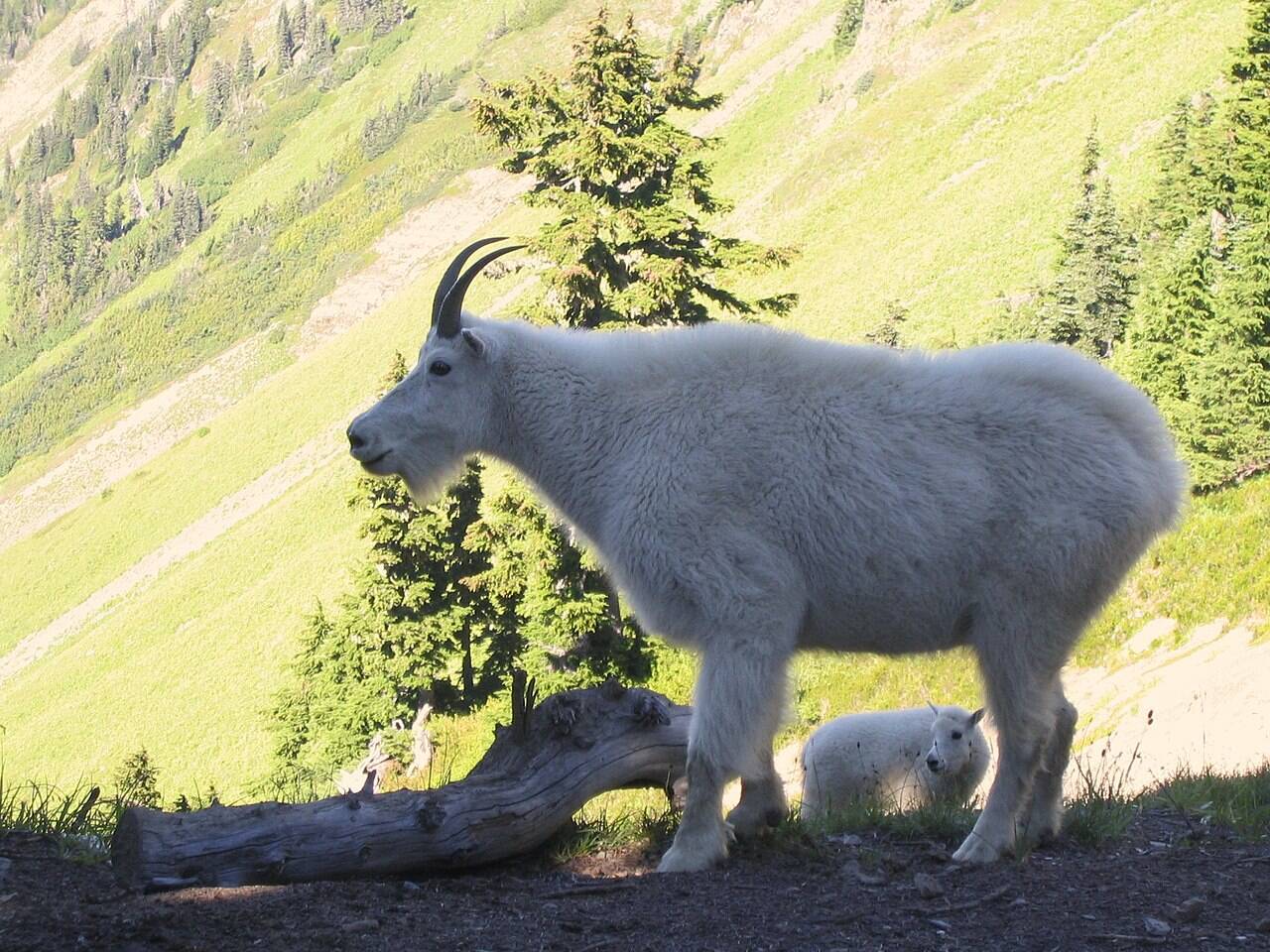
In Washington State’s Olympic Mountains, a wildlife decision made more than 80 years ago has created a conservation challenge. According to The National Park Service report , in the 1920s, mountain goats were introduced into the area in order to develop a herd that could be hunted by humans. Although the goats were able to adapt to their new habitat, their increasing numbers also created stress on the alpine ecosystem.

Get breaking news anytime, anywhere. Download the TOI app now!

The National Park Service report examined how these introduced animals spread across the Olympic Mountains and how they affected the ecosystem. The research documented the history of mountain goat introductions between 1925 and 1929 and studied their behaviour, habitat use, population changes and effects on vegetation and soils. The report became an important example of how introducing a species for human use can create ecological problems decades later.

The mountain goat is well adapted to steep mountain terrain. The animal's excellent climbing skills enable it to negotiate the slopes and thrive in places where most other large mammals cannot survive. Nevertheless, the Olympic Mountains had evolved without the presence of the mountain goat for thousands of years. This means some plants in the area had not evolved alongside grazing or disturbance from mountain goats.

When an introduced species enters a fragile ecosystem

The alpine areas of Olympic National Park are particularly fragile because high-altitude vegetation faces harsh growing conditions. This is because growing seasons are short and nutrients are limited.

The National Park Service research found that mountain goats influenced these environments through grazing, trampling and soil disturbance. Their feeding behaviour affected some native plant communities, including species with limited distribution in the Olympic Mountains. The report also noted that goats repeatedly used certain areas, creating trails and wallows that altered the ground surface.

Soils in mountain ecosystems are important because they support plant growth and help sustain fragile habitats. Repeated movement by large animals can disturb these soils, exposing bare areas and affecting the ability of some plants to establish themselves. The report examined these changes and highlighted that mountain goats were contributing to ecological impacts in areas where sensitive vegetation was present.

Researchers also studied changes in plant communities by comparing areas with different levels of mountain goat activity. Their observations helped show that the effects were not limited to individual plants being eaten. The presence of goats could influence the wider habitat by changing vegetation cover and disturbing the ground.

Nevertheless, the study acknowledges that mountain regions are affected by various factors. Changes in the climate, disturbances and other environmental changes might also affect alpine environments. The study did not suggest that mountain goats were the only factor affecting plant life and soil in Olympic National Park. Rather, introduced goats were one of the factors affecting Olympic National Park.

The conservation lessons of Olympic Mountains

The introduction of mountain goats into Washington State, primarily to provide hunting opportunities, illustrates how difficult it can be to manage introduced species. At the time, the impact on local plants and alpine habitats was not yet clear.

Over the years, scientists and park managers studied different aspects of the goat population, including where the animals moved, how they used the landscape and what impacts they had on sensitive habitats. The findings helped guide decisions about protecting the ecological character of Olympic National Park.

Around the world, conservationists have found that introduced species can sometimes compete with native wildlife, alter habitats or put pressure on species that are already adapted to specific conditions. Understanding these effects requires long-term observation and careful research.

Nearly a century after mountain goats were first brought into Washington State’s Olympic Mountain region, there is much to learn from their history. In conservation, changes should be assessed in the context of the entire ecosystem.

Sign up to read this article
Read news from 100's of titles, curated specifically for you.
Already a member? Sign in here
Related Stories
Top stories on inkl right now
One subscription that gives you access to news from hundreds of sites
Already a member? Sign in here
Our Picks
Fourteen days free
Download the app
One app. One membership.
100+ trusted global sources.







