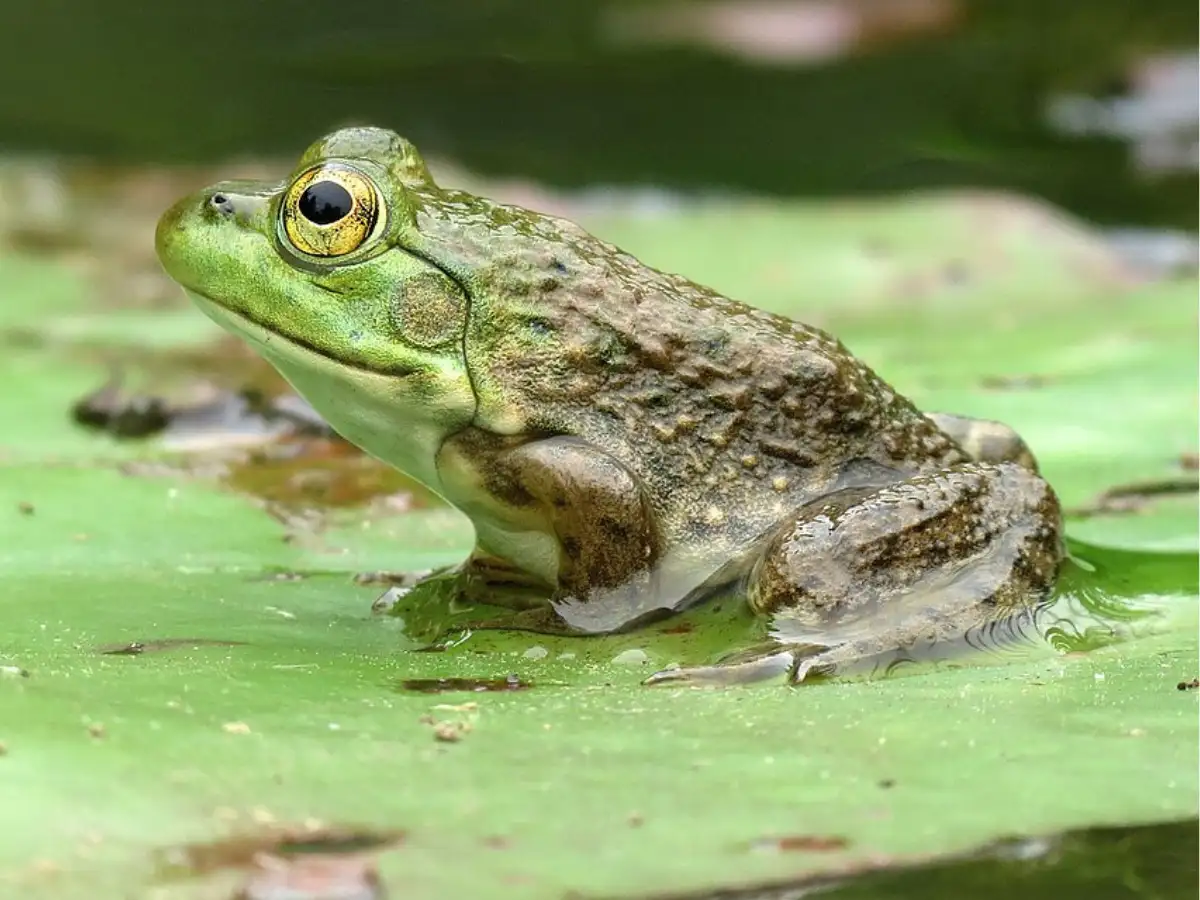
Roughly a century ago, Arizona wildlife officials set out with a simple goal: give hunters and anglers something new to catch and eat. Beginning in the 1920s and continuing at least until 1982, the state’s game department stocked lakes and rivers with American bullfrogs in hopes that frog legs would become a popular local dish, according to the Tucson Herpetological Society. That decision has become one of the biggest threats to the northern Mexican gartersnake, a shy, water-loving reptile that once thrived across the American Southwest, according to an assessment by the U.S. Fish and Wildlife Service. Almost a century later, the frogs are still spreading, and the snake is still losing ground.
A food craze that got out of hand