For decades, the oyster shells left behind at seafood restaurants around Galveston Bay went straight into the trash. Today, many of those same shells end up stacked into mesh bags and lowered into the bay, where they form the foundation of new reefs. This shift, small in concept but large in scale, has become one of the more closely studied habitat restoration efforts on the Texas coast.
Hurricane Ike’s 2008 sediment burial damaged or destroyed roughly 60% of Galveston Bay’s oyster reefs

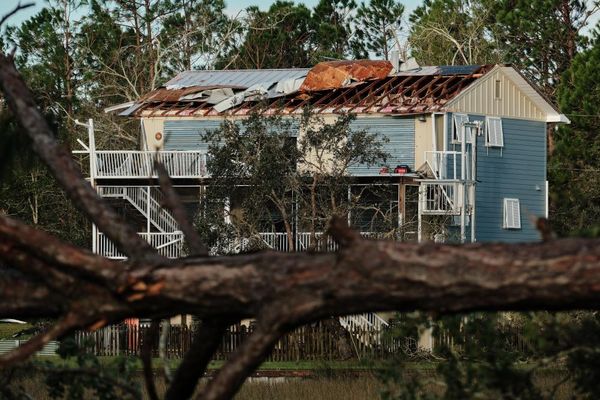
Galveston Bay was once the backbone of the Texas oyster industry. Before 2008, Galveston Bay supplied the large majority of Texas’s commercial oyster harvest, with TPWD and other coastal program documents estimating roughly 70-80% of state landings coming from the bay. This lasted until Hurricane Ike struck in 2008, when, as Texas Parks and Wildlife reported, the storm’s surge deposited thick layers of silt across the bay floor, burying the hard surfaces that oyster spat need to attach to and settle on. Post‑Ike assessments by Texas Parks and Wildlife and the Texas General Land Office placed reef damage in Galveston Bay at roughly 50-60%, with some estimates reaching 60% or higher, while global syntheses of oyster reef status estimate that more than 85% of historic oyster reef habitat has been lost worldwide. The destruction left too few hard surfaces for oyster larvae, or spat, to settle on because old shells provide the best substrate.
GBF's shell recycling program has collected more than 1,300 tons since 2011
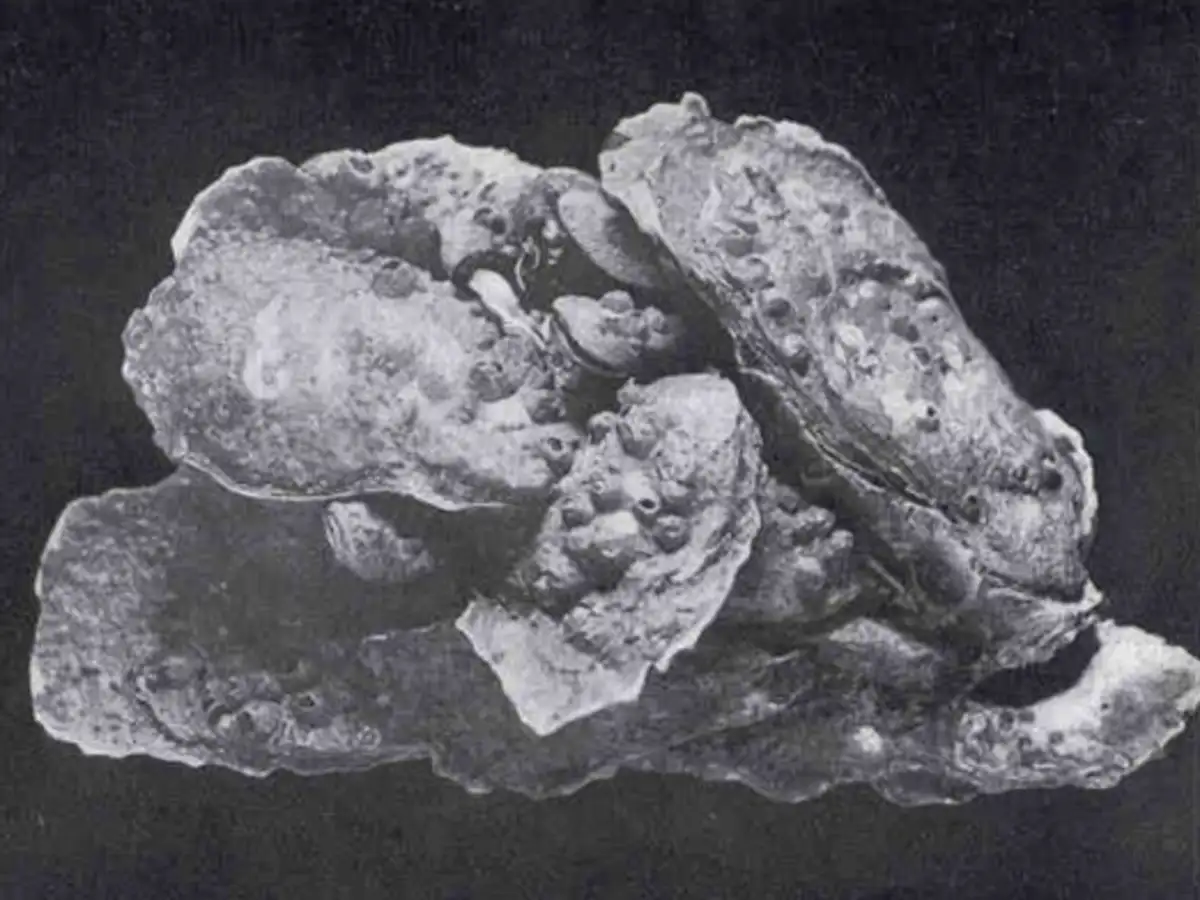
In order to overcome the problem of shell disposal, the Galveston Bay Foundation decided to change the perspective regarding the shucked oysters’ shells from being waste products to becoming recycled habitat material. The meat of most of the oysters that are found in Gulf Coast restaurants comes from other Texas bays or from out-of-state sources rather than Galveston Bay itself, thus eliminating any dependence on the already depleted Galveston Bay stocks for the shells required for restoration. This initiative started with collaboration between one restaurant located in Clear Lake and continued to include numerous restaurants and shell storage facilities, according to the Texas General Land Office description of the Galveston Bay Oyster Shell Recycling Program. Shells are collected from the restaurant once a week, then transported ashore, where volunteers use them for oyster gardening, leaving the shells out in the sun for roughly an hour to an hour and a half before returning them to the water. According to updates from the Galveston Bay Foundation reported in the Galveston Bay Report Card, the total amount of shell material recycled since 2011 equals more than 1,300 tons (approximately 2.6 million pounds), which has been used for community oyster gardening and larger reef‑building projects.
Since 2014, bagged shell has built breakwater reefs at Sweetwater Lake
However, the most closely monitored use of this recycled material is at Sweetwater Lake, an artificial embayment in West Galveston Bay, where shoreline erosion has been eating away at the marsh for years. According to a study conducted at this location, researchers found that the shoreline had been receding by approximately 1 to 2 feet per year since the early 1990s, a trend reported in Localized Placement of Breakwater Reefs Influences Oyster Populations and Their Resilience after Hurricane Harvey, published in the journal Ecological Applications.