Italy is in the grip of a housing crisis, and has been for years. It’s not as if the problem had gone unnoticed. There has been no shortage of articles in the national – or even international – media over students’ struggle to access affordable accommodation. Over the past days they have taken to pitching tents outside university buildings, as part of a growing protest movement against high rents. Begun by Ilaria Lamera, an engineering student at Milan Polytechnic who found it impossible to find a room under 600 euros, the demonstration has since spread to Milan, Rome, Florence, Bologna, Padua and Cagliari.
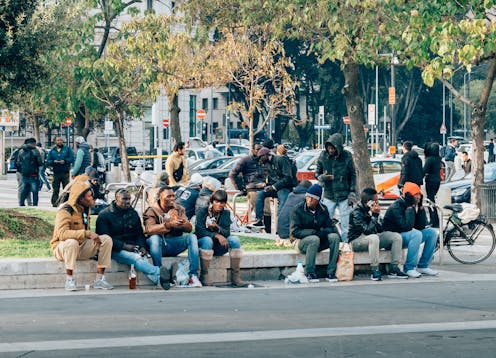
In Bologna, where I am writing from, rising student numbers and Airbnb rentals have snatched away the prospect of a home for many. But young adults are also grappling with another, less publicised issue: that of the ongoing racism toward those construed as ‘foreign’ or ‘other’. The phrase ‘no foreigners’ is a common refrain when looking for rental accommodation in Bologna. This racial discrimination is normalised by estate agents. It is presented as if it were a form of ‘eligibility’ criteria for landlords, like a requirement for an employment contract and references. As if it were totally normal and acceptable for landlords not to want to rent to ‘foreigners’, by which they mean those who are racialised, and not me, as a white British woman - also a ‘foreigner’. Sometimes, this is made even clearer. For example, a housing volunteer at a local charity assisting migrants was told by an estate agent: “Madam! You should have told me you were asking on behalf of an African! We don’t rent to Blacks here”, after she arrived at a flat viewing together with a young Black African man.