Just what is Germany’s Zeitenwende, the latest coinage in a language famous for its compound nouns? The “change in times” announced by the chancellor, Olaf Scholz, in the aftermath of Russia’s invasion of Ukraine last year rolled like a thunderclap across a country that, since unification in 1990, had flourished on the benefits of the post-cold-war peace dividend, its status as Europe’s powerhouse economy and being de facto regulator of the single currency, calling the shots in eurozone squeezes.
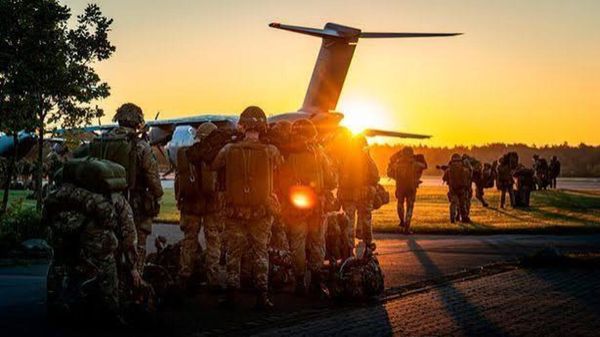
For obvious reasons of 20th-century experience, today’s federal republic is an entity more comfortable with its role as a proponent of restraint and cautious multilateralism than decisive action. The Ukraine crisis blew up that placidity, leaving it internally fraught on how to respond and at what cost. Last week, a newspaper leak revealed that a pledge by Scholz to supply a fully equipped army division to Nato in response to Russia’s war on Ukraine by 2025 is coming unstuck. A memo from the head of the army cast doubt on whether his forces could “hold its own in high-intensity combat”, saying it will only be able to “fulfil its obligations to Nato to a limited extent” (a masterful understatement in the context).