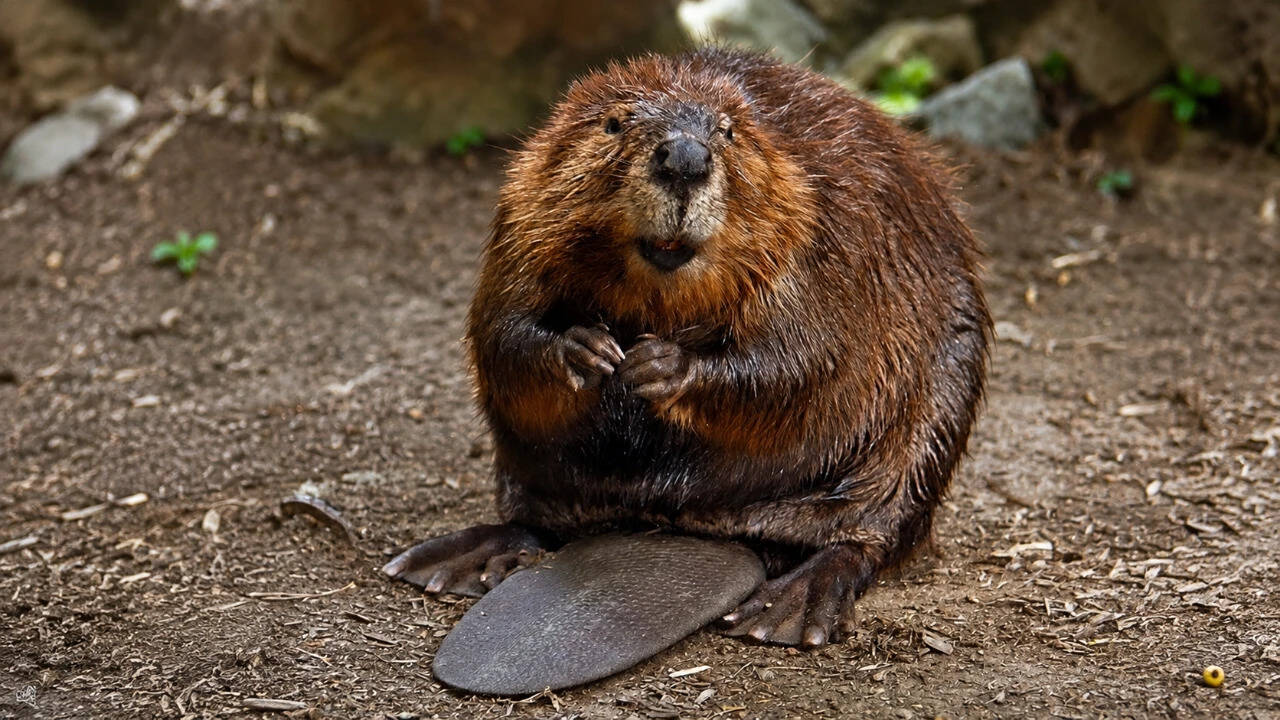
For nearly two decades, there was no sign of beavers along Strawberry Creek in Great Basin National Park. Then, in 2024, park staff discovered evidence that one had returned, several quaking aspen trees had been freshly cut down beside a beaver dam analogue, a human-built structure designed to imitate the ecological effects of a natural beaver dam. The discovery was particularly encouraging because the nearest known active beaver dams were more than five miles downstream. The animal apparently travelled a considerable distance before reaching the restored section of the creek. Even more remarkably, the beaver began using a landscape that humans had deliberately prepared to perform some of the functions beavers naturally provide. The National Park Service described the discovery as the first sign of the species in Strawberry Creek in 19 years. Although the animal apparently moved on without building a lodge, its arrival offered an unexpected indication that restoration was creating conditions suitable for a natural ecosystem engineer. Its brief presence also suggests that carefully designed restoration can help reconnect wildlife with habitats where natural populations have long been absent. The episode also highlights the unpredictable nature of restoration. Scientists can rebuild habitat and create conditions that resemble those produced by beavers, but they cannot determine when wildlife will return. In this case, the beaver’s arrival provided an encouraging sign that the creek was becoming ecologically functional again.
Get breaking news anytime, anywhere. Download the TOI app now!