For years, the Amazon rainforest was widely described as a pristine wilderness with no large-scale human settlement before European colonization. That description has been challenged by a growing body of research, including a 2023 study that used machine learning to identify likely locations of undiscovered archaeological sites in the southern Amazon basin. Researchers from the University of Missouri and the University of Tulsa used a random forest algorithm, a machine-learning method, to identify environmental patterns associated with known ancient settlements, then used those patterns to flag unsurveyed areas likely to contain similar sites. What exactly did the model find
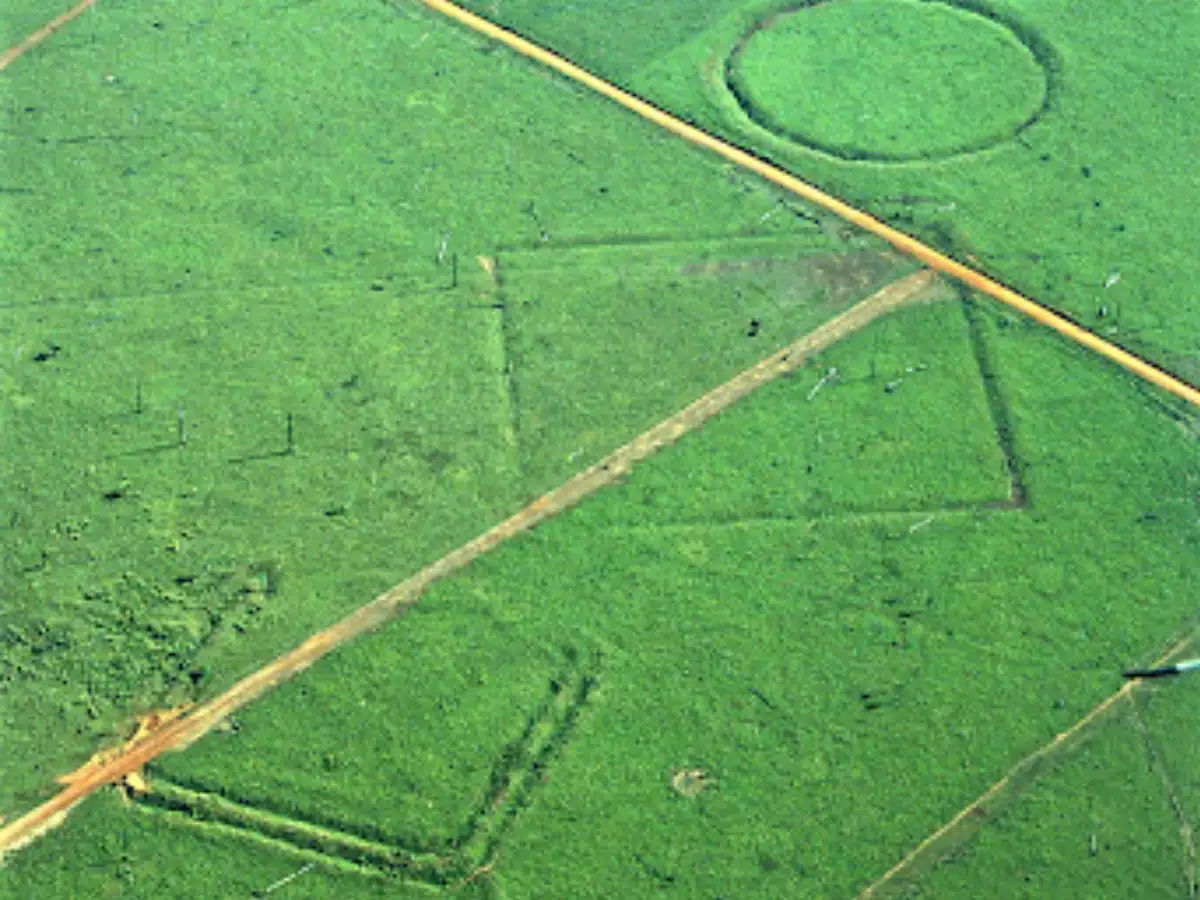
The study identified 13 previously unknown geoglyphs, including a circular earthwork measuring 444 metres in diameter. The 2023 peer-reviewed study, titled "Predicting the geographic distribution of ancient Amazonian archaeological sites with machine learning," was conducted by researchers at the University of Missouri and the University of Tulsa and published in the journal PeerJ. According to the study, its best-performing model achieved an area under the curve (AUC) of 0.91 and an overall classification accuracy of 88 percent when tested with spatial cross-validation, figures the earlier draft rounded imprecisely to "91% accuracy.