
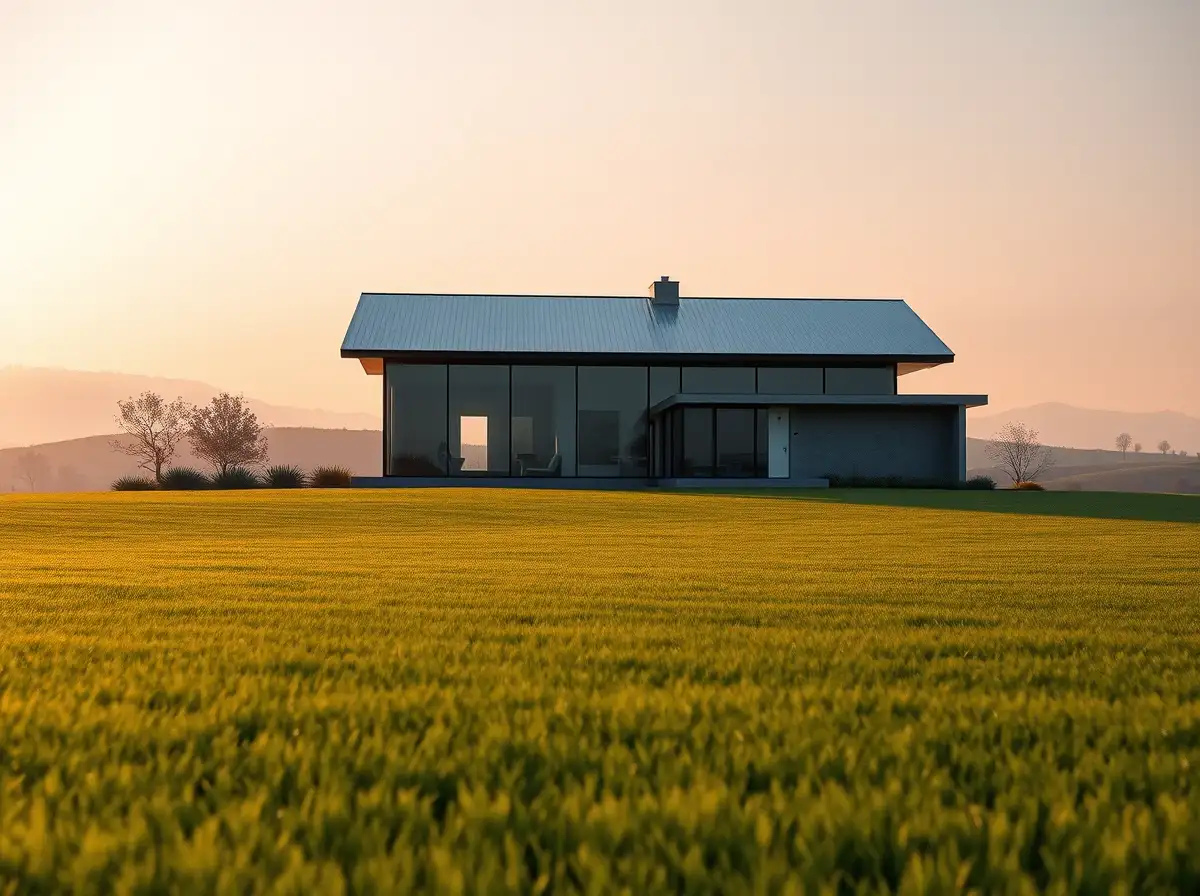
As rising temperatures, extreme weather, and soaring energy bills continue to challenge households across the United States, scientists are searching for smarter ways to keep buildings comfortable without increasing energy consumption. One of the most promising breakthroughs emerged from Lawrence Berkeley National Laboratory (Berkeley Lab) in 2021, when researchers developed an innovative “smart roof” coating capable of automatically adapting to changing temperatures. Unlike traditional roofing materials that either trap heat or reflect it year-round, this new technology can switch its thermal behavior when temperatures reach approximately 67°C (153°F), helping homes stay cooler in summer and warmer in winter. The result is a potentially transformative energy-saving solution that could reshape the future of sustainable housing.
The technology, known as Temperature-Adaptive Radiative Coating (TARC), addresses a long-standing problem in the building industry. Conventional cool roofs are designed to reflect sunlight and release heat, reducing air-conditioning costs during hot months. However, those same roofs continue releasing heat during colder weather, increasing heating demands and energy expenses. Berkeley Lab researchers recognized that a truly efficient roof should behave differently depending on the season. Their solution was a coating that automatically adjusts its heat-radiating properties without consuming electricity, natural gas, or any external energy source.















