Get all your news in one place.
100's of premium titles.
One app.
Start reading
The Times of India
The Times of India
World
TOI World Desk

In 2020, California placed more than 70,000 tons of rock on a sediment-covered seafloor; four years later, fish biomass across the restored reef complex had risen 166%

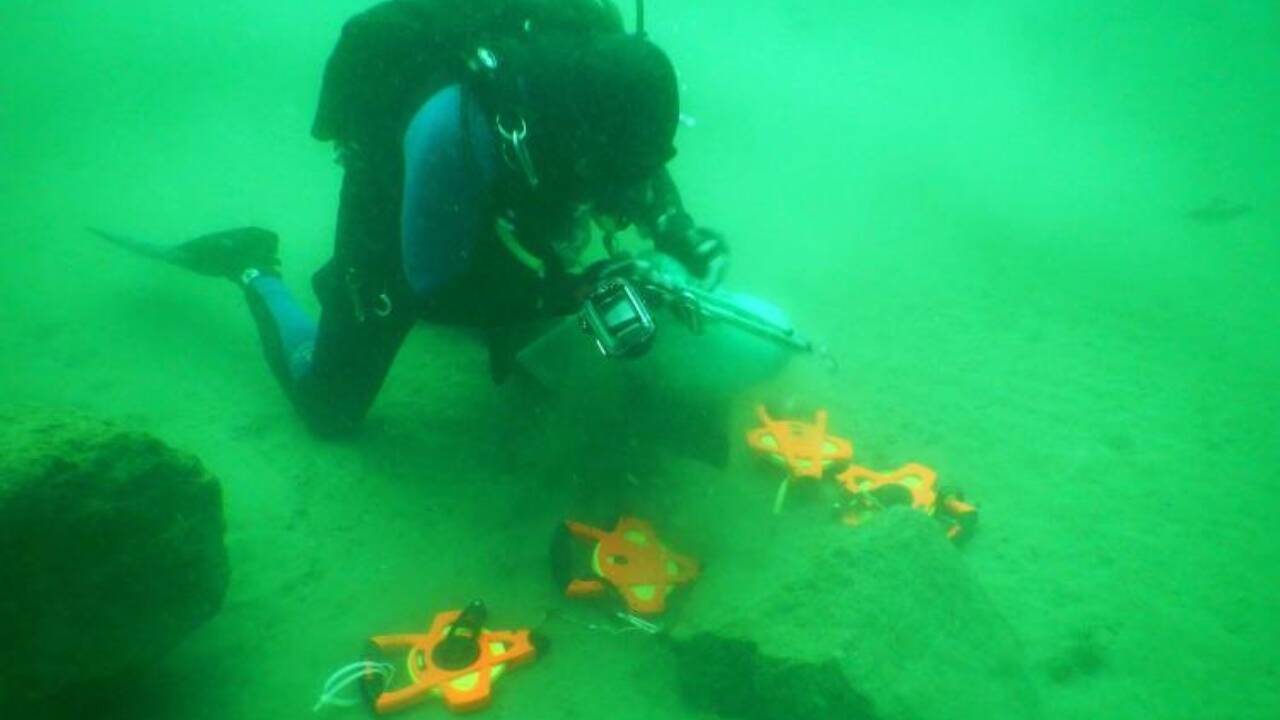
Beneath the waters off California’s Palos Verdes Peninsula, a vast ecological experiment has quietly transformed one of the state’s most damaged marine habitats. In 2020, scientists and engineers dropped more than 70,000 tons of quarry rocks onto a sediment-covered stretch of the Pacific seabed to recreate the rocky reef habitat that was once present and had been buried by decades of landslides and contaminated by historical DDT and PCB pollution. According to NOAA Fisheries , monitoring after four years showed that the restored reef had exceeded expectations, with fish biomass across the entire reef complex increased by 166%, thus highlighting how carefully designed habitat restoration can rapidly revive marine ecosystems.

Get breaking news anytime, anywhere. Download the TOI app now!

Rebuilding a reef from the seafloor up in California

According to NOAA Fisheries, the Palos Verdes Reef Restoration Project was created as a part of the Montrose Settlements Restoration Program, which compensates for decades of environmental damage that was caused by industrial discharge of DDT and PCB into Southern California’s coastal waters. Notably, between May and September 2020, construction crews placed quarry rock in 18 engineered reef modules that covered more than 20 acres of the seafloor. Researchers from the Vantuna Research Group and the Southern California Marine Science Institute were in charge of designing the reef. The scientists modelled the structures on nearby natural reefs, incorporating crevices, channels and varied elevations to provide shelter for fish while also reducing sediment accumulation.

According to NOAA Fisheries, the project sought to restore habitat that had largely disappeared after the sharp kelp forest decline during the mid-20th century. Additionally, NOAA Fisheries noted that healthy rocky reefs provide anchoring surfaces for kelp and algae, thus creating underwater forests that support commercially and recreationally important species, including kelp bass, California sleephead, barred sand bass and California spiny lobster. Therefore, by elevating the new reef above, engineers also ensured that habitat would remain exposed instead of becoming buried again during future landslides.

Faster fish return noted following the project

In 2024, four years after the construction, monitoring was completed, revealing striking ecological gains. According to NOAA Fisheries, fish biomass on the newly constructed reef modules increased by 1,178% while biomass across the entire 61.9-acre reef complex rose by 166%, thereby adding nearly four metric tons of fish to the ecosystem. Furthermore, scientists documented that shifting sediments uncovered an additional acre of previously buried natural reef, effectively expanding available habitat beyond the original restoration footprint.

According to NOAA Fisheries, native giant kelp, coralline algae and marine invertebrates quickly colonised the new reef surfaces, while monitoring detected no invasive algae or invertebrate species. Notably, fish biomass also doubled in the surrounding 30-metre halo zones, thus suggesting that the benefits of the restoration spread beyond the engineered structures themselves. Scientists believe these findings show that carefully constructed artificial reefs can function much like natural rocky habitats within a few years.

The Palos Verdes project is notably the last major habitat restoration in a series of almost 20 restoration initiatives resulting from the settlement, but conservationists believe its influence could extend beyond Southern California. According to NOAA Fisheries, the transformation from a barren, sediment-covered seabed into a thriving reef demonstrates how restoring physical habitat can trigger rapid ecological recovery when it is paired with long-term scientific monitoring.

Sign up to read this article
Read news from 100's of titles, curated specifically for you.
Already a member? Sign in here
Related Stories
Top stories on inkl right now
One subscription that gives you access to news from hundreds of sites
Already a member? Sign in here
Our Picks
Fourteen days free
Download the app
One app. One membership.
100+ trusted global sources.