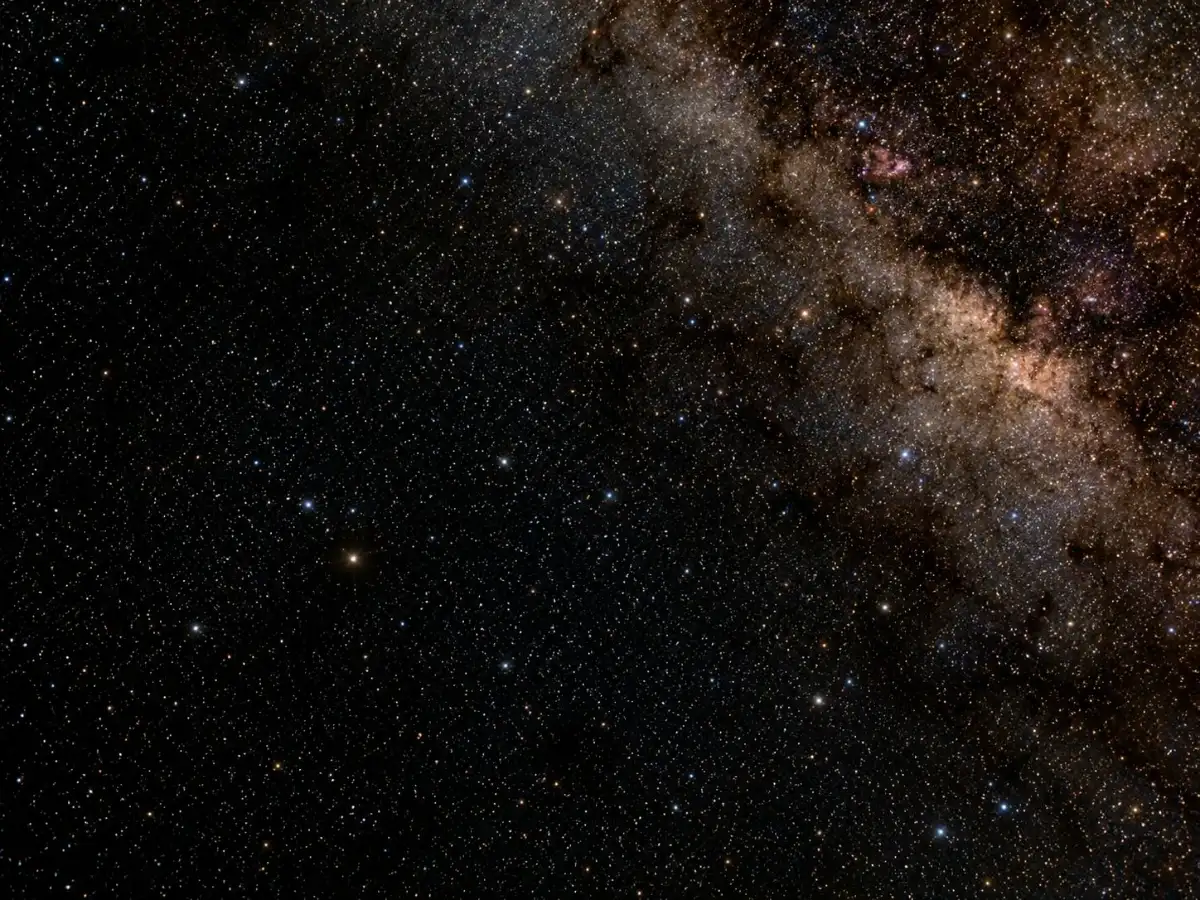
Someplace in the crowded middle of the Milky Way, a star has been fading. Not exploding, not vanishing in a single dramatic flash, but slowly, steadily dimming over years until it was roughly a hundred times fainter than when anyone started watching it. Not one of the major observatories flagged it first, but a swarm of ordinary people, peering at brightness graphs on their laptops.
That's the quiet reward of a citizen-science project called Variable Star Zoo, launched in 2018 by Chile's Millennium Institute of Astrophysics (MAS). According to the project's own accounts, more than 5,000 volunteers from the US, Europe, India, Brazil, Mexico and Canada entered over 860,000 star classifications in under two years, searching for oddities buried in a much larger database. One of those oddities was that fading star. Its nature remains unknown to astronomers.