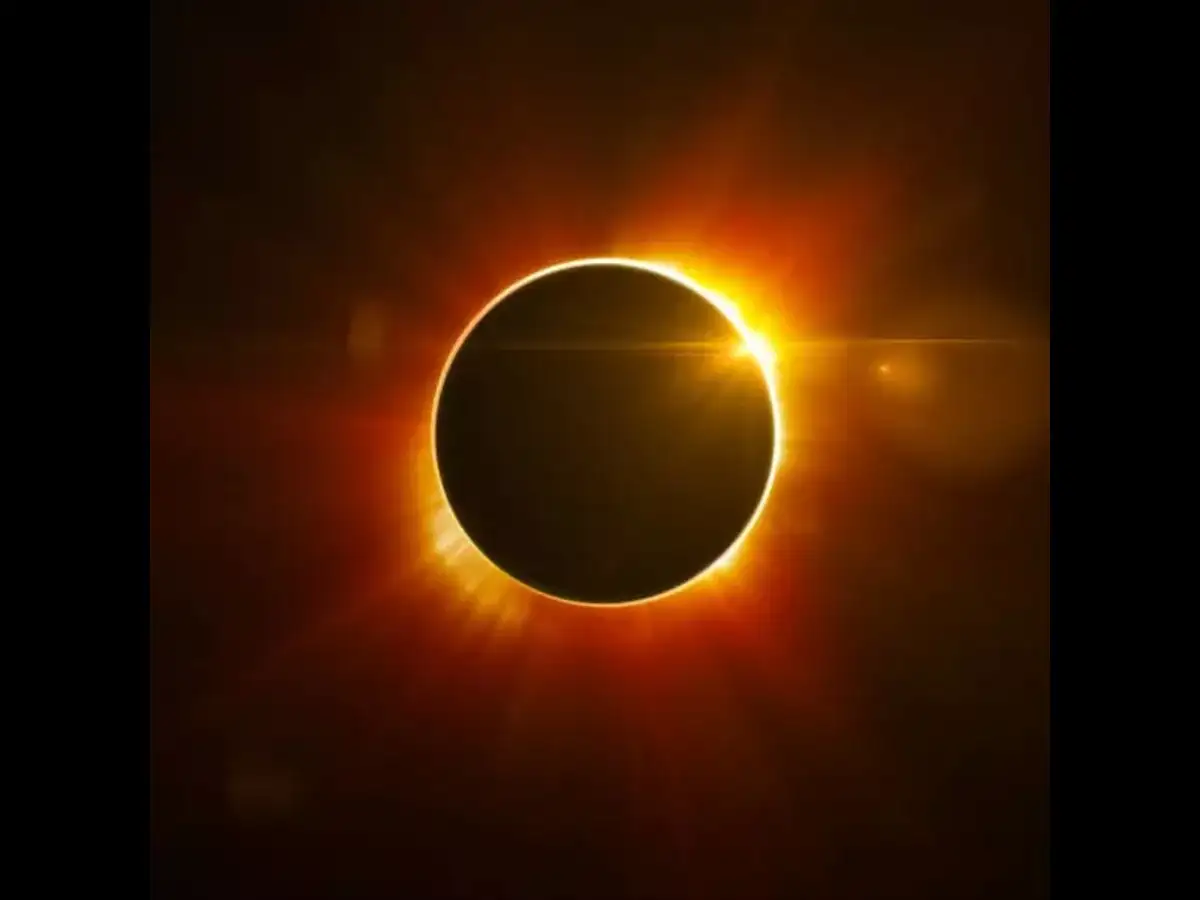
When daylight disappeared over Columbia, South Carolina, on August 21, 2017, the change lasted only a few minutes. But inside a local zoo, the brief darkness produced striking reactions across a range of animals. Giraffes suddenly ran, Galápagos tortoises began mating, gibbons produced unusual vocalizations and gorillas started their bedtime routines. Researchers observing 17 species found that 13 changed their behavior during the eclipse. The surprising part was not simply that the animals reacted. It was how they interpreted the sudden disappearance of daylight.
The findings were published in March 2020 in the peer-reviewed journal Animals by Adam Hartstone-Rose, Edwin Dickinson, Lisa M. Paciulli, Kaitlyn Leonard and colleagues at North Carolina State University, together with Ashley Deutsch of the University of Florida, Leon Tran of the University of Hawaii and Grace Jones of the University of South Carolina. The study was titled “Total Eclipse of the Zoo: Animal Behavior during a Total Solar Eclipse.”