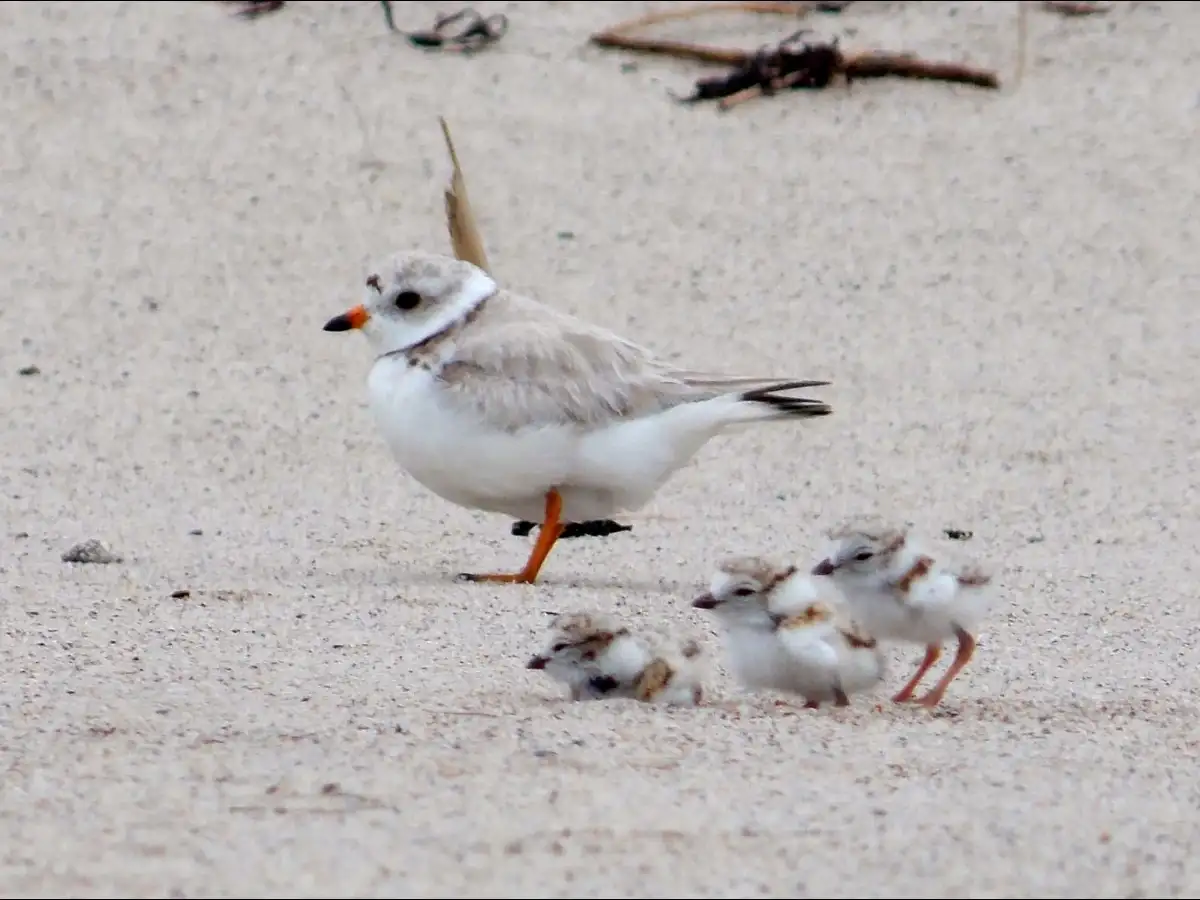
Somewhere along the marshy edge of Lake Michigan, in a stretch of water few Americans have ever heard about, a bird nearly lost to history is raising chicks again in the mud, specifically, land built up from sediment dredged out of a shipping channel. It's one of the few quietly triumphant conservation success stories the US has gotten in the last decade, and it starts, unassumingly, with muck. According to a 2016 report from the U.S. Army Corps of Engineers' newsletter, “The Corps Environment,” engineers had by 2015, one year into the sediment-placement phase that began in 2014, already deposited over 385,000 cubic yards of clean dredged material from the Green Bay Harbor channel onto the landmass known as Cat Island. The reward was swift: more than 30 species of Great Lakes shorebirds showed up and, that same summer, an endangered pair of piping plovers fledged three chicks: the first plover nesting in that bay in 75 years.
A landmass lost to erosion, then deliberately rebuilt