Get all your news in one place.
100's of premium titles.
One app.
Start reading
The Times of India
The Times of India
World
TOI World Desk

In 2015, a mine spill sent 3 million gallons of orange acidic wastewater into the San Juan River, and Diné farmers who grew ceremonial corn dropped from 13 to one

For the Diné, also called Navajos, the San Juan River is more than water flowing through an arid landscape. They believe the river is sacred kin, an organism whose health is intricately interwoven with Hózhó, a word meaning harmony, balance, and beauty. For many years, communities have lived along its banks, relying on its water to irrigate farms, feed livestock, and grow plants used in religious rites. These ancestral seeds, passed down from one generation to the next, need the river's water to germinate and thrive.

Get breaking news anytime, anywhere. Download the TOI app now!
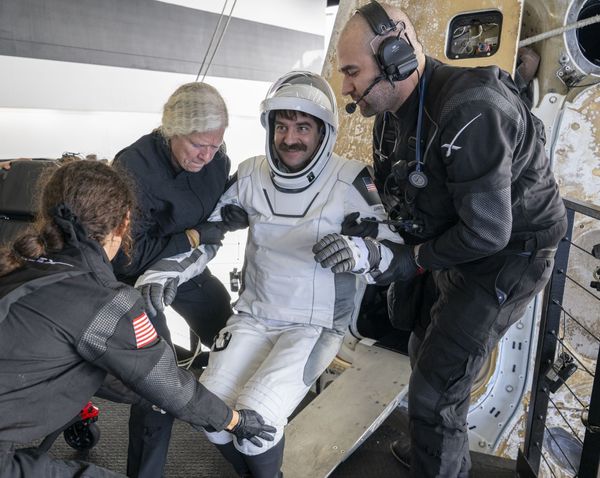
That changed on an August morning in 2015. Far upstream in Colorado, a government cleanup operation went wrong. Workers accidentally breached a wall of the inactive Gold King Mine, releasing three million gallons of acidic wastewater. The sludge, heavy with lead, arsenic, and other metals, rushed into the river system. Within days, the clean currents of the San Juan River were transformed into a thick, bright orange plume. This environmental disaster did more than pollute the water. It severed the profound, everyday connection between the Navajo people and their lifeblood, causing a quiet cultural crisis that continues to echo through their communities.

A key scientific study titled Impacts to Diné activities with the San Juan River after the Gold King Mine Spill , led by environmental health scientist Yoshira Ornelas Van Horne, examined the spill's effects on Diné communities. In addition to measuring chemicals in the river water, the scientists worked with Navajo community health organisations to assess the spill's impact on residents. By interviewing residents of three Navajo chapters, the study described how the spill affected Diné daily life.

The devastating gap in standard disaster response

Initially, federal agencies used a conventional Western risk-assessment model to respond to the Gold King Mine contamination. In this case, the risk was estimated using a standard model based on a simple recreational-use scenario. For example, the risk was estimated using a scenario in which a hiker or camper might drink the water near the river. However, this scenario missed how the Navajo actually interact with the environment. To the Diné community, the river is not merely a recreational site but an essential part of everyday life.

These activities included farming, gathering wild plants, making pottery, and performing sacred ceremonies. Following the toxic spill, local authorities had to warn farmers that the water was no longer safe for their crops and livestock. The warning had an immediate effect. The research team noted that, following the spill, participants reported that Diné activities associated with the San Juan River dropped by over fifty-six per cent. The spill caused both spiritual and agricultural losses. In certain farming areas along the river, the fear of contamination was so profound that the community of traditional growers who cultivated sacred white and blue corn for prayer dwindled rapidly. The group of thirteen local farmers who maintained the tradition was reduced to one remaining grower.

The drop reflected different responses to contamination concerns across communities. In some areas, irrigation channels reopened after a few weeks; in others, including the Shiprock Chapter, the gates stayed closed for a year to prevent heavy metals from contaminating the soil. As a result, farmers could not grow crops. The empty fields reflected the loss of trust.

The silent loss of intergenerational knowledge

The spill's impact went beyond the loss of a single crop season. For the Diné, farming helps pass culture, language, and family traditions from one generation to the next. With families no longer taking children to plant seeds or collect wild medicines along the riverbanks, an important part of their culture has been lost. The research found that river-related activities declined especially among adults, who tried to protect their children from possible contamination.

Even today, long after the orange sludge has cleared and the river has returned to its natural colour, the effects are still felt. Standard environmental tests may show that water quality has mostly recovered, but they cannot measure the loss of trust. Concerns that toxic metals remain trapped in riverbed sediment continue to discourage families from returning to traditional farming. For a community that strives to live in Hózhó, the ongoing separation from the river represents a deep imbalance.

This disaster shows that environmental justice requires rethinking how ecological damage is assessed. Environmental damage cannot be measured only by parts per million in water tests. Disaster response must also protect the spiritual and cultural ties Native communities have to the land. Recognising these ties is essential to helping the Navajo restore their land and revive traditional corn growing.

Sign up to read this article
Read news from 100's of titles, curated specifically for you.
Already a member? Sign in here
Related Stories
Top stories on inkl right now
One subscription that gives you access to news from hundreds of sites
Already a member? Sign in here
Our Picks
Fourteen days free
Download the app
One app. One membership.
100+ trusted global sources.