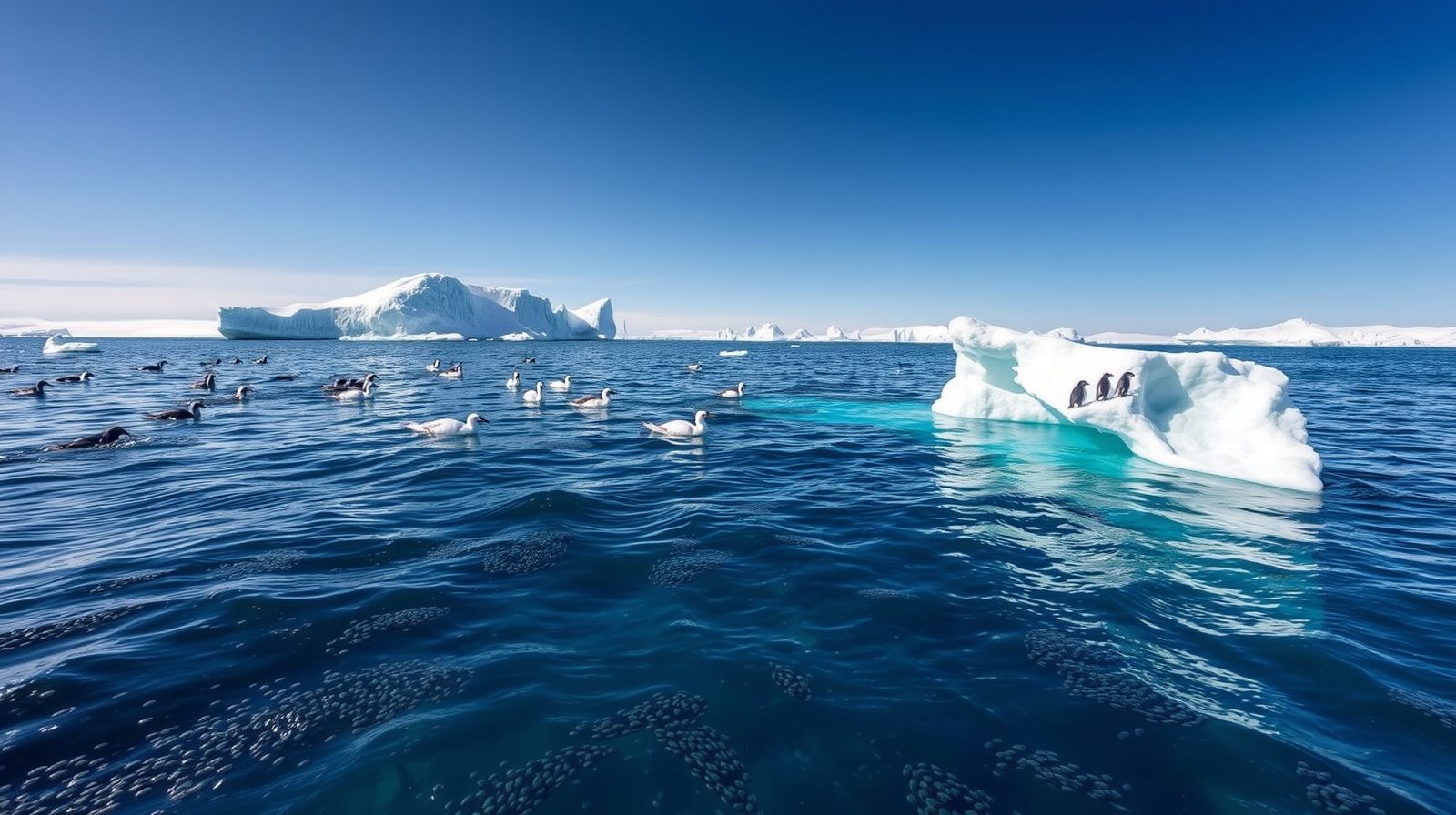
In February 2015, British endurance swimmer Lewis Pugh entered the freezing waters of Antarctica's Ross Sea wearing nothing but a pair of swimming trunks, completing a series of five short but record breaking swims in temperatures as low as minus 1.7 degrees Celsius. The swims were not simply a personal endurance challenge. Pugh, who serves as the United Nations Environment Programme's Patron of the Oceans, undertook them specifically to draw global attention to the Ross Sea and push world governments toward creating a marine protected area there. Almost two years later, in October 2016, that campaign culminated in the designation of the Ross Sea Region Marine Protected Area, a 1.55 million square kilometre zone that remains the largest protected area on Earth, on land or at sea. What makes this story unusual is the mechanism itself, a swim didn't change the science or the stakes, both were already well understood. It simply made a stalled negotiation impossible to keep ignoring quietly. The