Somewhere inside a lab in Russia in the spring of 2013, scientists prepared to unpack a space capsule only to be greeted with an unforeseen accident. Of all the creatures taken into space aboard the Russian satellite Bion-M1, all of the gerbils, all of the fish, and roughly half of the mice could not return alive. Those that survived seemingly untouched by their adventure were some common garden snails. According to a NASA Ames research report , the overall death rate for all animals involved was approximately 75 percent, while the snails and geckos involved in the mission emerged seemingly unscathed in the short term. It is quite a shocking revelation for us who have been brought up to expect only sleek and well-executed space flights undertaken by astronauts.
The Noah's ark that went badly wrong
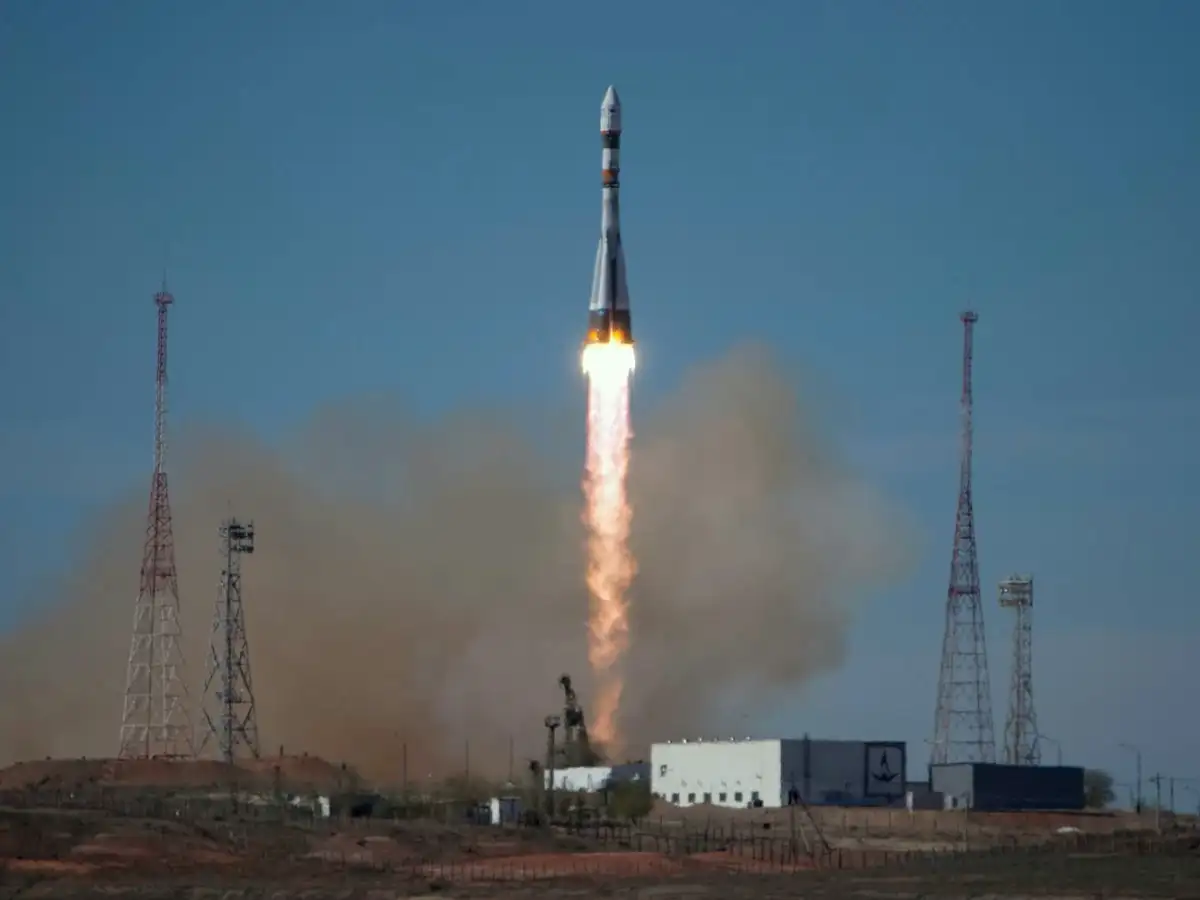
Bion-M1 was launched on April 19, 2013, from the Baikonur Cosmodrome in Kazakhstan with a Soyuz-2.1a rocket into a roughly 357-mile-high orbit, considerably higher than that of the International Space Station. Bion-M1 was a joint Russian and NASA biological research project that contained animals such as 45 mice, eight Mongolian gerbils, 15 geckos, a group of snails, fish, plants, and microorganisms in order to study their adaptation to microgravity and cosmic radiation. This was the longest mission of its kind for those animals.