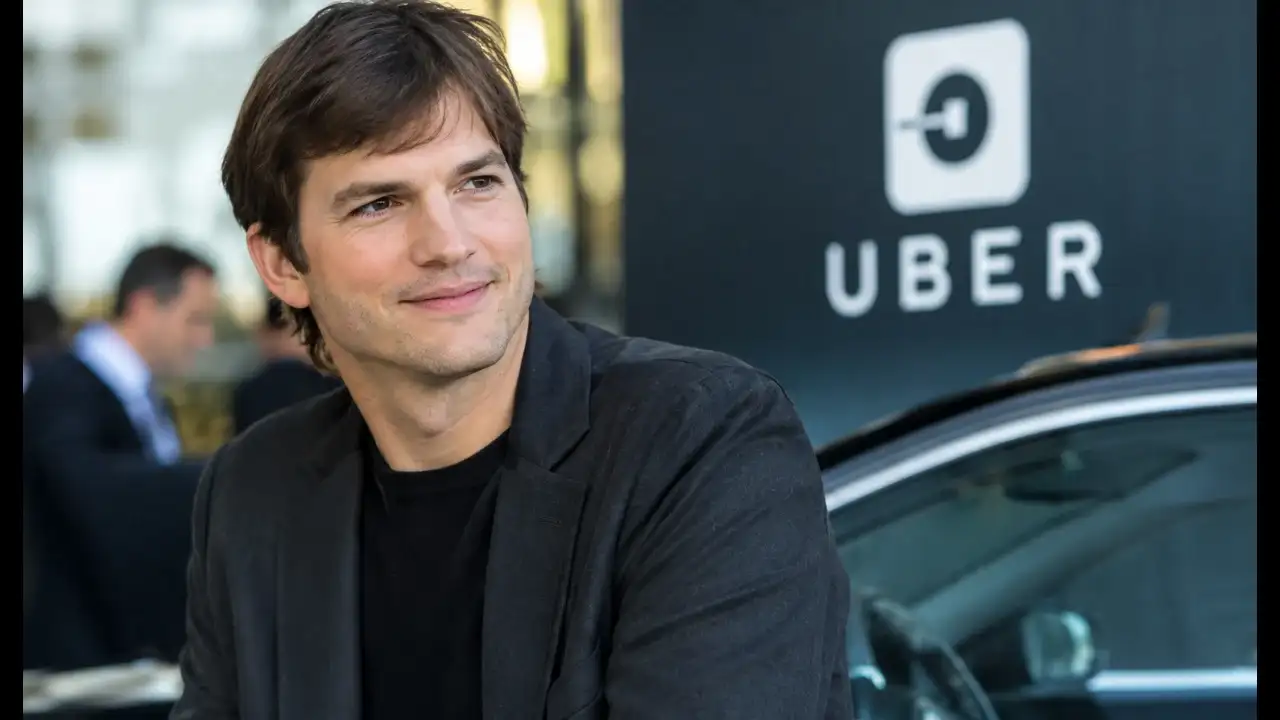
When Ashton Kutcher invested $500,000 in a young Uber back in 2011, few anticipated how completely the app would alter daily transport. Kutcher wrote the check through A-Grade Investments, backing the startup alongside venture firm Benchmark when Uber was valued around $60 million. Within five years, as ride-hailing swept through global cities, his initial stake surpassed $60 million. The 120-fold return stood out as a landmark win for early-stage tech investing.
What separated Kutcher from conventional celebrity investors was his focus on practical utility and consumer reach. He sought founders who built software to remove ordinary friction from people's daily routines. Rather than offering passive capital, he brought serious distribution power, using his pioneering social media presence to generate immediate trust and awareness. The bet proved that sharp cultural instincts could compete directly with traditional Silicon Valley venture capital.