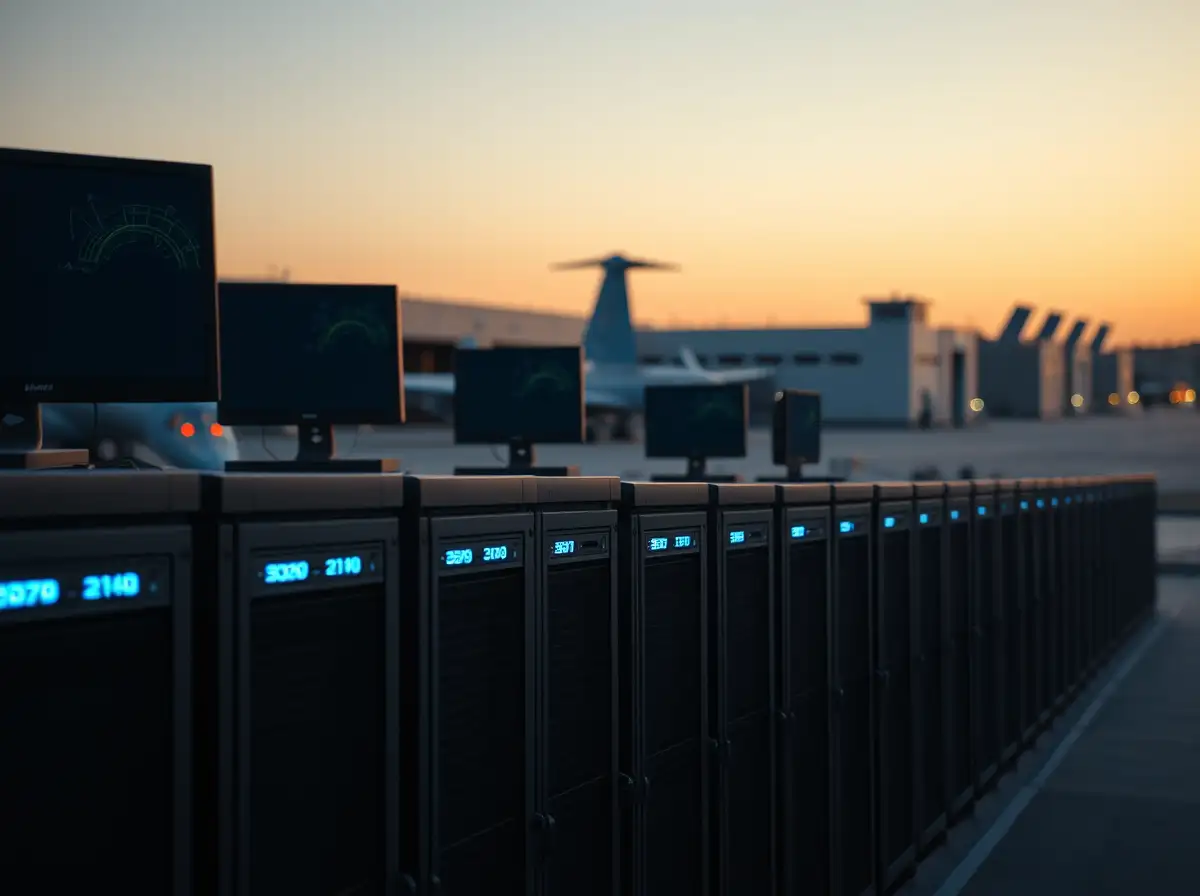
In 2009, the U.S. Air Force launched a large-scale computer power-management initiative that showed how a simple change in workplace technology habits could produce major energy and financial benefits. With approximately 525,000 computers in use, the Air Force worked to activate power-management features and expand the use of ENERGY STAR-qualified computers and monitors. The program targeted $15 million in annual savings through a combination of more efficient computer purchasing and automatic power controls. The effort stands out because it addressed an often-overlooked source of energy consumption: computers that remain powered on even when employees are away from their desks.
The Air Force's approach focused on putting computers into lower-power states when they were not being actively used. Under the settings being implemented at the time, monitors could enter sleep mode after 10 minutes of inactivity, while computers could enter a low-power state after 30 minutes. Instead of allowing thousands of machines to consume electricity continuously throughout the workday or after employees left for the evening, automated controls reduced unnecessary power use. The strategy reflected an important principle of energy efficiency: reducing consumption does not always require replacing equipment; sometimes it requires making better use of technology already in place.