
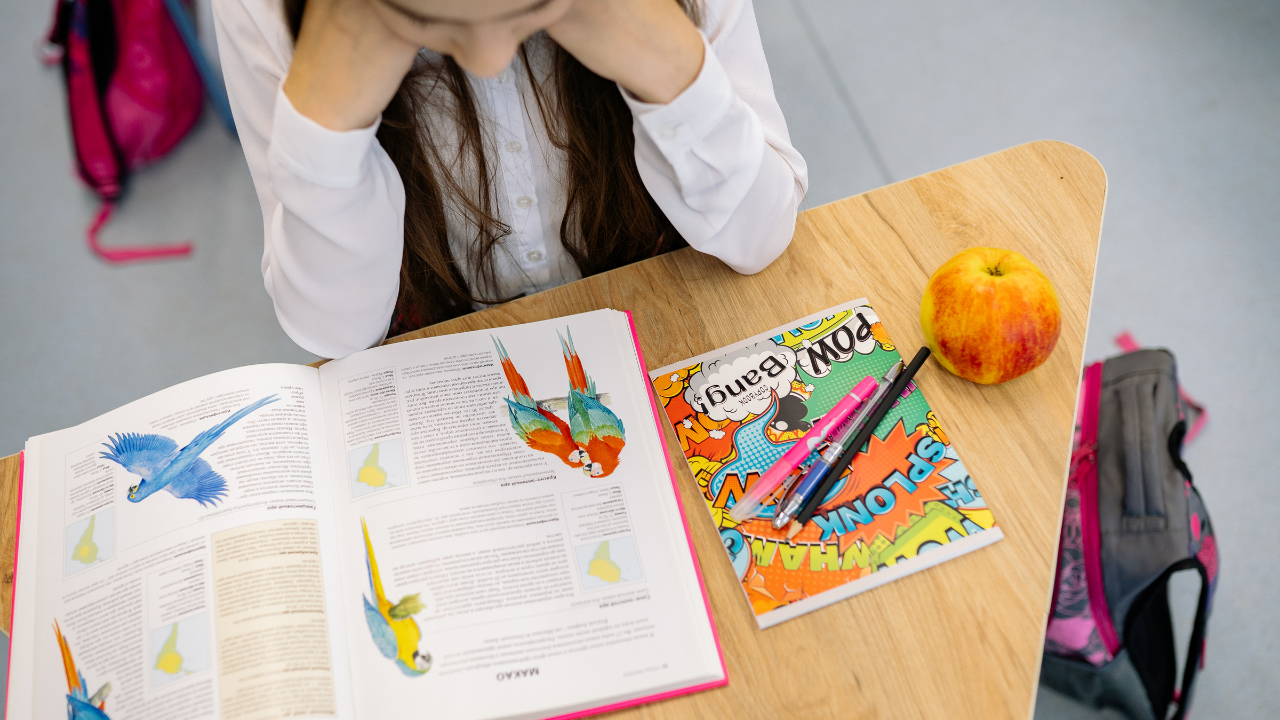
But then, in the year 2009, a bold step was undertaken by schools in Sweden. They decided to replace books with laptops, tablets, and digital learning tools. They attempted to create a modern learning platform with a touch of modernity and a sense of being tech-savvy. It was a simple idea. They attempted to prepare children for a digital world with tools that would be able to adapt quickly. They simply distributed gadgets instead of books. And then, schools were flooded with gadgets. It was as if the future was already there.
But then, in the year 2026, a gap of 15 years, things have changed completely. The government of Sweden is planning to invest £100 million in providing physical books to students in core subjects. What has forced this drastic change in the decisions of schools in Sweden? What has forced this drastic change in the decisions of schools in Sweden? According to Schools Minister Lotta Edholm, “The best conditions for developing basic reading and writing skills are in analogue environments and using analogue tools.” Scientific studies have proved this to be true. PISA results reveal that Sweden's reading scores dropped sharply after the switch, hitting lows by 2012. This isn't just nostalgia; it's a data-driven pivot to fix what went wrong.













