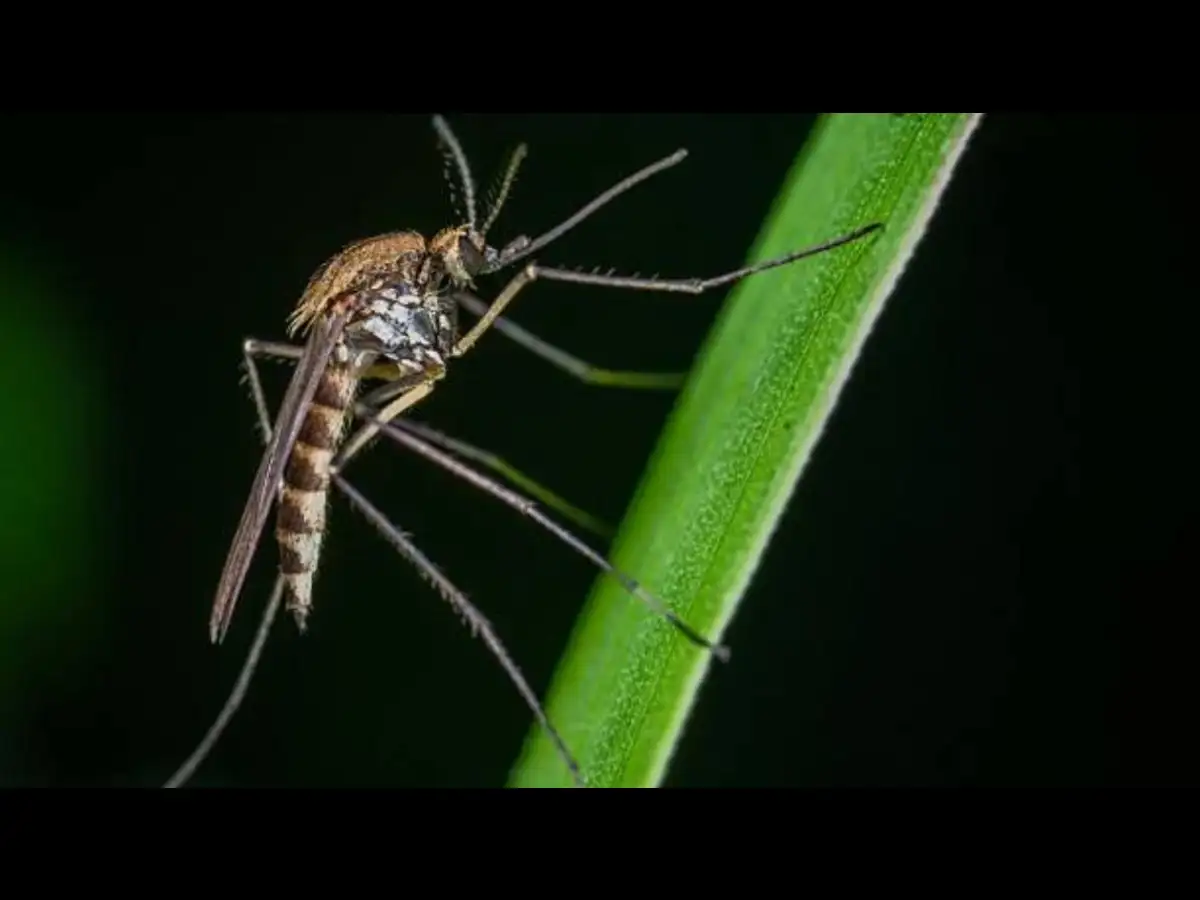
A laboratory colony of dengue-spreading mosquitoes in Delhi has given researchers a reason to look more closely at insecticide resistance. The insecticide α-cypermethrin killed 97.91% of adult female Aedes aegypti at the study’s diagnostic dose. That is an extremely high kill rate, but it sits just below the 98% threshold used to classify the mosquitoes as fully susceptible.
The finding does not mean the insecticide has stopped working. Instead, researchers say the small survival gap and the mosquitoes’ strong detoxification response could be an early warning worth watching. The research was published in the journal Frontiers in Tropical Diseases.