Get all your news in one place.
100's of premium titles.
One app.
Start reading
The Economic Times
The Economic Times
Team Global

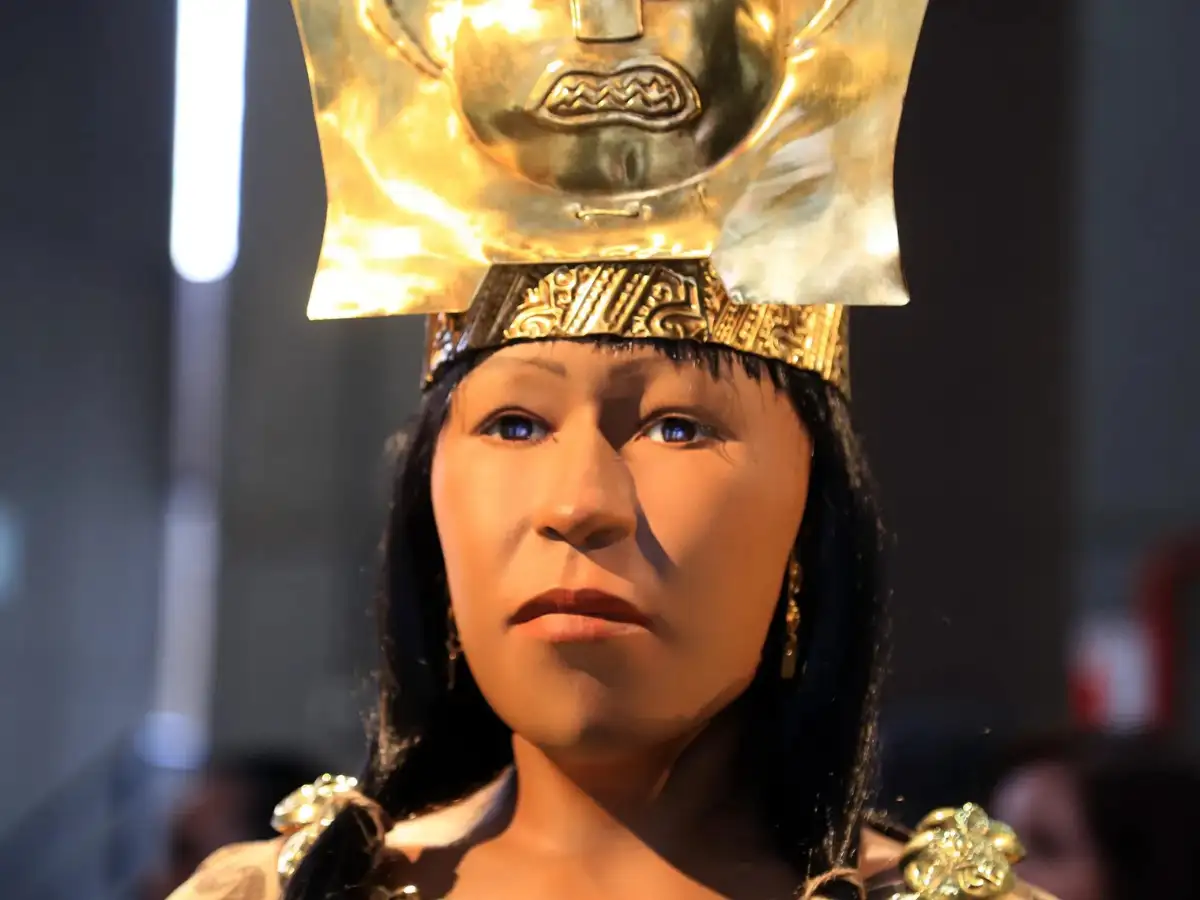
In 2006, archaeologists unsealed a Peruvian tomb and found a tattooed woman buried with war clubs and gold crowns, revealing a powerful woman from a lost civilization

In 2006, archaeologists opening the seal on a burial chamber at El Brujo, a site on Peru’s northern coast, were unprepared for what they found. There was a woman within. She was about twenty-five, tattooed from head to toe, and wrapped in layers of cloth. Gold headdresses and ceremonial weapons surrounded her, along with over a hundred metal ornaments, nose pieces, earspools and gleaming face decorations that would have made her look almost otherworldly when she was alive. This was the Lady of Cao, and she changed everything.

A burial that did not fit the script
For much of history, the assumption about ancient civilizations has been simple: men ruled. They fought, they did the rituals, they had the big funerals. Women, if they appeared at all in the tombs, were usually assumed to be victims of sacrifice, accompanying some great man into the next world.

That story was not for the Lady of Cao. Her tomb was not a side-chamber, not a secondary grave. It was the main event. The war clubs, the spear throwers, buried with her, were not for show. They were real symbols of power. And so the diadems and crowns. Bioanthropological analysis confirmed that she was definitely female. And she was laid to rest like a queen, for she probably was one.

Sign up to read this article
Read news from 100's of titles, curated specifically for you.
Already a member? Sign in here
Related Stories
Top stories on inkl right now
One subscription that gives you access to news from hundreds of sites
Already a member? Sign in here
Our Picks
Fourteen days free
Download the app
One app. One membership.
100+ trusted global sources.